
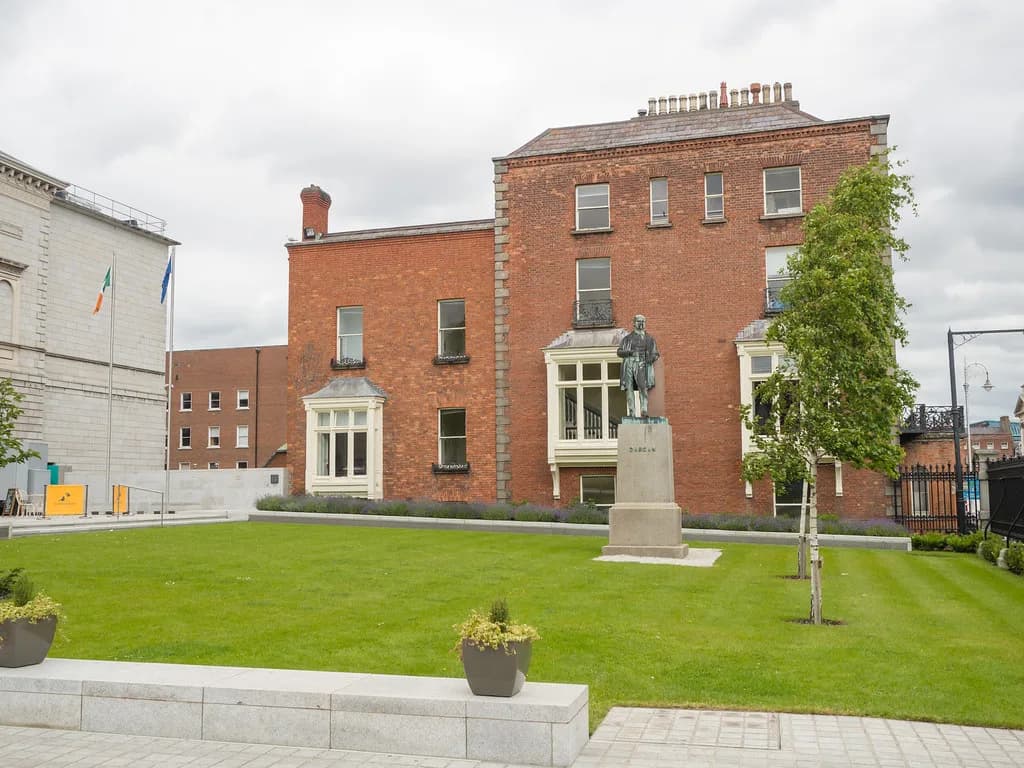
Jack B. Yeats in Ireland: Where to See His Work and Story
Jack B. Yeats, London-born in 1871 but shaped by Sligo, can be traced through two Irish institutions: the National Gallery of Ireland and The Model in Sligo.
On this page
Jack B. Yeats can be approached in Ireland through two institutions rather than a scattered trail of childhood sites: the National Gallery of Ireland in Dublin, which holds his personal archive, and The Model in Sligo, home of the Niland Collection. Neither building promises a particular Yeats canvas on any given day, so the honest planning question is what each place documents and how you use it. This guide covers his biography, his style, his writing and the practicalities of visiting.
Yeats was born in London on 29 August 1871, the youngest child of the painter John Butler Yeats and Susan Yeats, and his early years moved between London, Dublin and Sligo. That London birth matters: he was not Sligo-born, however often his western childhood is compressed into a single sentence. A visitor who understands the sequence of his moves reads both institutions more sharply.
Sligo as His Spiritual Home
The Gallery's profile records that from 1879 to 1887 Yeats lived in Sligo with his maternal grandparents, roughly the years between eight and sixteen. That stretch did not simply supply landscape subjects; it supplied the visual grammar of horses, ships and coastal life that recurs across his work. Travel writers often call Sligo his birthplace, which is wrong, and correcting it makes the formative years more interesting rather than less.
Yeats himself was explicit about the debt. In an archival interview recorded in London in 1947 and broadcast the following year, presented in The Model's podcast transcript, he described Sligo as his jumping-off place and spiritual home and the foundation of everything he painted. He also recalled spending at least two months each year in the west of Ireland after his art-student years in London. That makes a Sligo museum stop a way of testing his own claim against his work, not just a sentimental detour.
The Model, Sligo and the Niland Collection
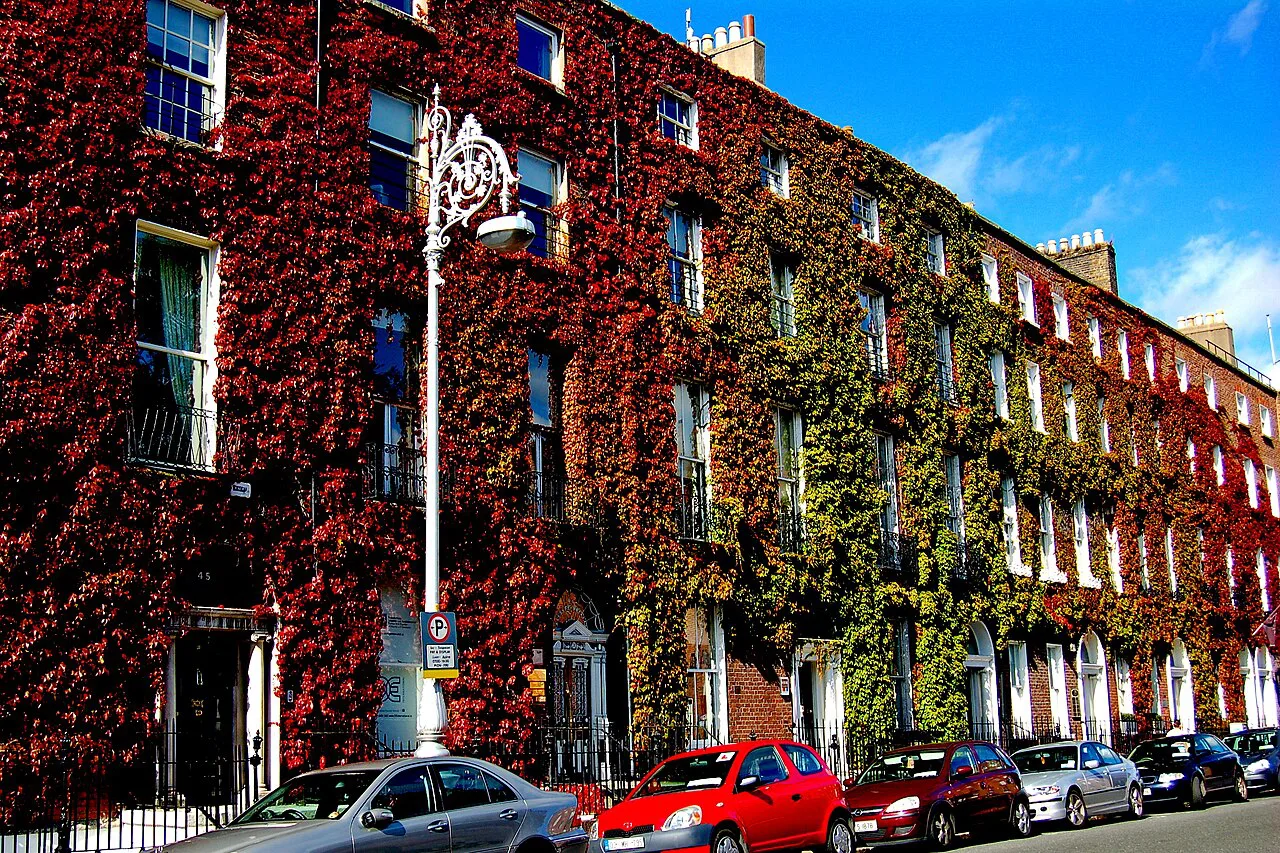
The Model sits on The Mall in Sligo and identifies itself as the home of the Niland Collection. It is reachable by telephone on +353 (0)71 914 1405, and that published line is the reliable way to ask whether any Yeats material is on view during your dates. The Sligo connection is cultural and institutional, not a promise that canvases are hanging. Check before you build a day around it.
For a museum that voices its own collection, the six-part Encounters with Jack B. Yeats series is the practical entry point: it pairs conversation, music and a ghost story with his writings and paintings. If you are preparing a visit rather than standing in a gallery, listen before you go and use the episodes to sharpen what you look for. Treat the format as interpretation, since the transcript presents encounter and reflection rather than a hanging list.
A Life in Motion: London, Greystones and Fitzwilliam Square
Yeats trained at the South Kensington and Chiswick schools of art in London, where he met his future wife, the fellow student Mary Cottenham White; they married in Surrey in 1894 and settled at Strete in Devon in 1897. The couple moved to Ireland in 1910, living at Greystones in County Wicklow until 1917, then at 61 Marlborough Road in Donnybrook, and finally from 1929 at 18 Fitzwilliam Square in Dublin. That last address places his mature working life within walking distance of the Gallery that now holds his archive.
If you are tracing Irish painters across the city, the wider context of who worked here and when helps. Our guide to irish artists sets Yeats beside contemporaries rather than in isolation, which is useful when a single room of a collection has to carry a whole career. His near-contemporary William Orpen in Ireland offers a parallel case of an Irish painter whose reputation and output repay a separate look.
From Illustrator to Painter of Light and Colour
Yeats began in the 1890s as a black-and-white journalistic illustrator and designer, held his first watercolour exhibition in London in 1897, and only turned seriously to oils after the move to Ireland in 1910. His early oils keep the realist bent of the graphic work, concentrating on rural and urban scenes. Then, in the later 1920s, the style changes radically: larger canvases, experimental colour, and subject matter that turns obscure while staying figurative.
The Gallery's self-guided Irish art tour gives a vocabulary for that shift, describing how Yeats used expressionist techniques such as fast brushwork, colour and light to communicate feeling rather than record appearances, and noting his literary influences and romantic lyricism. Standing in front of a late painting, look for where the speed of the paint becomes the subject, then ask what emotion the colour is doing. That is a reading exercise you can apply to any late Yeats you find on display.
The Story Inside One Painting
The same tour uses a clear example of Yeats's literary habit. It describes a painting of a fictional young man torn between the woman he loves, his fiancée, and his wild lifestyle, about to write a letter admitting he has returned to drinking and gambling. The tale comes from a collection of poems called The Fancy by Peter Corcoran, the pseudonym of John Hamilton Reynolds, and in the story the young man dies soon after, penniless and alone. Knowing this separates narrative from biography, a distinction quick summaries routinely blur.
Beyond the Easel: Books, Plays and Illustration
Painting was only part of the output. The Gallery records that Yeats illustrated J.M. Synge's book The Aran Islands in 1907, published plays for a miniature theatre, wrote a collection of short stories for children, and produced several plays and novels through the 1930s and 1940s. For a visitor, that breadth explains why his paintings so often feel staged or narrated. It also broadens what counts as Yeats material in a library or archive visit.
The Archive and the Cuala Connection
The National Gallery of Ireland holds Yeats's personal archive, including sketchbooks that document over fifty years of his career. The same holding contains material on Mary Cottenham Yeats's contribution to Cuala Industries, established by Susan Mary and Elizabeth Corbet Yeats in 1908. Archives are generally consulted differently from gallery displays, so ask the institution how to access the material before planning around it.
Visiting the National Gallery of Ireland
Opening hours are published by day: Monday 11am to 5.30pm, Tuesday and Wednesday 9.15am to 5.30pm, Thursday 9.15am to 8.30pm, Friday and Saturday 9.15am to 5.30pm, and Sunday 11am to 5.30pm. Closing begins at 4.50pm daily, or 7.50pm on Thursdays, and entry to the galleries stops fifteen minutes before closing. The Gallery is closed from 24 to 26 December and on Good Friday, and opens 11am to 5.30pm on 1 January.
Admission to the permanent collection is free, while some temporary exhibitions carry a charge and are free to members. Short-notice closures are possible, including for industrial action, and the Gallery advises checking its channels before travelling. Thursday evening is the obvious choice if you want a long visit without sacrificing a daytime slot; a Monday visit will feel shorter.
Pairing Dublin and Sligo Honestly
A sensible pairing treats the two stops differently. In Dublin, use the Gallery's biography, archive and self-guided tour as the core of a study visit, and check what temporary exhibitions are running given that charges may apply. In Sligo, use The Model's identity as home of the Niland Collection and its podcast series to ground the western connection. For the Dublin half of that plan, the National Gallery of Ireland: A Visitor's Guide to the Dublin Collection sets out the visit practicalities. Neither source confirms which specific Yeats works hang where, so let the institutions answer that question.
If your trip already leans towards landscape and place, our guide to irish landscape paintings helps frame why coastal and western subjects recur in Irish art of this period. It is context, not a checklist of Yeats sites, since no public access to his Sligo childhood homes or studios is documented.
What to See Where
Treat the National Gallery of Ireland as the documentary centre: the archive and sketchbooks, the biography, and a self-guided tour that explains his expressionist methods and literary sources. It is the place to learn how to look. Its published hours, free permanent collection and possible temporary charges make a long Thursday visit the most flexible option.
Treat The Model in Sligo as the western anchor, approached through its Niland Collection identity and the Encounters podcast, and phone ahead rather than assume paintings are hanging. Together the two stops let you meet the artist's own account of Sligo, his working methods and his writing without overclaiming what any display holds on the day. For a wider choice of collection visits, compare museums in Ireland. For another heritage guide, read about Harry Clarke Stained Glass.
Explore more Ireland guides
Frequently Asked Questions
Where can I see Jack B. Yeats's work in Ireland?
The two documented institutions are the National Gallery of Ireland in Dublin, which holds his personal archive and a self-guided Irish art tour discussing his methods and literary sources, and The Model in Sligo, home of the Niland Collection. Neither institution publishes, in the sources available, a guaranteed list of Yeats works on display, so contact each directly before travelling and ask what is currently shown.
Was Jack B. Yeats born in Sligo?
No. He was born in London on 29 August 1871, the youngest child of the painter John Butler Yeats and Susan Yeats. He lived in Sligo with his maternal grandparents from 1879 to 1887, roughly ages eight to sixteen, and that period shaped his painting deeply. The confusion arises because Sligo features so prominently in his subject matter and in his own reminiscences.
Why is Sligo important to Jack B. Yeats's painting?
In an archival interview recorded in 1947 and broadcast in 1948, presented in The Model's podcast transcript, Yeats called Sligo his jumping-off place and spiritual home and the foundation of everything he painted. The Gallery's profile confirms the Sligo childhood years of 1879 to 1887 and the recurring rural and coastal subject matter. For a visitor, that makes Sligo a place to understand his imagery rather than to trace specific childhood buildings.
What does the National Gallery of Ireland hold relating to Jack B. Yeats?
The Gallery holds his personal archive, including sketchbooks documenting over fifty years of his career, plus material on Mary Cottenham Yeats's contribution to Cuala Industries. Its self-guided Irish art tour also discusses his expressionist techniques and the literary sources behind one painting. Ask the institution how to consult archival material, since archives are usually handled differently from gallery displays.
Is entry to the National Gallery of Ireland free?
Admission to the permanent collection is free, and some temporary exhibitions carry a charge while remaining free for members. Published hours run 9.15am to 5.30pm Tuesday to Saturday, 11am to 5.30pm on Monday and Sunday, and until 8.30pm on Thursday, with the Gallery beginning to close before the stated time. Check the Gallery's own channels before travelling because short-notice closures are possible.
What is the Niland Collection and where is it?
The Niland Collection is the collection of The Model in Sligo, which presents itself as its home and produces the Encounters with Jack B. Yeats podcast. The museum is on The Mall in Sligo. The sources available establish the institution's identity and its Yeats-related programming but not a list of works on view, so phone the museum to ask what is currently displayed.
How did Jack B. Yeats's style change over his career?
He began as a black-and-white journalistic illustrator in the 1890s, moved into watercolours, and turned to oils after settling in Ireland in 1910, initially keeping a realist approach to rural and urban scenes. In the later 1920s his style changed radically, with larger canvases and more experimental colour, and later subjects became more obscure while remaining figurative. Look for fast brushwork and colour used to convey feeling.
Did Jack B. Yeats write as well as paint?
Yes. Alongside painting he illustrated J.M. Synge's The Aran Islands in 1907, published plays for a miniature theatre, wrote a collection of short stories for children, and produced several plays and novels during the 1930s and 1940s. That literary habit helps explain the narrative quality of many paintings and gives readers a second route into his imagination.
Sources
You might also like



Continue reading
More guides you'll find useful




