
William Orpen: Seeing His Work in Dublin's National Gallery
William Orpen's Young Ireland hangs in Room 16 at the National Gallery of Ireland. Learn the portrait's story, his Dublin students and how to plan a visit.
On this page
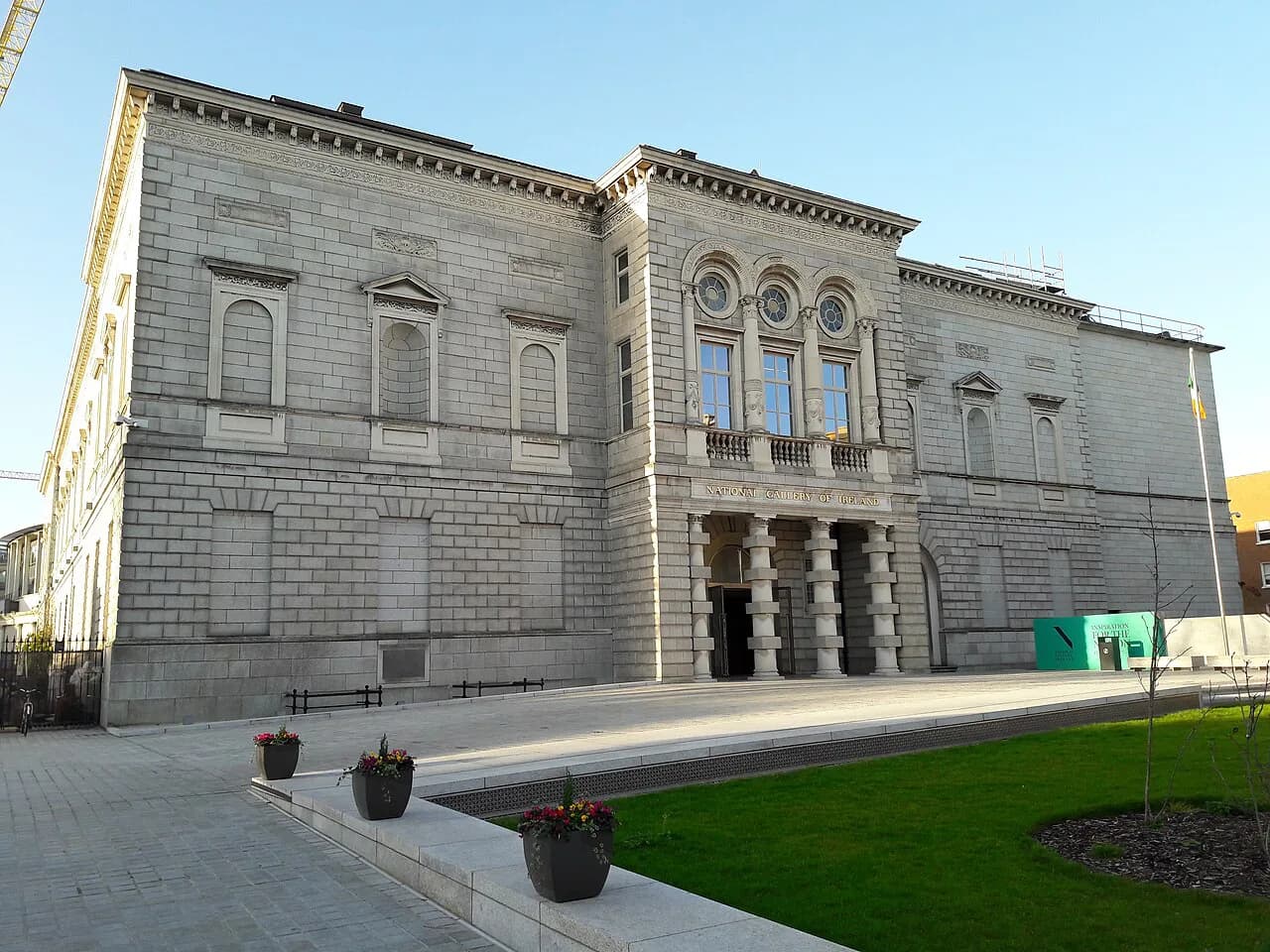
William Orpen (1878-1931) is described by the National Gallery of Ireland as one of Ireland's most accomplished and recognised artists, and the most direct way to encounter his work is to see Young Ireland (1907), the portrait the Gallery announced as on display in Room 16 after its acquisition. That single canvas rewards slower looking: it is a portrait, a statement about Irish cultural confidence at the start of the twentieth century, and a record of a friendship between painter and pupil.
Orpen's story runs from the Metropolitan School of Art in Dublin to the Slade School of Art in London and on to a fashionable portrait practice, with a wartime interlude as an official war artist. His influence in Ireland is best traced through the students he taught, including Grace Gifford, Margaret Clarke and Seán Keating. For wider context on painters working in Ireland around the same period, the Irish artists collection offers a useful overview.
Orpen's Career in Brief
Orpen studied at the Metropolitan School of Art in Dublin before moving to the Slade School of Art in London, where his teachers included Henry Tonks and Philip Wilson Steer. He built a reputation quickly as a sought-after society portraitist, and portrait commissions remained central to his output throughout his career. A useful counterpart is Jack B. Yeats in Ireland, whose record shows how differently Irish artistic careers could develop in the same decades.
Three dated markers anchor Orpen's later career. He was appointed an official war artist in 1917 and travelled to the Western Front, an experience the Gallery describes as having a lasting traumatic effect. He was knighted in 1918 and elected a member of the Royal Academy the following year. He became the official painter of the Paris Peace Conference after the First World War, and he died in 1931, buried at Putney Cemetery in London.
Young Ireland (1907): The Portrait in Room 16
Young Ireland is a portrait of Grace Evelyn Gifford, whom the Gallery describes as the personification of the growing confidence in Irish cultural identity that emerged at the beginning of the twentieth century. At the time Orpen painted it, there was an established tradition among poets, writers and visual artists of personifying the nation. In the portrait Gifford's red hair is barely tamed by a black bow at the nape of her neck, and with her arms crossed she reads as alert and elegant rather than posed with theatrical props.
The painting is in Ireland's national collection because it was bequeathed to the Gallery by Mary and Alan Hobart in 2025. The acquisition release states that the work is now on display for visitors in Room 16; that display statement is specific to this painting and should not be taken as a promise that other Orpen works are hanging alongside it. Before travelling, check the Gallery's current room information rather than assuming the hang is permanent. If Orpen leaves you wanting more of the permanent collection, the National Gallery of Ireland: A Visitor's Guide to the Dublin Collection explains what else to look for. For a broader sense of what hangs in Irish collections, the guide to art museums in Ireland is a useful planning companion.
Grace Gifford Beyond the Canvas
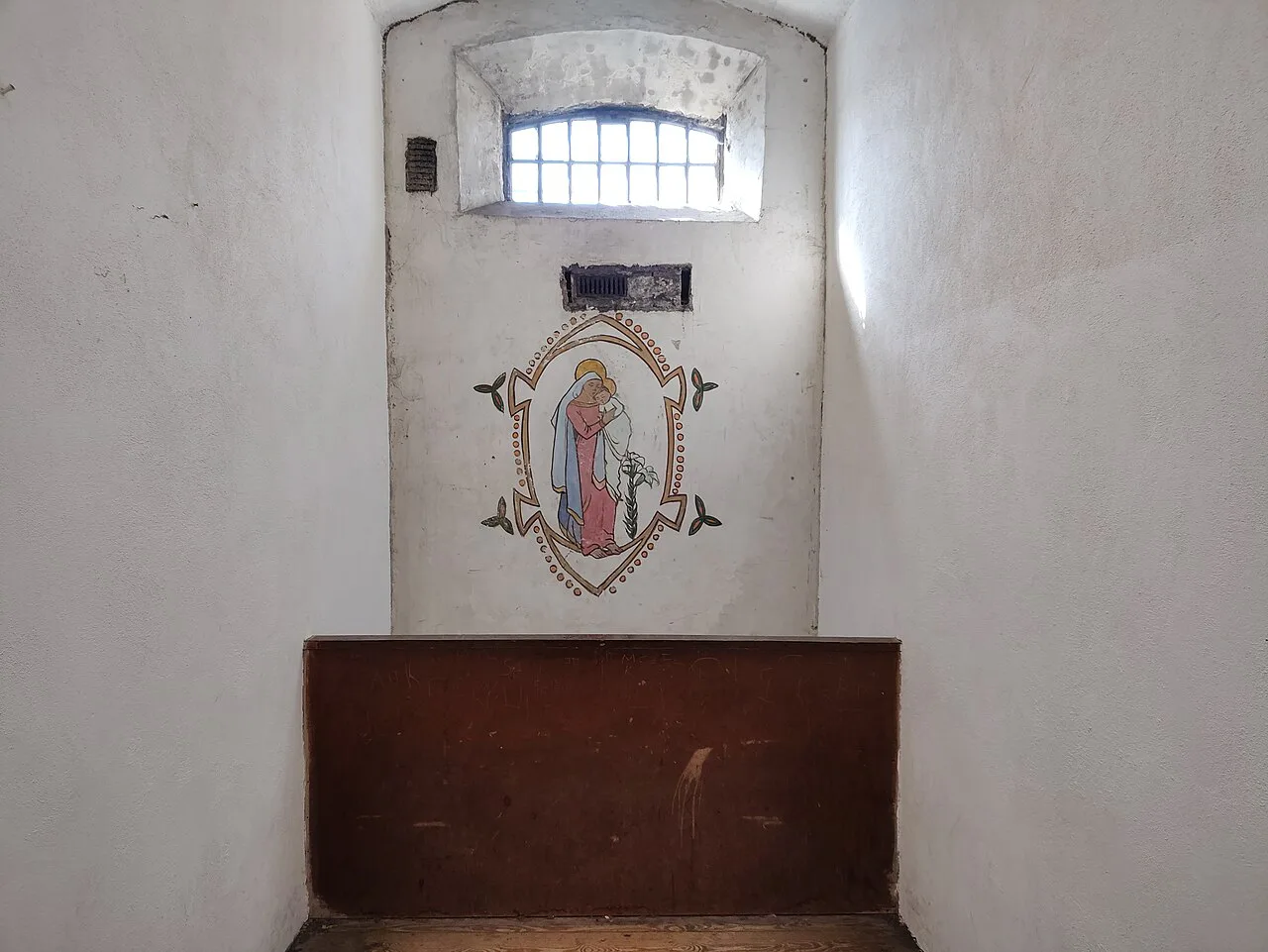
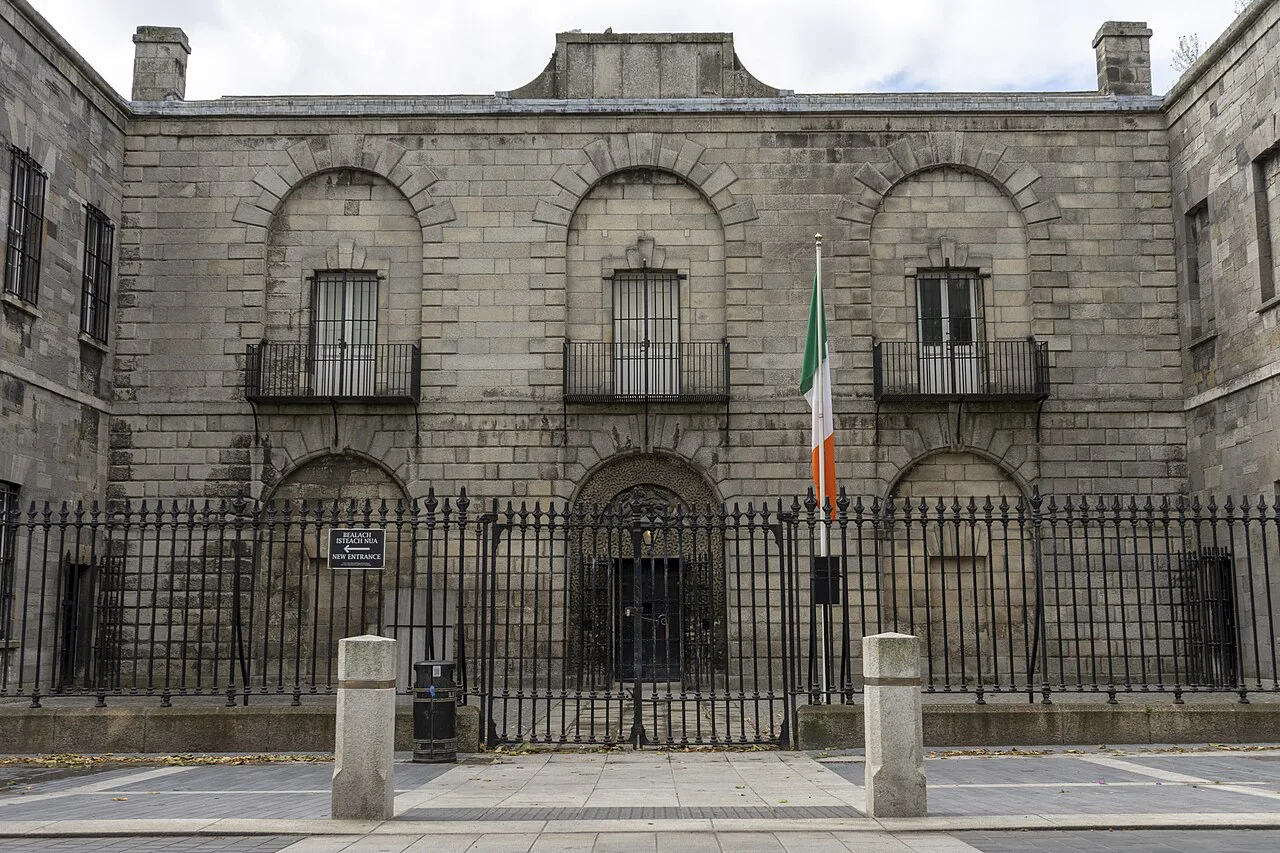
Gifford was born in Dublin in 1888 and enrolled at the Dublin Metropolitan School of Art at sixteen, studying there from 1904 to 1907 under Orpen, who considered her one of his most talented pupils. She was also a cartoonist, caricaturist, illustrator and political activist, and a grand-niece of Frederic William Burton. Her later life gives the portrait a weight that is easy to miss in a single gallery room: she was a sister-in-law of Thomas MacDonagh, one of the leaders of the Easter Rising, and she married Joseph Mary Plunkett in Kilmainham Gaol just hours before his execution.
Gifford stayed politically active after 1916, joining the Sinn Féin executive in 1917 and serving time in Kilmainham during the Civil War. Orpen's portrait, the Gallery notes, is perceptive in anticipating the social and political changes that would transform Ireland over the following two decades. Reading that biography beside the painting turns a society portrait into a document of a period when cultural and political nationalism were closely intertwined.
Orpen as a Teacher in Dublin
Orpen taught at the Metropolitan School of Art, where the Gallery says he exercised a profound influence over his students and revolutionised art teaching, in particular by introducing nude models to his life drawing classes. He invested time in his hardest-working pupils, and the artists who trained with him included Margaret Clarke (1884-1961), Seán Keating (1889-1977) and Grace Gifford. That teaching legacy is the strongest reason to treat Orpen as an Irish artist rather than only a London portraitist with Irish origins.
For a visitor, the names matter because they lead outward from a single canvas. The Gallery names Clarke and Keating among the artists who trained with Orpen at the Metropolitan School of Art, so setting a later painting by either against his classroom helps the connections across a collection come into focus. An overview of Irish landscape paintings is helpful if you want to compare how other artists of the period handled subject matter far from portraiture. The painter John Lavery, a near-contemporary whose career also crossed Britain and Ireland, offers another useful point of comparison.
Orpen's Self-Portraits as a Drawing Subject
The Gallery's drawing resources highlight a 1909 ink self-portrait in which Orpen kept the face detailed and expressive while rendering the rest of the body in loose scribbles and cross-hatching. He returned repeatedly to the same pose, body angled toward the left edge of the picture and face turned toward the viewer, a pose also seen in an oil self-portrait of the same year. The Gallery points readers to its online collection record for more information on the drawing, but the drawing page does not indicate that either work is currently hanging in the galleries.
That page turns the self-portrait into a practical exercise: sketch a fast one-minute scribble portrait in a mirror, then spend five minutes on a more careful study of expression and mood. Approaching a gallery visit with that exercise in mind changes how you look at Orpen's finished portraits, because you notice how much information he can carry with a few decisive lines.
Planning the Gallery Visit
The Gallery's published hours are Monday 11am to 5.30pm, Tuesday and Wednesday 9.15am to 5.30pm, Thursday 9.15am to 8.30pm, Friday and Saturday 9.15am to 5.30pm, and Sunday 11am to 5.30pm. Closing begins at 4.50pm daily and 7.50pm on Thursdays, starting with the upper floors, and entry to the galleries stops fifteen minutes before closing time. Because hours are subject to change and the Gallery has warned of possible short-notice closures, check the opening-hours page before setting out.
Admission to the permanent collection is free, while some temporary exhibitions carry a charge and are free for members. The Gallery is closed from 24 to 26 December inclusive and on Good Friday, and opens from 11am to 5.30pm on 1 January. If you plan a Thursday evening, arrive early enough to reach Room 16 before the upper floors begin closing. A final check of the Gallery's own visitor information is wise on the day, since displays and access can shift.
Making the Most of an Orpen Visit
Treat Room 16 as a starting point rather than a complete Orpen survey. The painting announced there gives you a fixed, dated work to study, while the rest of the collection rewards looking for Orpen's pupils and contemporaries. If your interests run to other Irish artists, the guide to Ireland art galleries helps you plan a wider circuit rather than a single stop.
The most reliable approach is to confirm the current display of Young Ireland, the day's opening hours and any short-notice disruption directly with the National Gallery of Ireland before travelling. Everything else, including the portrait's subject and the biography behind it, is set out above so that your gallery time can go into looking rather than catching up. For further reading, see the guide to Mary Swanzy or the guide to Harry Clarke Stained Glass.
Explore more Ireland guides
Frequently Asked Questions
Can you see William Orpen's Young Ireland in Dublin?
The National Gallery of Ireland announced that Young Ireland (1907) is on display in Room 16 following its acquisition. That statement comes from the Gallery's acquisition release and applies to this painting rather than to any other Orpen work. Check the Gallery's current room information before a visit in case the display has changed.
Who is the woman in Orpen's Young Ireland?
She is Grace Evelyn Gifford, a Dublin-born cartoonist, illustrator and political activist who studied under Orpen at the Metropolitan School of Art from 1904 to 1907. The Gallery describes the portrait as personifying early twentieth-century Irish cultural confidence. Gifford later married Joseph Mary Plunkett in Kilmainham Gaol and remained active in nationalist politics.
Did William Orpen teach in Dublin?
Yes. Orpen taught at the Metropolitan School of Art in Dublin, where the Gallery says he reformed teaching and influenced students including Margaret Clarke, Seán Keating and Grace Gifford. His Dublin teaching is a separate strand from his later London portrait career, and it explains why his influence is still discussed in Irish art history.
Is the National Gallery of Ireland free to enter?
Admission to the permanent collection is free, according to the Gallery's opening-hours page. Some temporary exhibitions carry a charge and are free for members. Check the Gallery's website for current exhibition arrangements, because what is free and what is ticketed can change with the exhibition programme.
What happened to Grace Gifford after she sat for Orpen?
She became a political activist as well as an artist. The Gallery records that she joined the Sinn Féin executive in 1917 and served time in Kilmainham during the Civil War, and that she married Joseph Mary Plunkett in Kilmainham Gaol hours before his execution. Her life is part of the reason the portrait carries so much historical weight.
Sources
You might also like



Continue reading
More guides you'll find useful





