
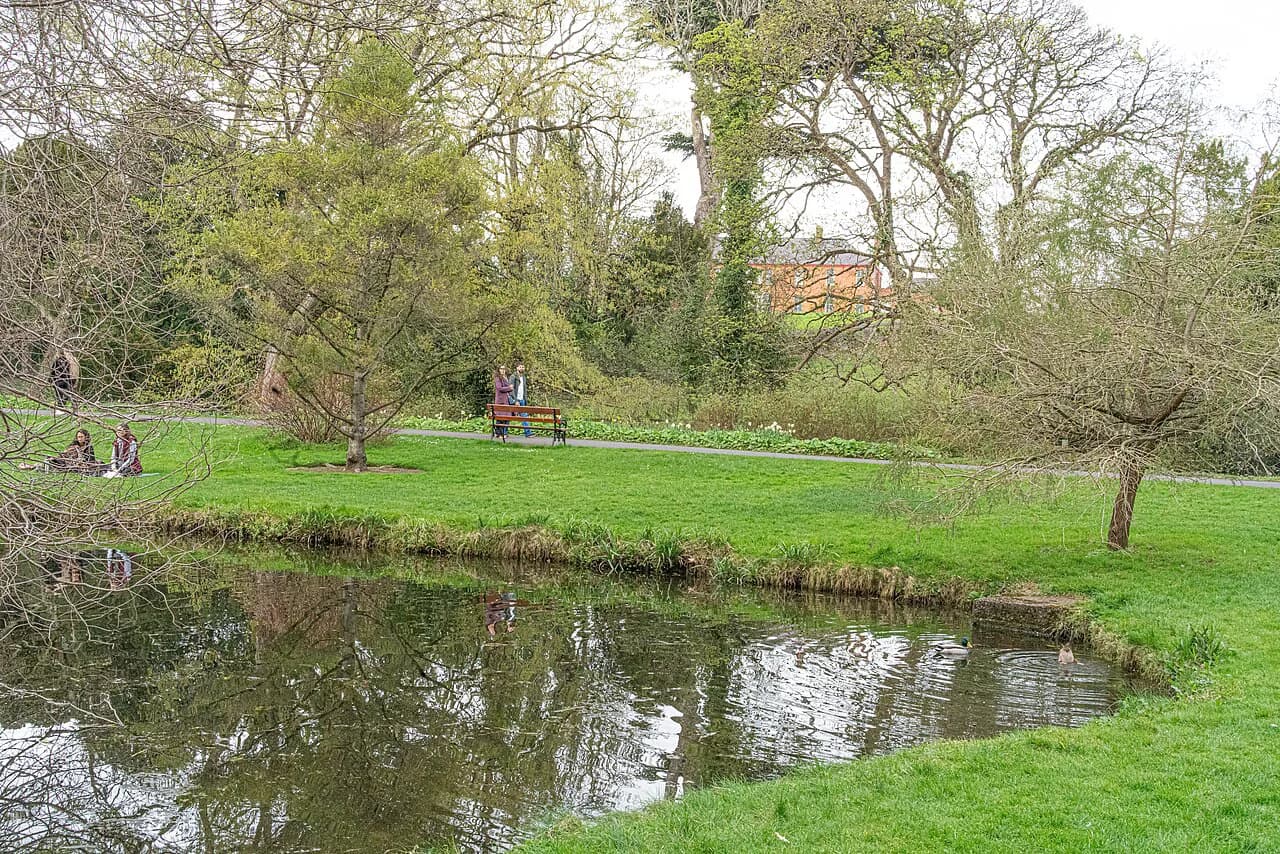
Botanical Gardens in Ireland: National Collections and How to Visit
Ireland's national botanical collections centre on Glasnevin in Dublin and Kilmacurragh in Wicklow. Here is how the two gardens differ and what to expect.
On this page
Ireland's national botanical collections are the paired National Botanic Gardens of Ireland sites: Glasnevin, about three kilometres from Dublin city centre, and Kilmacurragh in rural County Wicklow. Both are run by the Office of Public Works and both are free to enter. A separate State planting, the John F. Kennedy Arboretum near New Ross in County Wexford, is an arboretum rather than a botanic garden and charges admission.
That distinction matters before you plan a day out, because the three places are organised around different purposes. Glasnevin and Kilmacurragh hold documented scientific collections with conservation programmes, while the Wexford arboretum is a landscape of tree and shrub types arranged for exploration. Treat them as three separate visits rather than variations on one template.
What Makes These Collections National and Botanical
A botanic garden is a managed plant collection with a scientific and educational purpose, not simply a handsome garden attached to a house. Heritage Ireland presents Glasnevin as home to over 16,000 plant species and cultivars from habitats around the world, and as a working conservation site holding more than 300 endangered plant species, six of which are already extinct in the wild. That framing tells you what to expect: labelled collections, research and conservation work behind the scenery.
The two gardens are formally linked under one national institution, and Heritage Ireland notes that Glasnevin has been closely associated with its Kilmacurragh counterpart since 1854. For visitors, the practical effect is that the Wicklow garden is described as a complementary collection rather than a rival or a smaller copy. If you have time for both, you are seeing different plantings and different landscapes under the same management, not a repeat performance.
Ornamental estates across Ireland also hold fine trees and borders, and some are open to the public, but they are not automatically part of this national botanical network. For a wider picture of designed landscapes, our guide to irish gardens covers estate and garden visits that are distinct from the OPW collections described here. Keep the categories separate and you will plan a more coherent trip.
Glasnevin: The Capital Garden
Glasnevin is the accessible city option, sitting roughly three kilometres from central Dublin. Heritage Ireland describes it as a calm green space within the capital, which makes it realistic to combine with other city visits rather than dedicating an entire day. The published average length of visit is about an hour and a half, though a serious plantsperson will want longer in the glasshouses and borders. If you are pairing the garden with city sightseeing, our Dublin heritage guide maps out the historic sites worth adding to the same day.
Admission is free, and the gardens are open all year with seasonal hours that stretch later in summer and shorten in winter. They close on Christmas Day. Guided and themed tours are offered, and the sources describe the charges and timings differently: Heritage Ireland publishes a daily guided tour at 11:30 and 15:00 for €5, while a Discover Ireland listing describes Sunday tours as free with a small weekday fee. Confirm the current arrangements on the operator's page before you travel.
Discover Ireland highlights the ornamental side of the collection as well: herbaceous borders, a rose garden, an alpine yard, a pond area, a rock garden and an arboretum. That is useful for planning a route on foot, since these features spread across the site rather than sitting in one block. Bear in mind the garden's character as a scientific collection when you choose between lingering in the borders and heading straight for the glasshouses.
The Glasshouses at Glasnevin
The historic glasshouses are the reason many people come. Heritage Ireland names Richard Turner's Curvilinear Range and the Great Palm House as the most notable of a restored set, and says both have won an award for excellence in conservation architecture. Discover Ireland attributes that recognition to the Europa Nostra awards. The point for a visitor is that these are conserved structures housing a collection, not modern display tents.
Because the glasshouses hold plants from many climates, they offer shelter on a wet Irish day and are the part of a Glasnevin visit least dependent on the weather. They are also likely to draw the crowds, so an early arrival gives you clearer views along the ranges. Plan the outdoor beds around the glasshouse circuit rather than the reverse, and you avoid criss-crossing the grounds.
Conservation and Conduct at Glasnevin
The endangered-species work changes the rules of a visit in ways first-timers sometimes miss. Discover Ireland states plainly that Glasnevin is a scientific collection where picnics, bicycles, fishing, ball games, jogging and running are not allowed, and that only guide dogs are admitted. Heritage Ireland likewise lists assistance dogs only, alongside a ban on drones and on climbing. Read those restrictions before packing a picnic or a family football.
Accessibility is partly good and partly qualified. Discover Ireland describes the glasshouses and gardens as accessible for people with disabilities while noting some steep gradients, and Heritage Ireland lists a wheelchair-accessible toilet among the facilities. If mobility is a concern, ask which routes avoid the slopes rather than assuming a flat site. Heritage Ireland lists a café and toilets on site, and Discover Ireland notes car parking for a small charge.
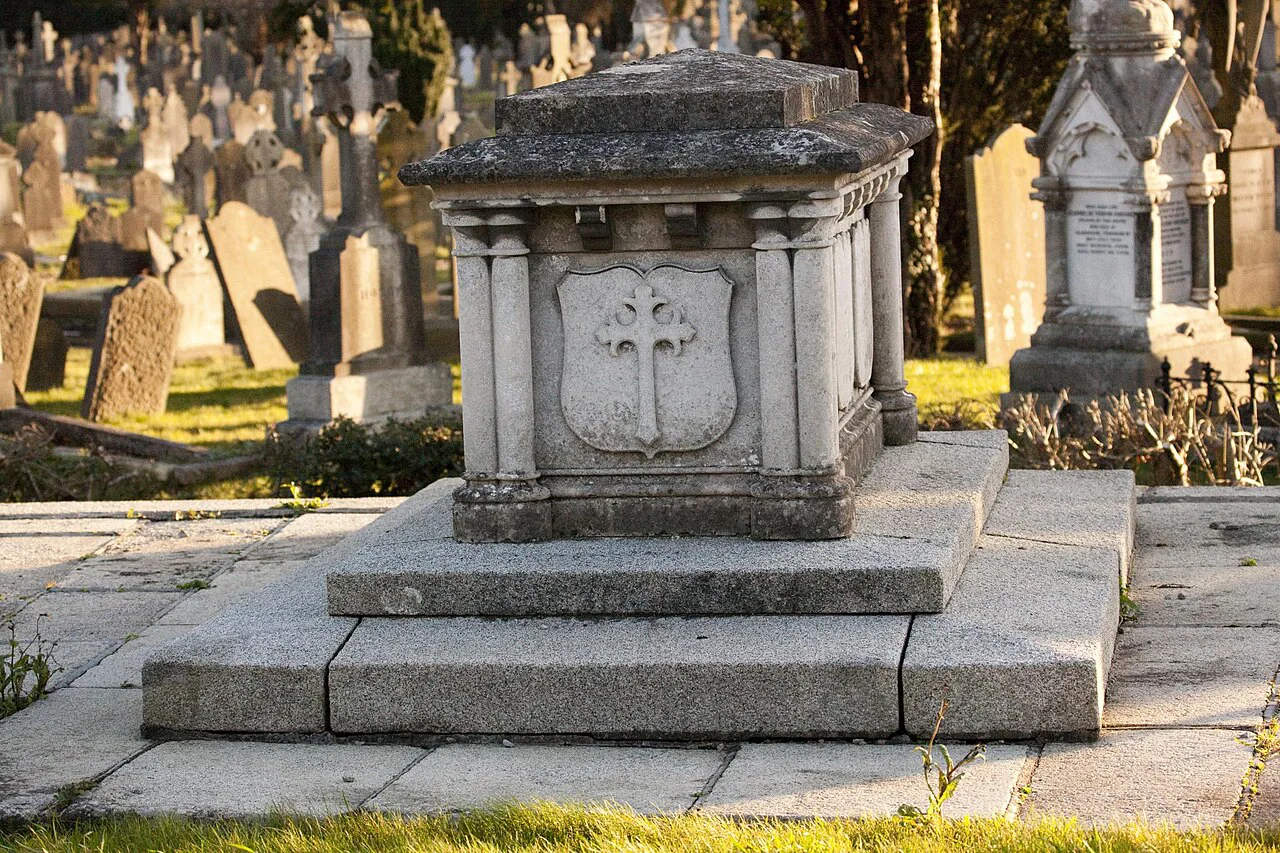
Nearby, a passage in the grounds leads toward Glasnevin Cemetery, which makes a natural second stop on the same outing. The botanic garden's own page lists several heritage sites within a few kilometres. If you want a planted landscape with a house attached instead, muckross house in Killarney offers a very different kind of garden day.
Kilmacurragh: The Wicklow Branch Garden
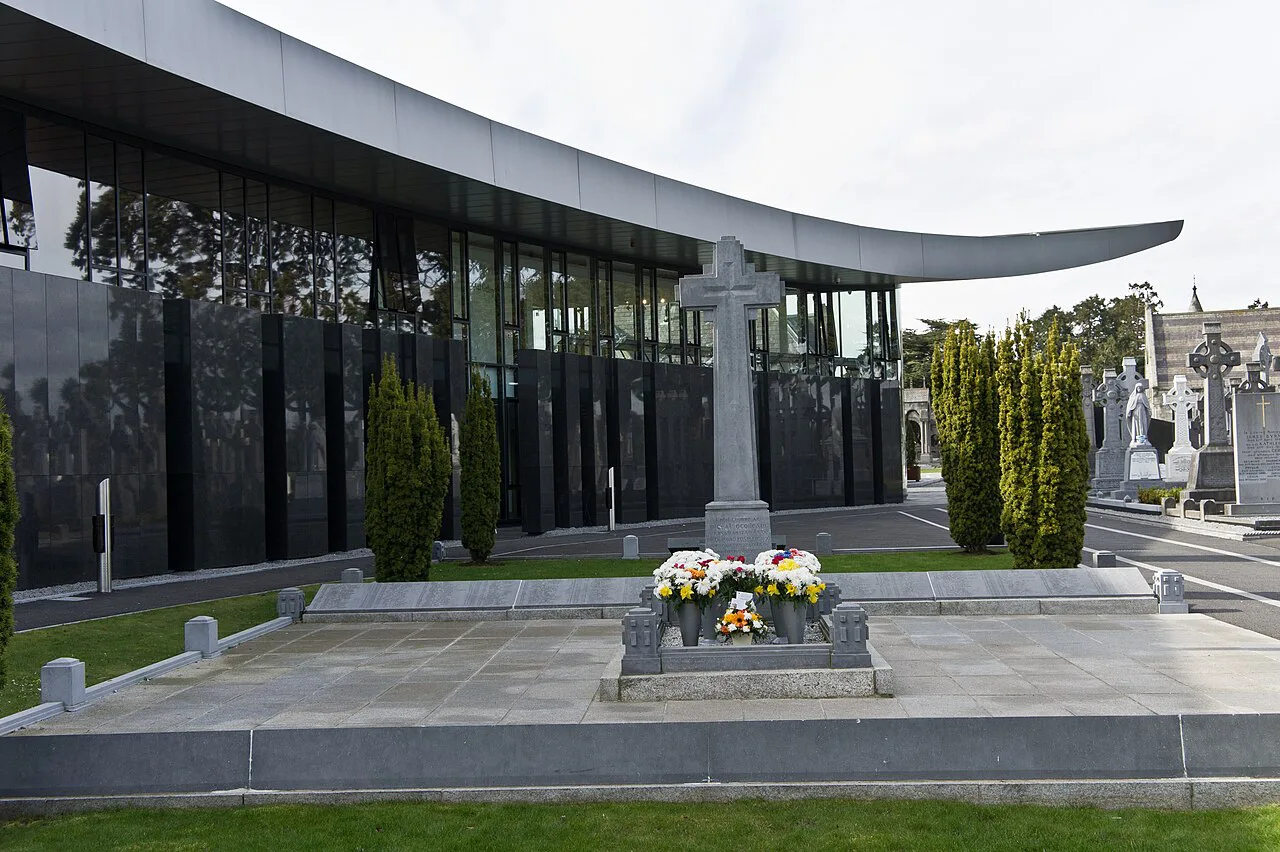
Kilmacurragh is a demesne garden in a quiet corner of County Wicklow with a long history behind its planting. Heritage Ireland records a seventh-century monastery on the land, a religious foundation lasting until the dissolution of the monasteries, and the estate's later passage to the Acton family. In 1854 Thomas Acton inherited it during a period of intense botanical exploration and built a new garden in collaboration with the curators of the national collection.
The modern arrangement dates from 1996, when a 21-hectare portion of the old demesne officially became part of the National Botanic Gardens of Ireland, followed by a decade of restoring the estate's plants. Admission is free and the grounds are open every day except Christmas Day, with shorter winter days and an earlier last admission outside the main season. The published average visit is about an hour, though the walks reward a slower pace.
In practical terms this is a rural outing rather than a city one. Heritage Ireland warns that there is no parking outside the gardens and that the gates may be closed at busy weekend times if the site reaches capacity. Arriving earlier in the day is the sensible hedge against that possibility. The operator lists a café on site and walking trails, and a picnic area appears among the facilities.
Rhododendrons and the Spring Display
Kilmacurragh's specialism is clearest in spring. Heritage Ireland puts the collection at 180 species of rhododendrons and more than 420 varieties, greatly expanded since 1996, and describes fallen blossom forming a magenta carpet along the walks after the peak. Rhododendron Week is listed as an annual event in the garden calendar in April. If that plant group interests you, time your visit to the season rather than the other way around.
For readers building a wider plant-focused trip, altamont gardens in County Carlow is another historic garden in the same broad region, though it is a separate place with its own arrangements rather than part of the national botanic network. Grouping several gardens by county is more efficient than criss-crossing the country. Check each garden's own opening details before committing to a route.
How the Parent and Branch Gardens Differ
The simplest way to choose is by setting and scale. Glasnevin gives you a compact city garden with historic glasshouses, a strong conservation programme and easy access from Dublin. Kilmacurragh gives you a Wicklow estate with a rhododendron specialism, longer walks and a rural setting that is easier to reach with a car or a planned lift. Neither is a substitute for the other, and the operator describes Kilmacurragh as complementary to Glasnevin for exactly that reason.
The rules differ too, so do not carry assumptions from one garden to the other. Kilmacurragh welcomes dogs provided they are kept on a lead, while Glasnevin admits assistance dogs only. Heritage Ireland lists challenging access at Kilmacurragh alongside a wheelchair-accessible toilet, so route planning matters there as well. Read each site's own restrictions page rather than a generic garden guide.
Guided tours exist at both gardens but are not identical in timing or terms, and the sources describe Glasnevin's tour charges differently. Kilmacurragh advertises free guided tours daily at 12:00 and 15:00 from mid-March to mid-October. Heritage Ireland lists Glasnevin guided tours at 11:30 and 15:00 for €5, while Discover Ireland says Sunday tours are free with a small weekday fee. Confirm on the relevant Heritage Ireland page before relying on a tour.
The John F. Kennedy Arboretum: A Different Kind of Collection
The John F. Kennedy Arboretum near New Ross is a State arboretum rather than a botanic garden, and it charges admission. Heritage Ireland lists an adult ticket at five euros, with lower rates for children, students, seniors and families. Do not assume the free entry that applies at Glasnevin and Kilmacurragh carries over. The operator lists guided tours daily from March to October at 12:00 and 15:00.
Scale is the defining feature. The arboretum covers 252 hectares on the summit and southern slopes of Slieve Coillte and holds 4,500 types of trees and shrubs from temperate regions worldwide, arranged in 200 forest plots grouped by continent. There is an ericaceous garden with 500 rhododendrons plus azaleas, heathers and conifers, a lake popular with waterfowl, and panoramic views from the 271-metre summit. A visitor centre houses exhibitions on Kennedy and on the arboretum itself.
The Kennedy connection is context, not the main event. The arboretum is dedicated to John F. Kennedy, whose great-grandfather Patrick was born in the nearby village of Dunganstown. That explains the name and the visitor-centre displays, but the visit itself is outdoors and spread across a hillside. Allow about an hour and a half at minimum, and note that the operator lists uneven walkways and the tearoom as closed.
The Slieve Coillte Viewing Point
One detail catches visitors out: the Slieve Coillte viewing point is a separate site across the main L4027 road, with its own opening hours rather than the arboretum's, and last admission there is an hour before closing. The operator notes that the hill is prone to visibility problems and that its opening times can be weather-dependent. Check the arboretum timetable before you go, so a closed viewpoint does not strand your plan for the day.
Visibility on the hill is weather-dependent, and coastal fog can cancel the point of climbing. The operator states that opening times there may be affected by conditions. Treat the summit as a fair-weather addition to an arboretum visit rather than a guaranteed part of it, and keep a low-level walk in reserve for grey days.
Practical Differences at the Gate
Admission policy is the first thing to get right. Glasnevin and Kilmacurragh are free to enter, but the JFK Arboretum is ticketed, so a day built around all three needs a budget line for one of them. Both botanic gardens close on Christmas Day, and all three sites run seasonal hours that change through the year. Opening times are published by the operator and are the figures to trust over any third-party summary.
Each site also publishes facilities that affect what you carry and how long you stay: cafés at Glasnevin and Kilmacurragh, a café and playground at the Wexford arboretum, and toilets and parking across the sites. Heritage Ireland currently lists the arboretum tearoom as closed, so check its facilities list before counting on a hot meal there. Car parking at Glasnevin incurs a small charge, and Kilmacurragh has none outside its grounds. A quick check of the facilities list on the relevant Heritage Ireland page answers most questions before you set out.
For a broader sense of how planted landscapes sit within Ireland's historic estates and designed grounds, our guide to irish gardens is the natural companion to this page. Use it to plan a county-by-county itinerary around these national collections, and keep the national botanic gardens as the anchor stops rather than trying to fold every garden into one trip.
Putting a Visit Together
Build the trip around season and setting. Spring favours Kilmacurragh for the rhododendron display, while a wet city day suits Glasnevin's glasshouses and short walk from the centre. The Wexford arboretum deserves its own half day, with the Slieve Coillte viewpoint saved for clear weather and separate opening hours confirmed in advance.
Before travelling, open the relevant Heritage Ireland page for the site you have chosen and read its opening times, admission terms and restrictions together. Hours shift between seasons, tours are not run identically at each garden, and the Wicklow garden can close its gates when busy. Those checks take a few minutes and prevent the common disappointment of a locked gate or a missed last admission.
For another heritage guide, read about Fota House.
Explore more Ireland guides
Frequently Asked Questions
Are Ireland's national botanical gardens free to visit?
Glasnevin and Kilmacurragh, the two National Botanic Gardens of Ireland sites, both have free admission according to Heritage Ireland. The John F. Kennedy Arboretum in County Wexford is a separate State arboretum with ticketed entry, so it is not covered by that free-entry claim. Confirm current admission terms on each site's Heritage Ireland page before you travel.
What is the difference between Glasnevin and Kilmacurragh?
Glasnevin is a city garden about three kilometres from Dublin city centre, known for its restored historic glasshouses and large conservation collection. Kilmacurragh is a rural Wicklow estate that became part of the national gardens in 1996, with a strong rhododendron collection and spring blossom displays. The operator describes them as complementary, so they suit different days rather than duplicating each other.
Is the John F. Kennedy Arboretum a botanic garden?
No. It is a State arboretum near New Ross in County Wexford rather than one of the two national botanic gardens. It charges admission and covers 252 hectares of tree and shrub collections arranged in continental plots, with a lake, a summit viewpoint and a visitor centre with exhibitions. Plan it as an outdoor landscape visit rather than an indoor museum stop.
When is the best time to see rhododendrons at Kilmacurragh?
Spring, and specifically April, when the garden's calendar includes Rhododendron Week as an annual event. The collection contains 180 rhododendron species and more than 420 varieties, and fallen blossom colours the walks after the peak. Exact flowering shifts with the weather each year, so check the operator's listing rather than fixing a date months ahead.
Can I bring a dog to the national botanic gardens?
Kilmacurragh welcomes dogs as long as they are kept on a lead, and the JFK Arboretum is listed as allowing dogs. Glasnevin is stricter and admits assistance dogs only. Do not assume a policy carries across sites, and check the restrictions listed on the page for the specific garden you plan to visit.
How long should I allow for a visit?
Heritage Ireland publishes an average visit of roughly an hour and a half at Glasnevin, about an hour at Kilmacurragh and an hour and a half at the JFK Arboretum. Plant enthusiasts and families usually need longer, especially where glasshouses, trails or a lakeside walk are involved. Kilmacurragh's last admission falls before closing, so plan arrival with that in mind.
Do I need to book in advance?
Garden entry for individual visitors is not presented as requiring a booking, but coach and bus tours at Kilmacurragh must be booked, and school tours there also require booking. If you want a guided tour, confirm times and any fee directly with the garden, since the arrangements differ between sites. Individual visitors should still check hours before setting out.
Sources
You might also like



Continue reading
More guides you'll find useful





