
Dunmore Cave: A Guide to Kilkenny's Guided Show Cave
Dunmore Cave near Kilkenny is a guided show cave of limestone chambers and calcite formations. Plan for 700 steps, a cold interior and Viking-era stories.
On this page
Dunmore Cave is a limestone show cave a short drive from Kilkenny town, entered only as part of a guided tour. Its calcite formations are among the reasons to go; its written record, which stretches back centuries, is the other.
The site is managed by Heritage Ireland, whose official page is the place to check before travelling. Treat this guide as orientation and confirm the day's tour situation directly with the operator.
What Dunmore Cave Is
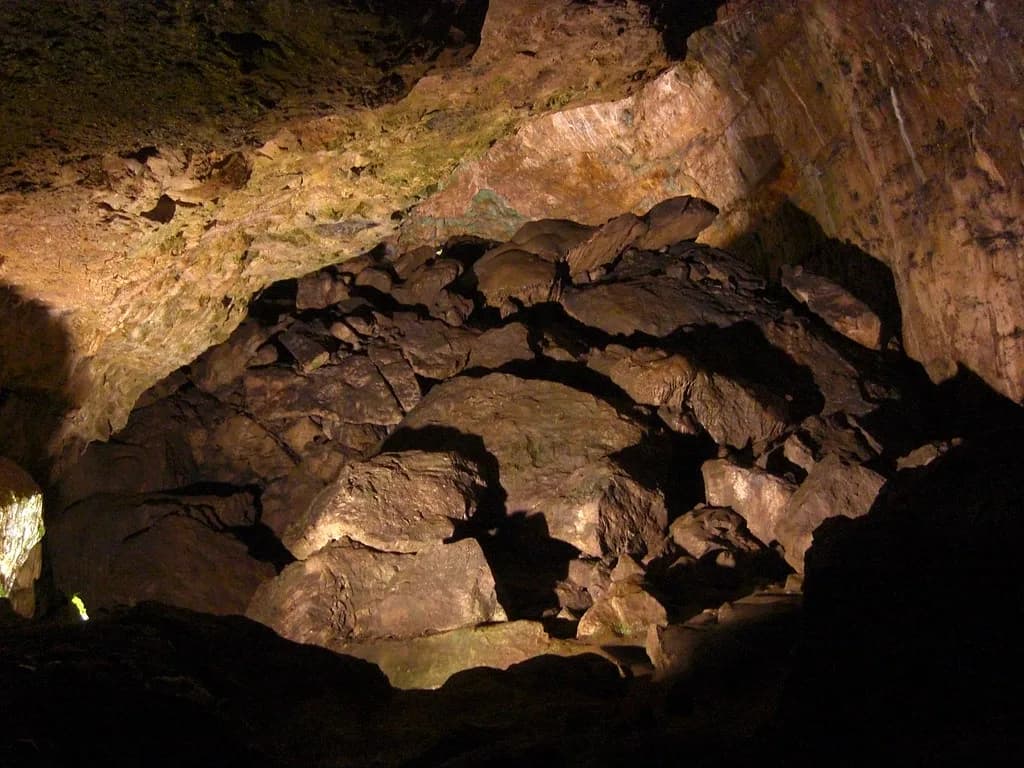
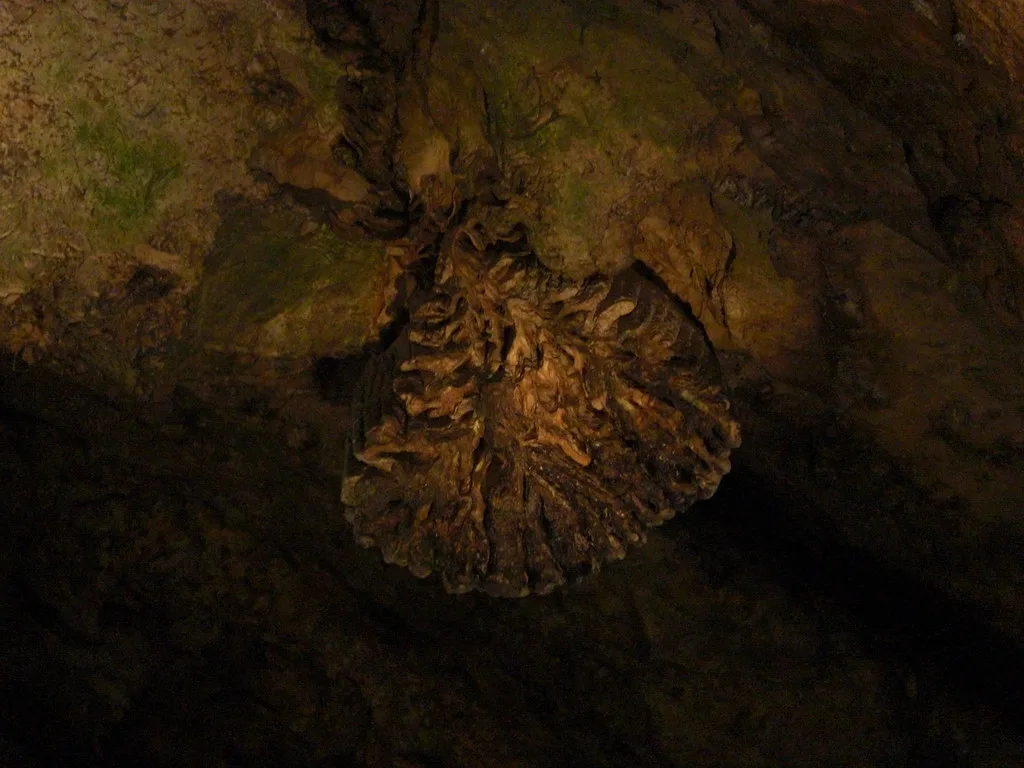
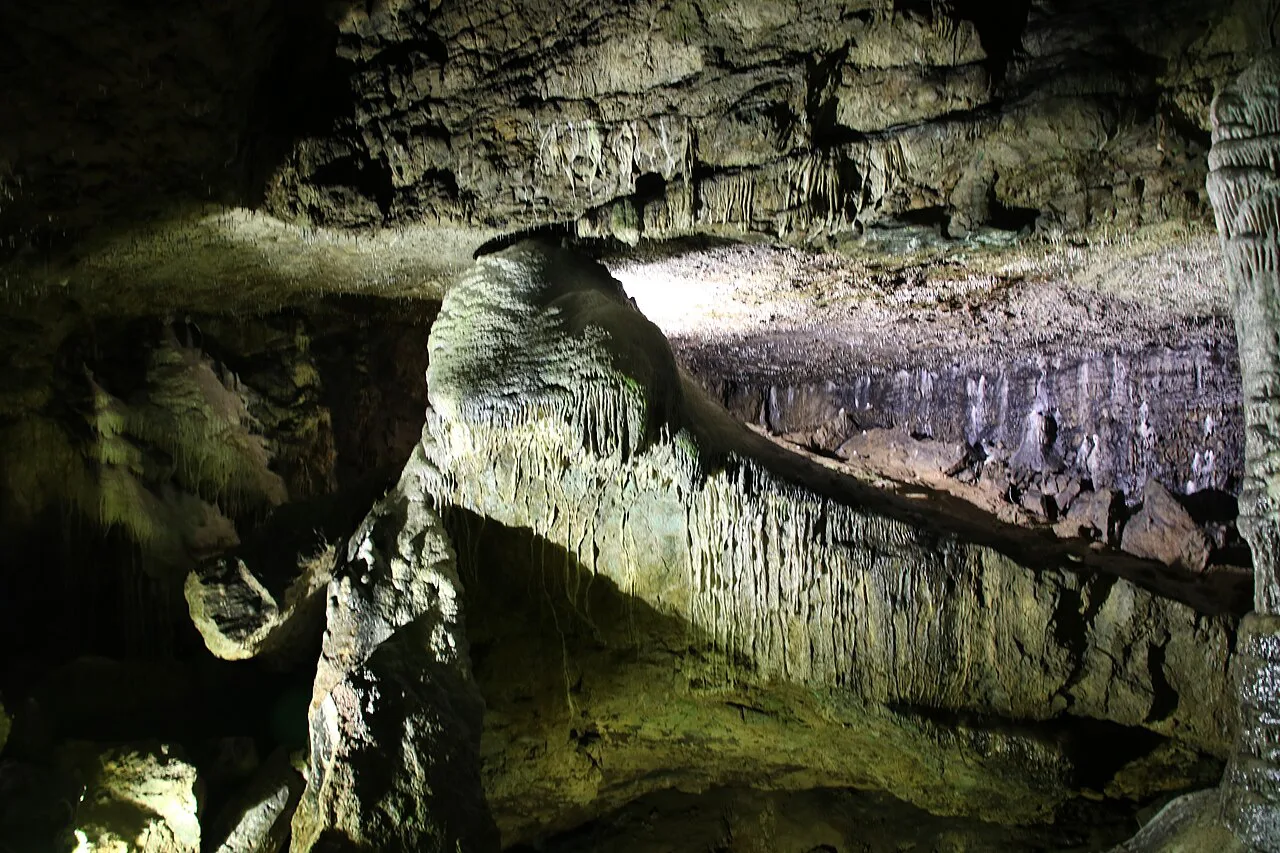
The cave lies not far from Kilkenny town and consists of a series of limestone chambers formed over an immense geological timescale. Heritage Ireland describes the calcite formations inside as among the most impressive found in any Irish underground structure. That pairing of scale and decoration is what sets it apart from a simple hole in a hillside.
It is a show cave, meaning access is regulated and interpretive rather than wild. A visitor centre handles the introduction, and the cave itself is seen on a guided tour. For anyone mapping a wider interest in stone, ruin and building across the island, it sits comfortably alongside the broader story of irish architecture, where geology and construction often overlap.
The Underground Visit: Steps, Cold and Wet
The deciding factor for many visitors is physical rather than historical. A visit entails 700 steps, the ground is uneven, and the interior is cold and wet. Heritage Ireland advises suitable footwear and appropriate clothing, and asks anyone with health issues to weigh their own limitations carefully before descending.
The cold and damp are not incidental dressing advice; they shape how long you will want to linger and what you carry. A waterproof layer and grippy shoes matter more than a camera. If stairs and uneven footing are a concern, the visitor-centre material below is the sensible alternative to the descent itself.
History in the Written Record
The cave has been known for many centuries and appears in the ninth-century Triads of Ireland, where it is described as one of the darkest places in Ireland. That is the earliest reference the official account cites, and it is a literary label rather than a description of the tour experience.
The darker episode comes from the Annals of the Four Masters, which recounts how the Viking leader Guthfrith of Ivar massacred a thousand people there in AD 928. Heritage Ireland is explicit that archaeological investigation has not reliably confirmed such a massacre, while finds inside the cave, including human remains, do indicate Viking activity. Read the annal as medieval tradition, not settled fact.
That distinction is worth holding onto on the tour. Finds in the cave indicate Viking activity, but the scale of the killing rests on a much later textual account. Ireland's ancient sites more broadly reward the same habit of separating story from excavation.
Visitor Centre and Virtual Museum
Before or after the descent, the visitor centre sets out the cave's context. Discover Ireland notes an audio-visual presentation covering the geology and evolution of the area over 350 million years, along with the cave's formation, its wildlife and the treasures found inside. It is a useful primer if you are arriving without geological background.
The same source points to a Virtual Museum where some of the artefacts discovered in the cave can be seen. For anyone uneasy about the steps, this indoor material is the way to engage with the finds without entering the cave. It also gives context to objects that would otherwise be abstract names in a tour script.
Tours, Times and Admission
Access to the caves is by guided tour only. Tours are limited in number each day and cap at 50 people per tour. Walk-ins are welcome, but places are allocated on a first-come, first-served basis, so arrival time effectively decides your visit.
Heritage Ireland lists opening as 9:30 to 17:00, with last admission to the cave at 16:00 and adult admission at five euro. Those are the official figures as published; concession, child and group rates are not set out here, so check the page for the current schedule.
What is not published is departure frequency or staffing beyond the daily limits and the 50-person cap. If your day is tight, treat the opening times as the reliable anchor and plan to arrive earlier rather than later. Nothing on the official page promises a seat on a specific tour.
Who Should Weigh the Visit
Children must be strictly supervised, with a stated maximum of three children to every one adult, and the site may not be suitable for very young children. That ratio is a firm safety rule rather than a suggestion, so families should count heads before setting out.
Anyone with mobility limits, heart or breathing conditions, or a strong dislike of cold, wet, stepped spaces should think carefully about the 700 steps and the uneven footing. The cave is not a casual stroll underground. If in doubt, the indoor visitor-centre interpretation, including the Virtual Museum, lets you engage with the site's geology and finds without committing to the descent; cave entry itself still requires a guided tour.
Nearby Context for a Half Day
A short add-on, especially with children, is Jenkinstown Forest Park, which Discover Ireland places about ten minutes away and suggests for an easy trail walk, deer and a picnic. It offers outdoor time that does not depend on a tour slot.
Heritage Ireland also signposts other sites in the area, including Kilkenny Castle and St Mary's Church at Gowran, for anyone building a fuller day. If the castle tempts you, our Kilkenny heritage guide covers its Butler history and what to expect. If you are headed further afield into County Laois, the rock of dunamase is a ruined hilltop site with a very different, open-air character.
Before You Go
Dunmore Cave rewards planning more than most ruins: entry is tour-only, places are first-come first-served, and the last admission to the cave is early. Arrive with time to spare, wear footwear for wet, uneven ground, and be realistic about 700 steps.
Confirm the current tour situation and any operational notice on the Heritage Ireland page before setting out. Then decide deliberately whether you are descending or staying with the centre's interpretation, and shape the rest of the day around that choice.
Explore more Ireland guides
Frequently Asked Questions
Is Dunmore Cave worth visiting near Kilkenny?
It is a strong choice if you want guided geology and history in one place: limestone chambers, notable calcite formations and a long written record. It is less suitable if 700 steps, cold and damp conditions, or enclosed spaces would spoil the outing. The indoor visitor-centre interpretation, including the Virtual Museum, offers a way to engage with the site without the descent, though cave entry itself is tour-only.
How physically demanding is the Dunmore Cave tour?
A visit entails 700 steps over uneven ground, with a cold, wet interior. Appropriate footwear and clothing are advised, and people with health concerns are asked to consider their own limitations. It is not a flat, dry walk.
Was there a Viking massacre at Dunmore Cave?
The Annals of the Four Masters recount a massacre by the Viking leader Guthfrith of Ivar in AD 928, but archaeological investigation has not reliably confirmed it. Finds in the cave, including human remains, do indicate Viking activity, so the annal should be read as tradition rather than established fact.
Can you enter Dunmore Cave without a guide?
No. Access is by guided tour only, with a maximum of 50 people per tour. Walk-ins are accepted but allocated first-come, first-served, so arriving early gives the best chance of a place.
What should you wear to Dunmore Cave?
The interior is cold and wet and the terrain is uneven. Heritage Ireland advises suitable footwear and appropriate clothing, so waterproof layers and shoes with grip are the sensible choice.
Can young children visit Dunmore Cave?
Children must be strictly supervised, with a stated maximum of three children per adult. The site may not suit very young children because of the steps, wet ground and enclosed setting.
How long does a visit to Dunmore Cave take?
The official page does not publish a fixed tour length or departure schedule. Plan around opening from 9:30 to 17:00 with last cave admission at 16:00, and allow extra time for the visitor centre and the first-come, first-served queue.
Where does the name Dunmore Cave come from?
The available sources do not give an etymology for the name. Rather than guess, treat the name as the common English form used by the operator and check Heritage Ireland's own material for any interpretation they publish.
Sources
You might also like



Continue reading
More guides you'll find useful



