
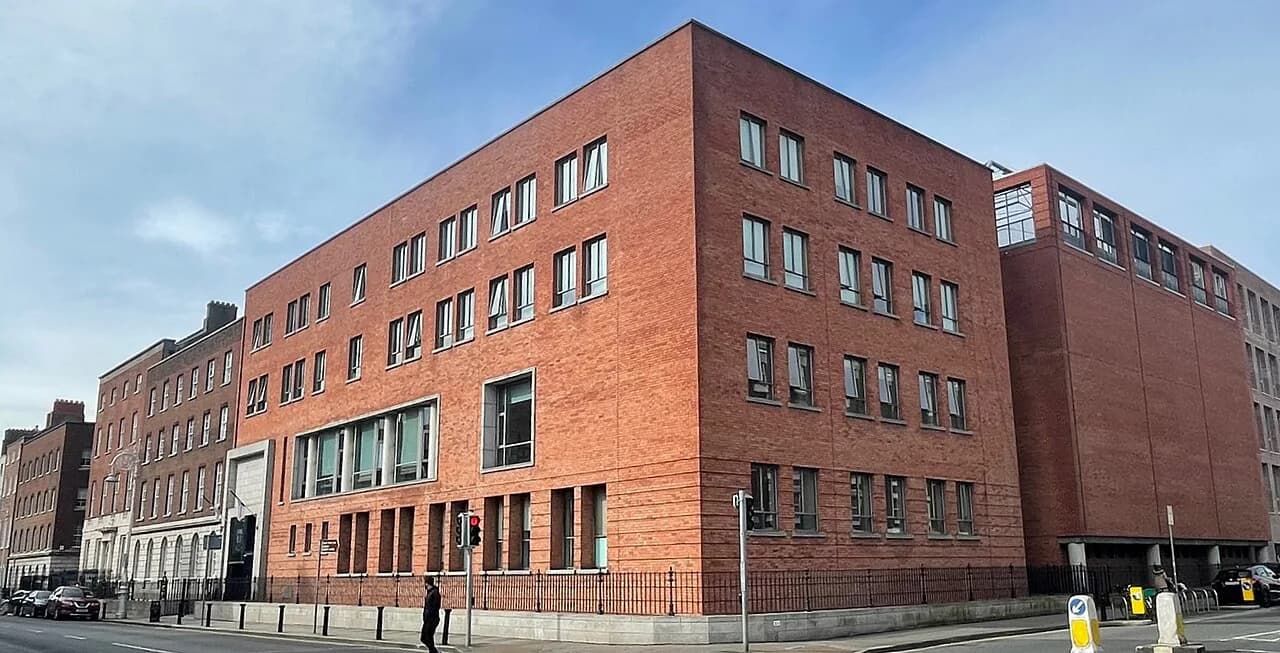
James Joyce Walking Tour Dublin: Guided Routes and Self-Guided Stops
Compare the James Joyce Centre's two guided Dublin walks, then add self-guided stops such as Sweny's Pharmacy, MoLI and the Sandycove tower museum.
On this page
A James Joyce walking tour in Dublin comes in two workable forms. The James Joyce Centre runs two public guided walks, both departing from its Georgian townhouse on North Great George's Street, and many of the same sites can be strung together independently if you prefer to set your own pace. The guided option fixes the geography for you; the self-guided option lets you linger where a book matters most.
What follows is a practical comparison: what the centre currently publishes about booking, what each route covers, which self-guided stops extend the day, and where access is limited to an exterior view. Prices and schedules are given as the centre's current published terms, not permanent guarantees.
Booking and Logistics: What the Centre Currently Publishes
The centre's booking information, checked in October 2026, lists two public tours at 11am on Thursday, Friday and Saturday, departing from the James Joyce Centre. Arrive about ten minutes early for check-in. Each tour runs roughly two hours over about two kilometres, a moderate city walk that suits most visitors but leaves little room for detours.
The booking page quotes €25 for adults and €20 for students and seniors, with seats reserved through that page or at reception. Treat those figures and the Thursday-to-Saturday schedule as the centre's current published terms rather than permanent facts, and confirm the date you want before building a day around it. The centre's listed opening hours are Tuesday to Saturday 10:30am to 4:30pm, with Sunday and Monday closed, though those hours are not a guarantee that a specific tour is running.
Introducing Joyce's Dublin: The North-Inner-City Route
Introducing Joyce's Dublin walks the north inner city and ties the streetscape to Joyce's life and writing. The centre names several stops: Belvedere College, where Stephen Dedalus goes to school in A Portrait of the Artist as a Young Man, and Hardwicke Street, the setting of the short story The Boarding House in Dubliners. The route also takes in the James Joyce Statue on North Earl Street, known by its street nickname, and finishes on O'Connell Street.
The Gresham Hotel, which provides the setting for the closing scene of The Dead, appears among the named stops, and the centre also includes No. 7 Eccles Street, Leopold and Molly Bloom's address in Ulysses. That address survives as a site rather than a preserved interior, and the original door is displayed inside the centre's exhibition, so treat the stop as a piece of street geography rather than a house visit. The sources name these places as route stops without confirming that walkers enter any of the buildings.
Footsteps of Leopold Bloom: City Centre and the Food Chapter
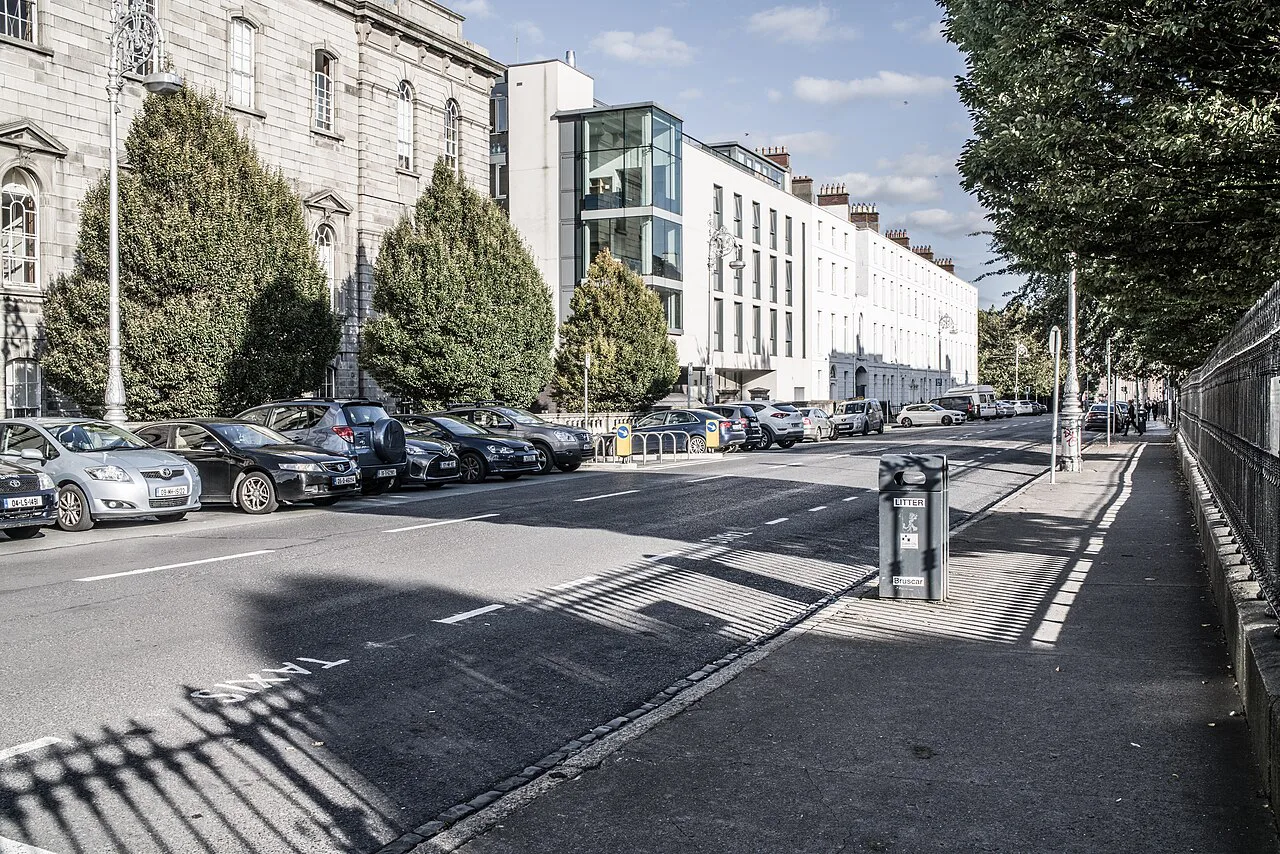
The second walk follows Bloom through the eighth chapter of Ulysses, Lestrygonians, as he moves from Middle Abbey Street towards the National Library. The centre describes the tour as a way into Joyce's use of food as social and political commentary, alongside the architecture Bloom passes. It ends on Kildare Street, so the National Library of Ireland is close by for a follow-on visit.
This walk suits readers who already know something of Ulysses or who want a single chapter unpacked in detail. If you know little of Joyce, the north-side walk is the broader introduction; if you have read the novel and want the city centre made legible, take the Bloom route instead. Neither replaces reading the chapter, which is the real preparation.
Choosing Between the Two Walks
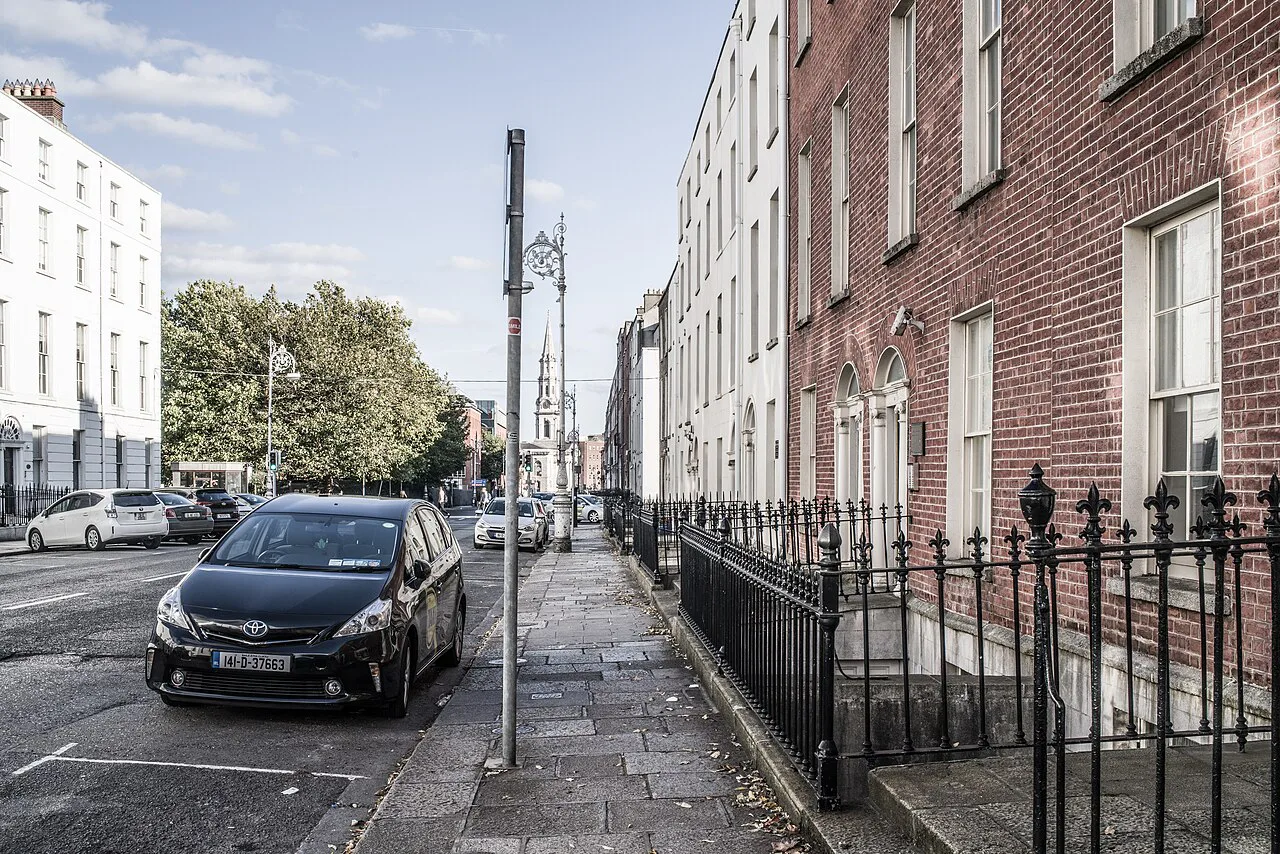
The practical split is geography and theme. Introducing Joyce's Dublin covers biography and several works across the north inner city, while the Bloom walk is a tight city-centre route through one chapter. Two hours and two kilometres is not strenuous, but it is a fixed block of time, so pick one walk and spend the rest of the day on self-guided stops instead of trying to fit both into a single afternoon.
The centre's older background page also describes a Dubliners-themed walk ending around O'Connell Street, but that same page carries prices, durations and 2020 group rates that conflict with the current booking information. Ask at reception whether such a walk is running during your visit rather than assuming a schedule. For broader context on the city's literary geography, the Irish Writers section is a useful companion before you set out.
Inside the James Joyce Centre
The centre occupies a Georgian townhouse a short walk from O'Connell Street, and its permanent self-guided exhibition focuses on Ulysses. Displays include video documentaries, room reconstructions and computer installations, along with the door from No. 7 Eccles Street and furniture from the apartment of Paul Léon, where Joyce wrote part of Finnegans Wake. Free audio guides are offered in several languages, and there is a shop and temporary exhibitions.
Accessibility needs planning. Only the ground floor of the centre is described as wheelchair-accessible, so contact the centre about the exhibition and ask specifically about the walking route if mobility is a concern; no source describes the tours as step-free. The same page notes that the Parnell LUAS stop and Connolly Station are the convenient transport anchors, and that waterproof clothing is sensible on any Dublin walk.
Self-Guided Extension East and South
From the city centre you can build a Joyce day south and east. Sweny's Pharmacy, associated with Ulysses and noted for Joycean readings, and Newman House on St Stephen's Green, now the Museum of Literature Ireland, both appear on the documented trail. MoLI occupies Joyce's old university building, and the source notes a café and an ash tree linked to his 1902 graduation photograph. If you plan to linger on the green itself, our St Stephen's Green, Dublin: A Victorian Park Visitor Guide covers the park's layout and entrances.
Further out, the James Joyce Tower at Sandycove is a Martello tower that holds a museum to Joyce's life and works and was the setting for the opening chapter of Ulysses. Its collection includes letters, photographs, first and rare editions and personal possessions, and the gun platform and living room are described as close to Joyce's own descriptions. It sits about 13km south of the city on the coast road. Opening times and access terms are not listed in the source, so check with the museum before travelling.
The North Earl Street statue is easy to fold into a city-centre walk; the Visit Dublin guide records its unveiling in 1990 and points to a talking-statues audio guide for context. The MoLI stop also suits a wider literary day: Seamus Heaney in Ireland covers another writer whose work sits comfortably alongside Joyce in any reading of Irish writing.
Self-Guided Extension: Glasnevin, the Pubs and the South Quays
West of the centre, Glasnevin Cemetery is described as Ireland's largest, with guided walking tours and graves linked to Ulysses characters and to Joyce's father. The cemetery's own tour arrangements change, so confirm them directly. Back in the city centre and south of the river, Davy Byrne's on Duke Street is the pub most famously connected with Ulysses, and Mulligans on Poolbeg Street was a Joyce haunt. These are literary associations to note from outside or over a drink, not stops the centre's tours are described as entering.
On the south quays, 15 Usher's Island is the Georgian house where Joyce set The Dead. It is visible from the street, directly opposite the Joyce Bridge, but the source is explicit that the house cannot be visited, so plan it as an exterior view rather than an interior stop. It makes a short, worthwhile detour from the quays rather than a separate trip.
Plan Your Visit
Decide first whether you want a guided walk or a self-made route. The centre's two-public-tour setup is the simplest introduction, and the Thursday-to-Saturday 11am departures, €25 adult ticket and two-hour length are the figures to book against. If you prefer to wander, use the named stops above as anchors and treat the interiors as separate visits.
Either way, budget for a second day if the tower and Glasnevin are both on your list, since they sit in opposite directions from the centre. Confirm the centre's listing hours and the tower's opening arrangements close to your travel date, and carry rain gear; the rest of the planning is mostly choosing which book to reread first.
Explore more Ireland guides
Frequently Asked Questions
Are the James Joyce Centre walking tours guided?
Yes. The centre offers two public guided walks, Introducing Joyce's Dublin and Footsteps of Leopold Bloom, with guides who explain the real-life inspiration behind Joyce's writing. Both depart from the centre on North Great George's Street at 11am on Thursday, Friday and Saturday according to its booking page. If you want to walk without a guide, the documented sites in this article can be visited independently.
How long is a James Joyce walking tour in Dublin?
The centre's booking page describes each public tour as lasting roughly two hours and covering about two kilometres, with attendees asked to arrive at least ten minutes early for check-in. That is a moderate city walk rather than a long hike, but it is a fixed block of time, so plan other visits around it rather than assuming you can slip away early.
What is the difference between Introducing Joyce's Dublin and Footsteps of Leopold Bloom?
Introducing Joyce's Dublin covers biography and several works on a route through the north inner city, with named stops including Belvedere College, Hardwicke Street, No. 7 Eccles Street and the Gresham Hotel, finishing on O'Connell Street. Footsteps of Leopold Bloom is a city-centre walk built around the Lestrygonians chapter and its food theme, ending on Kildare Street.
Where does the Leopold Bloom walk end?
The centre lists Kildare Street as the finishing point of the Bloom walk. The Introducing Joyce's Dublin walk ends on O'Connell Street instead, so choose your finishing point with the rest of your day in mind.
Can you walk Joyce's Dublin without a tour?
Yes. Documented sites such as Sweny's Pharmacy, the Museum of Literature Ireland at Newman House, the North Earl Street statue and the Sandycove tower museum can be visited independently. Some stops, including No. 7 Eccles Street and 15 Usher's Island, are exterior views only, so read up before you go and check each venue's own arrangements for the day you plan to visit.
Is the James Joyce Centre wheelchair accessible?
Only the ground floor of the centre is described as wheelchair-accessible, and no source describes the walking tours as step-free. If mobility is a concern, contact the centre directly before booking and ask about the exhibition and the route.
What should you wear on a Joyce walking tour in Dublin?
The centre advises waterproof clothing for its walking tours, which is sensible for any Dublin walk given how quickly weather changes. Comfortable shoes matter more than specialist gear over roughly two kilometres.
Do the tours go inside Belvedere College or the Gresham Hotel?
The sources name Belvedere College, Hardwicke Street, No. 7 Eccles Street and the Gresham Hotel as stops or reference points on the north-side route but do not confirm that walkers enter the buildings. Treat them as places to look at and learn about from the street, and ask at reception if interior access matters to you.
Sources
You might also like



Continue reading
More guides you'll find useful





