
Leixlip Castle: A Norman Castle Above the River Liffey
Leixlip Castle is a Norman stronghold above the River Liffey in County Kildare, later remodelled. Here is its history, what to see inside and how tours work.
On this page
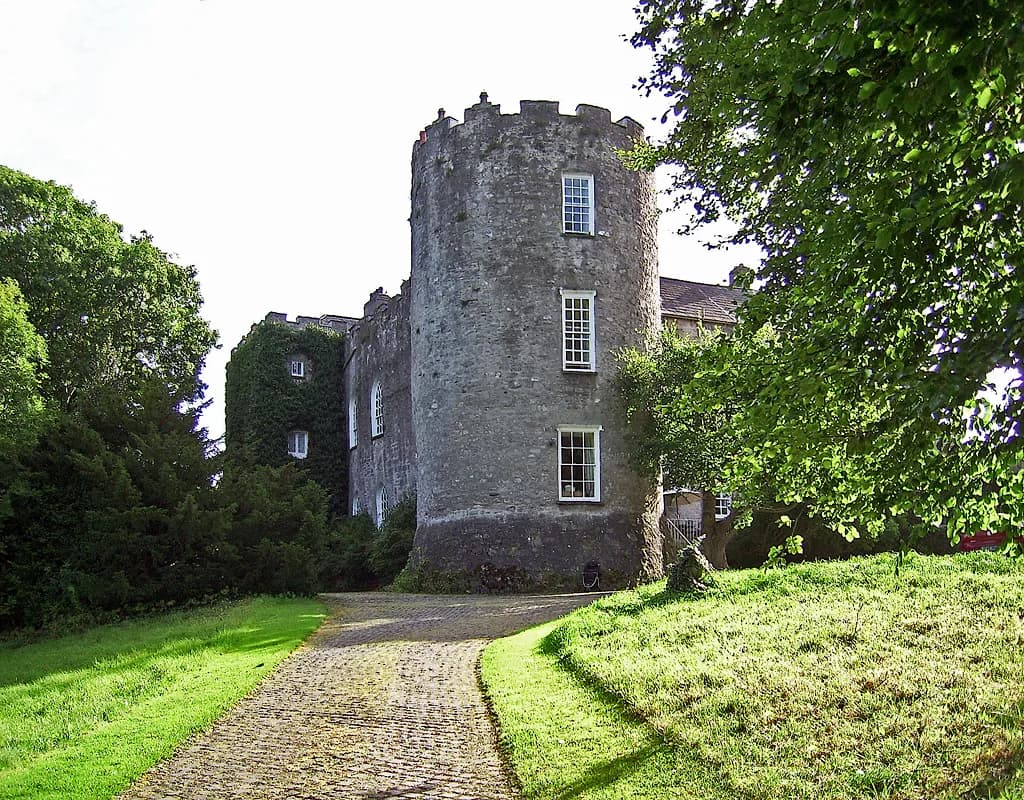
Leixlip Castle is a Norman castle in County Kildare, built around 1172 on a rock above the River Liffey and later remodelled more than once. It is not a ruin or a state-run monument open on a fixed daily schedule: it is a lived-in historic house, and its interior is shown on arranged tours.
That distinction shapes any visit. The gardens can be walked during open periods by people who do not want to tour inside, while the rooms described here are seen only through the organised visiting that the owner advertises. Check the current arrangement before travelling rather than assuming the castle is open when you arrive.
A Norman Foundation on the River Liffey
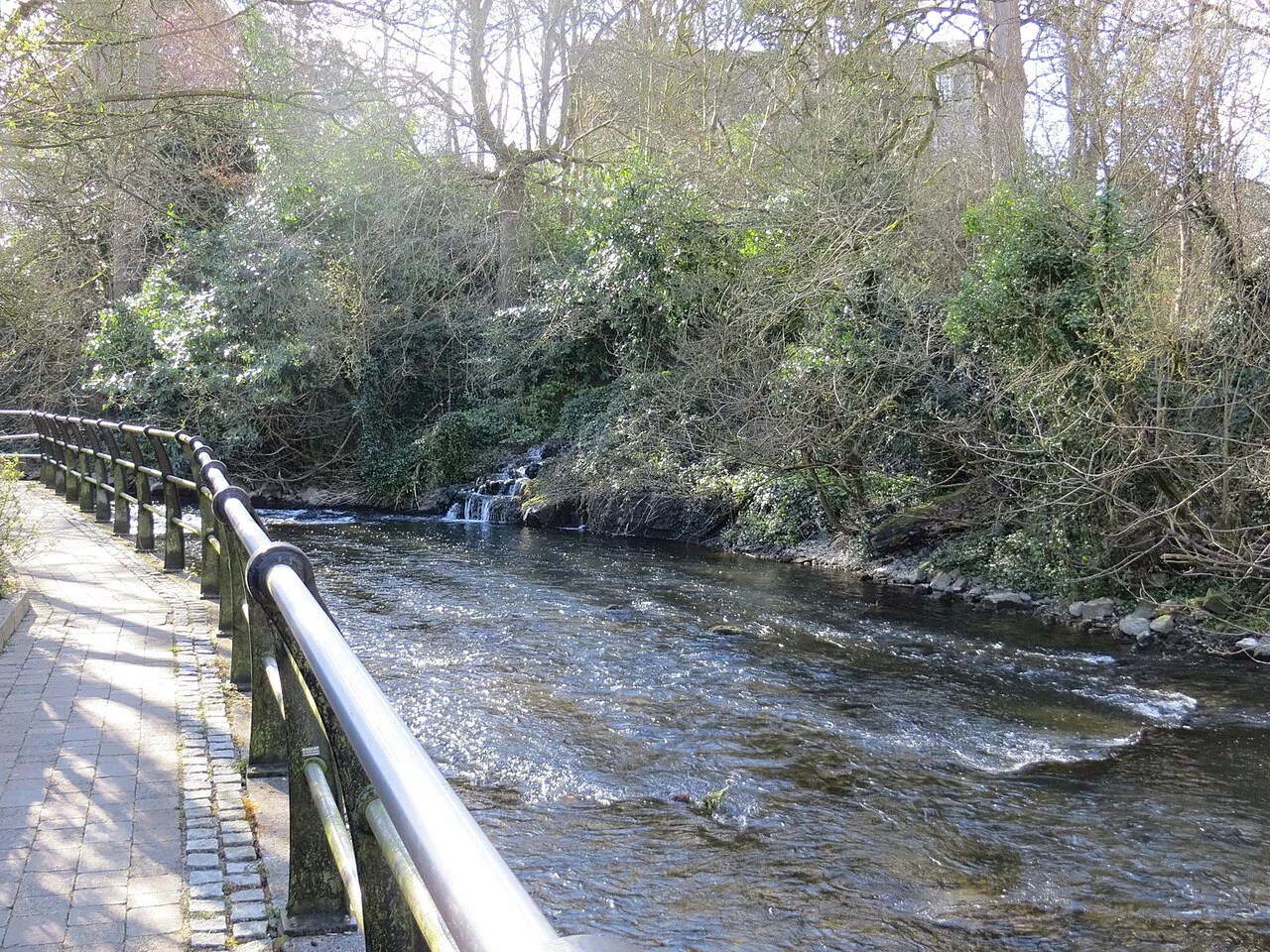
The castle was built around 1172 by Adam de Hereford, a Norman knight who came to Ireland with Strongbow. Its site is a rock above the River Liffey, at what Historic Houses of Ireland describes as the edge of the English Pale, the territory under strongest English control in the medieval period. That riverside height is the starting point for reading everything added later.
For a visitor, the value of the early date is that it explains the castle's shape and stubbornness. A structure founded in the late twelfth century was altered repeatedly rather than replaced, so what you approach today is a building that absorbed each generation's taste. Compare that layered survival with the classic keep and walled enclosure format covered in the wider guide to medieval castles.
Ownership Layers: Whyte, Conolly and Long Tenancies
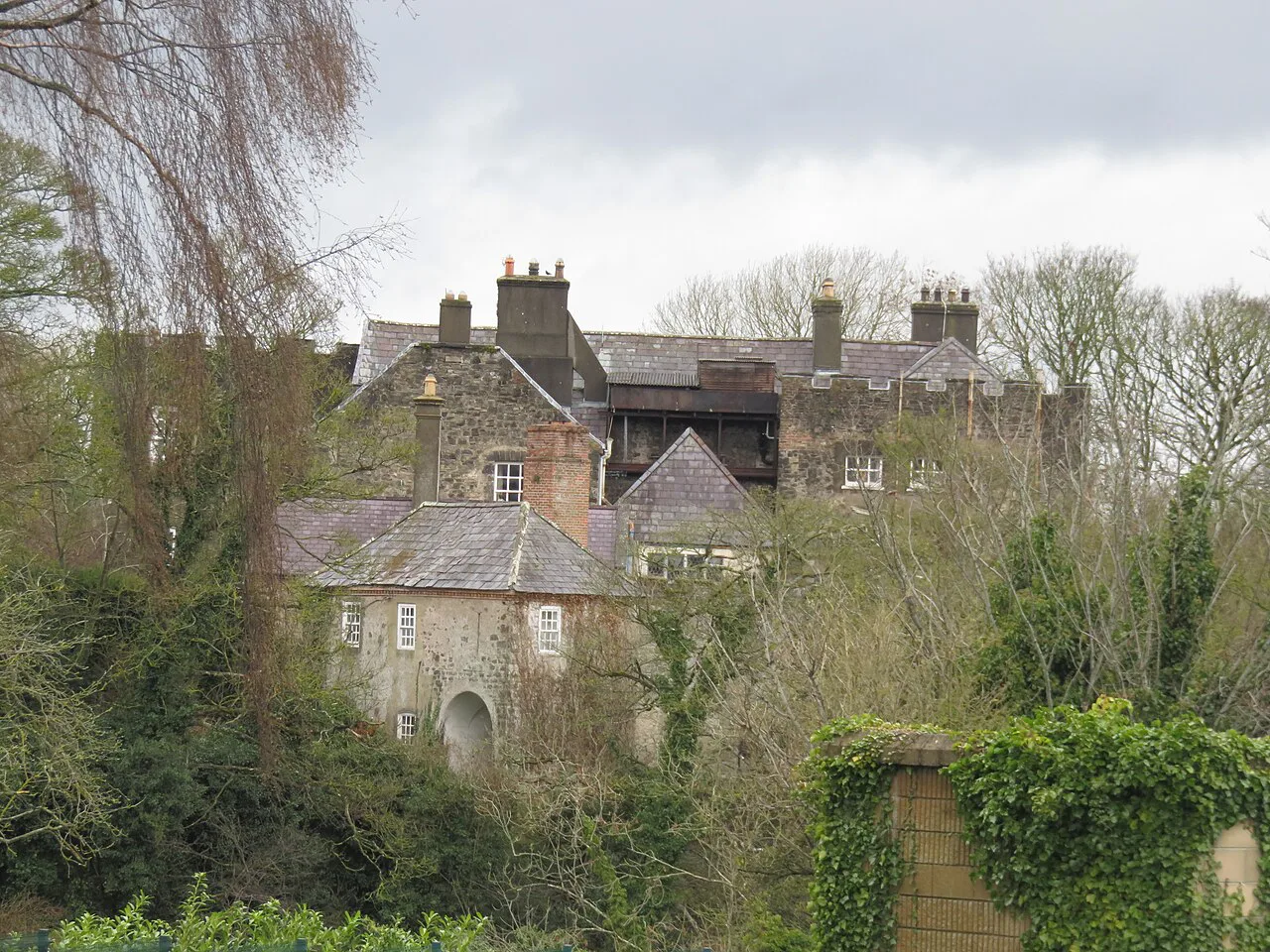
Ownership passed from the Whyte family to William Conolly, nephew and heir of Speaker Conolly of Castletown. Leixlip stayed in Conolly ownership into the twentieth century, but for long stretches it was let to tenants, and those tenants included a primate and a viceroy. That pattern of an estate held for status and rented to the powerful helps explain why the interiors read as a sequence of fashionable commissions rather than one family's unbroken furnishing.
The castle has been in the ownership of Desmond Guinness and his family since 1958, which is the present chapter of its history. When you tour, the collection you see reflects both the older Conolly-era structure and the collecting interests of the family that occupies it now. That is why the rooms mix pieces of different periods instead of recreating a single decade.
Reading the Building: 18th-Century and 1837 Work
The castle was renovated in the mid-eighteenth century and again in 1837. The result is described as a remarkably complete Georgian Gothick fusion, with a regular four-bay front raised above the river. Look for that tension on the exterior: a symmetrical, polite facade applied to a medieval core, which is exactly the sort of blending that makes Irish country houses difficult to date at a glance.
This is why Leixlip is best understood as a castle with Georgian layers, not a Georgian house. The Gothic details signal a medieval past that the eighteenth-century work was consciously framing, while the 1837 renovation added a further coat. Travelling here with that in mind changes what you notice: the windows, roofline and front are as much evidence as the old masonry.
Inside the Castle: Hall, Dining Room and Library
The Front Hall holds a seventeenth-century Brussels tapestry depicting Theodotus offering the head of Pompey to Caesar. The Dining Room is furnished with Chippendale chairs and Bavarian tapestries, and the Library has plasterwork dating from the mid-eighteenth century together with a French Savonnerie carpet. These are specific, named contents rather than a general art collection, and they reward close looking in a short tour.
Because the tour is time-boxed, decide in advance what you want to examine. The tapestry and the library plasterwork are the details singled out in Historic Houses of Ireland's own description of the castle, so they are sensible anchor points if the group moves quickly. Photography, room access and the route through the house are set by the guiding arrangement on the day, so ask rather than assume.
The Dolls House and the Mitford Drawings
The Drawing Room holds a large eighteenth-century dolls house that originally came from Newbridge House, along with drawings of the six Mitford sisters by William Acton. Both are portable, personal objects set inside a medieval shell, and together they show how a castle interior can function as a home for pictures and toys as well as state rooms. The dolls house in particular makes the Newbridge House connection tangible for visitors who know that estate.
If you are choosing between Irish castle visits, this intimate, collection-led interior is a different experience from a bare stone fortress. The contrast with a heavily visited site such as Blarney Castle, where the grounds and the stone draw the crowds, is worth thinking through when you plan a route. The same weighing of interior collections against grounds applies when you compare castles in county galway.
The Grounds: Conservatory, Temple and Walled Garden
The garden has a conservatory and a temple, with white iron gates at the far end of the lawn leading into a walled vegetable garden. That sequence of lawn, gate and productive walled ground gives a walk here a clear structure, and it is the part of the property most accessible to casual visitors.
Visitors can walk the gardens during open times without booking or paying admission if they do not want to tour inside the castle, according to the Kildare tourism listing. That is a secondary directory description rather than confirmed operator policy, so treat it as conditional: it applies during published open periods, not at any hour. If gardens alone are your aim, confirm the arrangement with the castle before setting out.
Planning a Tour: The 2026 Heritage Week Offer
Tours of Leixlip Castle were advertised for 15 to 23 August 2026 during National Heritage Week, in association with Historic Houses of Ireland and supported under the Heritage Council's grants programme. The Heritage Week listing states that departures ran at 10.15am, 11.15am and 12.15pm daily, that advance booking was essential, and that adult admission was €10. That August window has now passed; it is not a general, year-round opening promise, so confirm the current visiting arrangement with the castle before planning around it.
For current booking and admission, use the contact details shown on the castle's own Historic Houses of Ireland listing rather than relying on past tour times or prices. That listing is the place to confirm whether places are available and what admission applies before you travel. This is the one booking step that matters most.
Gardens or Interiors: Choosing for a Short Stop
The honest trade-off is time and certainty. A garden walk, when open periods and the castle's own arrangement allow it, needs no booking, but it shows you the outside of a castle whose real interest is in the rooms; an interior tour demands forward planning and a fixed departure slot, but it delivers the tapestry, the plasterwork, the dolls house and the drawings. Choose the garden if you are passing and want the riverside setting; book the tour if the collection is the reason for the trip.
This split is typical of privately owned Irish castles, where access is seasonal and limited by the family's own arrangements. Reading other castles in the same way helps you calibrate expectations, without assuming that Leixlip's opening arrangements match any other property. The same question of seasonal access and current opening rules comes up when comparing castles in county galway, where several sites are privately held or only partly open, and the same holds for older monuments when you weigh up ancient sites ireland.
A Castle, Not a Georgian House
It is tempting to file Leixlip under eighteenth-century architecture because so much of what you see on the surface dates from then. But the c. 1172 foundation, the riverside rock and the defensive logic of the site are the building's skeleton, and the Georgian Gothick front is a costume over it. Keep both in view: the renovations tell you what later owners wanted the castle to look like, while the site tells you why it was built there at all.
That layered reading also guards against a common error with Irish castles, which is to assume a grand interior means a single period of construction. Leixlip shows the opposite, with Whyte and then Conolly-era ownership, long tenancies, two documented renovations and a twentieth-century family chapter all visible in one house.
Plan Your Visit
Leixlip Castle rewards a visitor who comes for a specific thing: the Brussels tapestry, the mid-eighteenth-century plasterwork, the dolls house from Newbridge House or the walled garden beyond the white gates. Decide which of those justifies the journey, then match it to a booked interior tour or a garden walk during an open period.
Before travelling, confirm the current open period, booking method and admission directly through the castle's contact details, and check Historic Houses of Ireland for its published visiting information. Do not rely on past August dates or on this guide for opening times, and treat the garden access rule as valid only within advertised open periods.
Explore more Ireland guides
Frequently Asked Questions
Can you visit Leixlip Castle without booking?
Not the interior. The castle is shown on organised tours advertised for advance booking, and that offer has been seasonal rather than year-round. The gardens, by contrast, may be walked during open periods without booking by visitors who do not wish to tour inside, according to the Kildare tourism listing. Confirm the current open period and tour arrangements with the castle before you travel.
What can you see inside Leixlip Castle?
Advertised interiors include the Front Hall with its seventeenth-century Brussels tapestry, a Dining Room with Chippendale chairs and Bavarian tapestries, a Library with mid-eighteenth-century plasterwork along with a French Savonnerie carpet, and a Drawing Room holding an eighteenth-century dolls house from Newbridge House and William Acton's drawings of the six Mitford sisters. Room access depends on the tour of the day.
Who built Leixlip Castle and when?
It was built around 1172 by Adam de Hereford, a Norman knight who came to Ireland with Strongbow, on a rock above the River Liffey at the edge of the English Pale. The medieval structure was later renovated in the mid-eighteenth century and again in 1837.
Why does a medieval castle have Georgian interiors?
Leixlip was owned by the Conolly family and let to influential tenants for long periods, and it was renovated in the mid-eighteenth century and again in 1837. Those commissions gave the medieval core a Georgian Gothick character, with a regular four-bay front above the river, while the older structure remained beneath.
Are the gardens at Leixlip Castle open to walkers?
The Kildare tourism listing states that visitors may walk the gardens during open times without booking or admission if they do not want to tour the castle interior. That description comes from a secondary directory rather than the operator, and it applies only within advertised open periods, so confirm the arrangement with the castle's contact details first.
How long has the Guinness family owned the castle?
Leixlip Castle has been owned by Desmond Guinness and his family since 1958, following earlier Whyte and Conolly ownership and long tenancies. The present-day collection reflects that recent family chapter as well as the older structure.
Sources
You might also like



Continue reading
More guides you'll find useful





