
Michael Davitt Museum, Straide: A Visitor Guide
The Michael Davitt Museum in Straide, County Mayo, tells the Land League founder's story beside the friary ruins where he is buried. Here is what to expect.
On this page
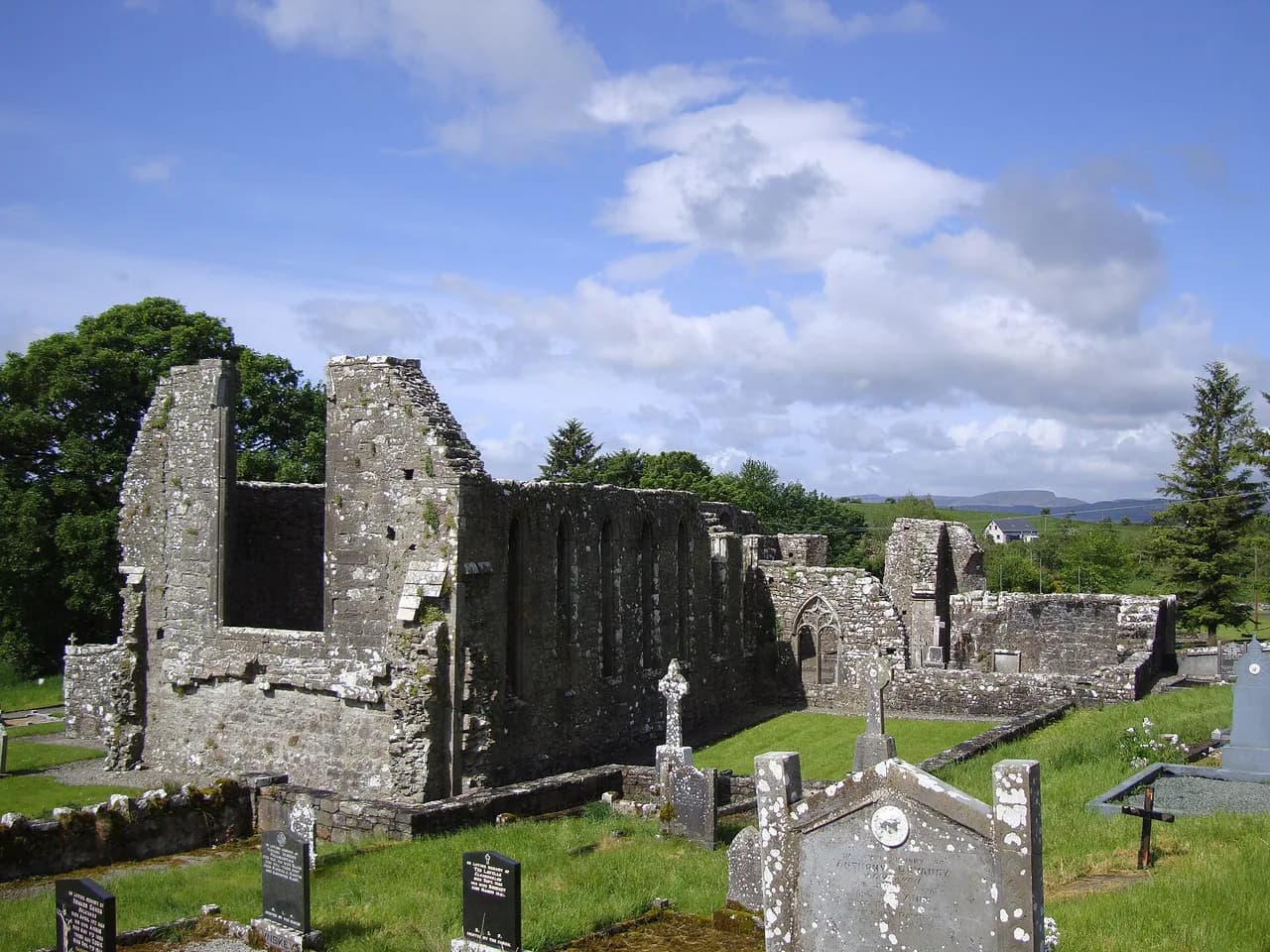
The Michael Davitt Museum is a small museum in the village of Straide, County Mayo, devoted to Michael Davitt (1846-1906), founder of the Irish National Land League. Its unusual advantage is setting: the museum, the medieval Straide Friary ruins beside it and Davitt's grave all sit on one compact site, so a single stop covers the man, the building and the burial ground.
This guide separates what the museum itself publishes from what independent visitors have reported, so you can plan around verified facts rather than assumptions. It deliberately avoids quoting admission prices, opening days or guaranteed tour times, because those details change and should be checked directly with the museum before you set out.
Why a Small Mayo Museum Matters
Davitt's significance lies in land reform rather than in a single battle or treaty, which makes him a useful entry point to nineteenth-century Irish political history. The museum's own framing places him as a social reformer and international activist as well as a Mayo man, and the collection is built around his life and legacy rather than around a wider county narrative. For the city where he died and where much of that political story played out, a [[Dublin heritage guide]] can anchor the landmarks that frame this period.
For travellers following the broader story of Irish independence, the Land League is an earlier chapter than the armed conflict of the 1919-1921 period covered in our guide to the irish war of independence. Seeing how tenant agitation and constitutional pressure developed before the revolutionary decade helps explain the politics that later shaped the independence movement and the split that followed it into the irish civil war.
Getting Your Bearings in Straide
The museum describes itself as standing on the N58, the road it gives as connecting Castlebar, about 15km away, and Foxford, about 8km away. Treat those distances as the museum's own location description rather than as tested driving times, and use a current map for the final approach into the village.
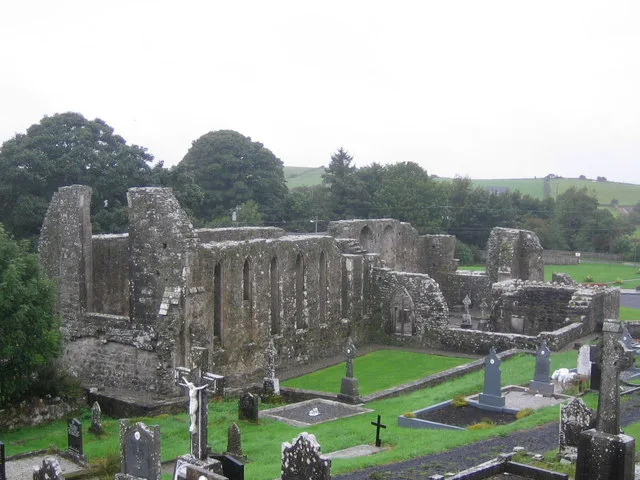
On the ground the parts of the site relate closely: the museum occupies a restored church, the friary ruins stand adjoining it, and the grave lies behind the building. One independent account describes the church as restored specifically to house the museum, with the abbey ruins alongside.
Because the ruins and graveyard are described as part of the museum's immediate surroundings, plan your look at them around your museum visit rather than as a separate stop. Do not assume the burial ground is open independently of the museum's arrangements.
Inside the Building: The Collection
The operator describes a collection of original documents, letters, Land Acts, photographs and postcards, alongside other items connected to Davitt's life. A visitor account also mentions artefacts donated by Davitt's family, which is consistent with the museum's stated focus on authentic material rather than reproductions.
A visitor account from a 2025 guided tour gives a sense of the displays, noting keys from Sligo Gaol among the items on show. Read that as one person's observation of a particular visit rather than a fixed inventory, since small museums rotate and rearrange material.
The same visitor reported that the building is the former church where Davitt was baptised and where his parents married. That detail is worth treating cautiously: it comes from a single visitor's account of a guided tour rather than from the museum's published text, so ask a guide to confirm it on the day.
The Comic as a Family Entry Point
The museum publishes a Michael Davitt Comic, illustrated by Moone Clancy, which retells his story for younger audiences through visuals and storytelling. For families, it offers a way into a subject built on land law and parliamentary pressure, which can otherwise be dense for children.
Consider reading or buying the comic before walking the displays, so younger visitors have a narrative frame for the documents and photographs. Whether it is stocked on any given day is a question for the museum rather than something to assume from its website.
Davitt's Life in Brief
Michael Davitt was born in Straide on 25 March 1846, the second of five children, at the height of the Famine. His family was evicted when he was four and emigrated to Haslingden in Lancashire, a sequence that shaped his later focus on land and tenant security.
At eleven he was injured in a cotton mill and lost an arm; he later joined the Fenian movement, was arrested in 1870 and served about seven years of a fifteen-year sentence before release. He died in Dublin on 30 May 1906 and was buried at Straide Abbey, where a large crowd attended the funeral.
That biography explains why the museum's centre of gravity is land and social justice rather than military history. It also places Davitt in a longer tradition of Irish radical politics, one that runs back through the United Irishmen of wolfe tone ireland and the risings that followed, if you want to trace how agitation moved from arms to organisation.
From Prison to Land Reform
The Land League is the museum's central subject, and the campaign's demands are often summarised as the three Fs: fair rent, fixity of tenure and free sale. The visitor account records these being explained on tour, which makes them a practical handle for understanding what the League actually sought.
Independent accounts also credit Davitt with turning away from violence after his imprisonment and toward agitation and organisation, including the founding of the Land League. Read that as an interpretation offered by the museum and by historians rather than as a claim any single exhibit sets out to prove.
Beyond the Man: Women of the Land League
Tour content varies, and the 2025 visit happened to coincide with International Women's Day, so the guide focused on the Ladies' Land League and on Fanny and Anna Parnell. The account describes how the women's organisation took over meetings and rent-withholding campaigns when the men's leadership was imprisoned.
The same tour included Anne Deane, whose grave in the friary and headstone, erected by her cousin John Dillon, were pointed out. These are guide-dependent details: ask on arrival whether the day's tour touches on the women's organisation, rather than expecting a fixed script.
The Friary and Graveyard
Straide Friary is described as a thirteenth-century monastery with medieval carvings, standing beside the museum and holding Davitt's grave. The site pairs the reformer's burial place with much older stonework, which is why the outdoor portion rewards a slower look rather than a quick photograph.
Davitt's grave is reported to carry a Celtic Cross with an inscription about hungering and thirsting after justice; that detail comes from one independent account rather than the museum's own text. Carved features elsewhere, such as a pelican carving or the Matchstick Man gravestone, were pointed out by a guide during a 2025 tour and should not be treated as signposted features of every visit.
What a Guided Tour Has Looked Like
The museum advertises guided tours running every hour on the hour, with the last tour at 4.00 p.m., but treat that as an advertised pattern rather than a promise for your date. The visitor described a tour that began with a short video before moving through the displays and out to the grave and ruins.
A guide-led format means the depth of your visit depends heavily on the person leading it, and question-and-answer time is often the most useful part. If you have a particular interest, such as the women's organisation or the land acts, raise it at the start rather than at the door.
Practical Signals Before You Travel
The museum's website has shown its online booking service as temporarily unavailable, which is a problem with the booking channel and not a statement that the museum is shut. Confirm tour times and booking arrangements directly before travelling, particularly if you are making a long detour to reach Straide.
Admission charges, opening days, accessibility and facilities are all details to verify with the museum itself; none are asserted here. If you are building a wider programme of heritage stops, county museums elsewhere, such as the cavan county museum or the donegal county museum, show how local collections interpret the same period and are worth comparing.
Pairing the Visit with Nearby Stops
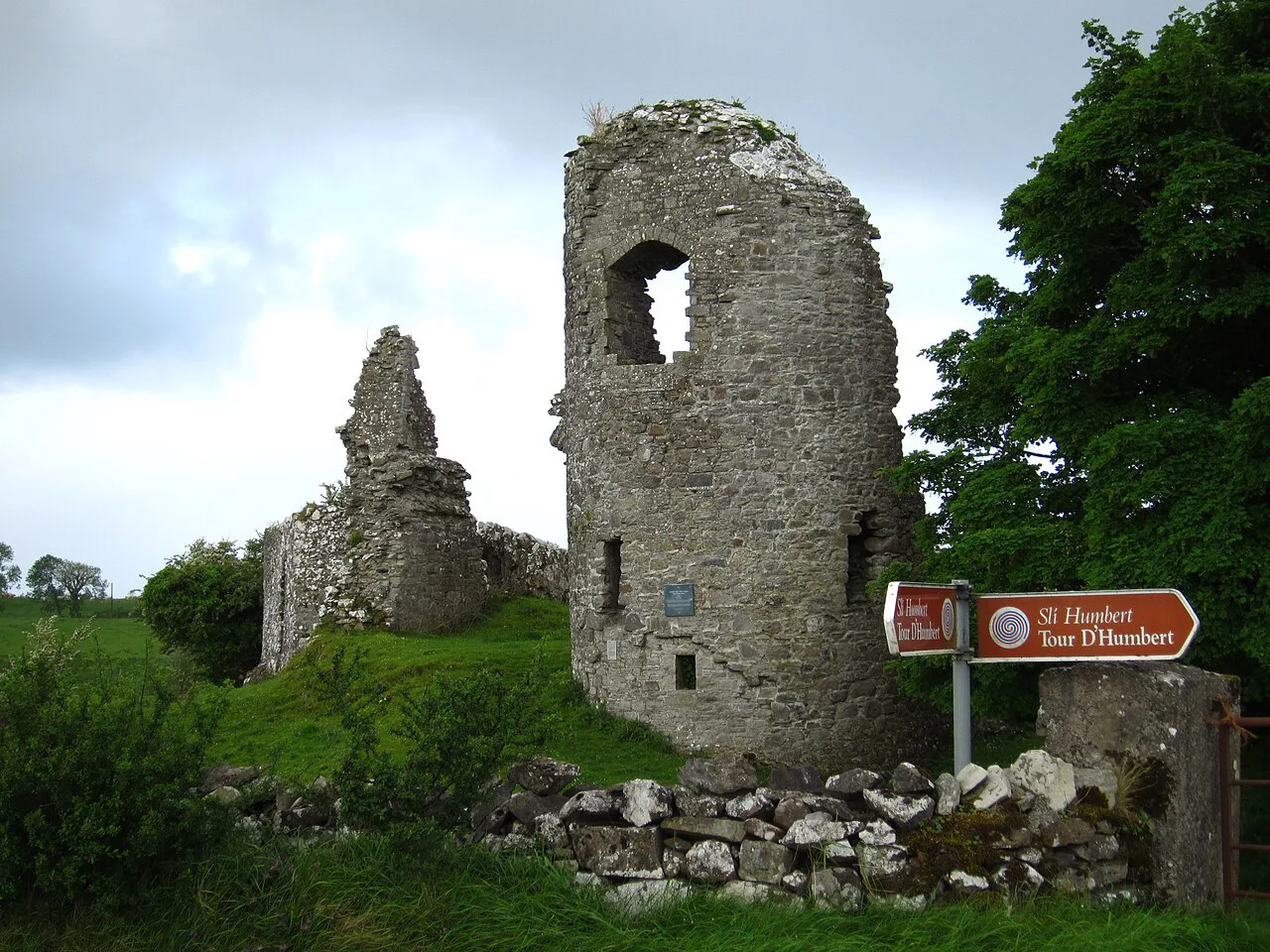
Foxford, roughly 8km from Straide by the museum's own description, is the natural companion stop, and the visitor combined the museum with Foxford after the tour. Ballylahan Castle also appears in that account, but it was described as standing in a field reached over a gate, so it should not be treated as an official visitor attraction or an invitation to cross private land.
If castle architecture is the draw, look instead to sites with clear public access, such as the castles in county galway, and check opening arrangements before relying on any of them. Ruins viewed from a road are not the same experience as a managed monument.
Plan Your Visit
The Michael Davitt Museum suits travellers interested in land, law and social change, and it works best when you allow time for the grave and friary as well as the displays. Because advertised tour times and the online booking channel can change, confirm both directly before you travel, and check admission details at the same time.
For the wider story, compare how other Irish institutions present the revolutionary period, and treat each small museum as an interpretation rather than a complete account. For another heritage guide, read about Jackie Clarke Collection.
Explore more Ireland guides
Frequently Asked Questions
Where is the Michael Davitt Museum?
It is in the village of Straide in County Mayo, on the N58, which the museum describes as linking Castlebar and Foxford. The museum, the Straide Friary ruins and Davitt's grave sit together on one site, so you can see all three in a single stop. Use a current map for the final approach rather than relying on stated distances.
What can I see inside the museum?
The museum describes a collection of original documents, letters, Land Acts, photographs and postcards connected to Davitt's life, along with other artefacts. A visitor reported keys from Sligo Gaol on display during a guided tour. Displays can change, so ask a guide what is currently on show if you have a specific interest.
Is Michael Davitt buried at Straide?
Yes. Davitt died in Dublin on 30 May 1906 and was buried at Straide Abbey, where his grave and a Celtic Cross stand behind the museum building. The funeral drew a large crowd, according to a county heritage account. Access to the graveyard should be arranged as part of your museum visit rather than assumed independently.
Do I need to book in advance?
The museum advertises hourly guided tours with a last tour at 4.00 p.m., but its online booking service has shown as temporarily unavailable. That is a booking issue, not a closure notice. Contact the museum directly to confirm tour times and whether you should book before you travel.
How long should I allow for a visit?
Allow extra time beyond the tour itself if you want to see the grave and the friary ruins properly, since those are outdoors and guide-dependent in what gets pointed out. A single guided tour plus a walk around the site is the realistic shape of a stop here, but the museum has not published a fixed duration.
What else is nearby?
Foxford is the closest natural companion stop, described by the museum as about 8km from Straide. Ballylahan Castle appears in a visitor account but stands in a field and is not presented as a managed attraction, so do not cross private land to reach it. Check access arrangements before adding any nearby ruin to your route.
Sources
- Home - Michael Davitt Museum
- Life of Michael Davitt, Michael Davitt Museum, Straide, Foxford, County Mayo, Ireland · museumsofmayo.com
- Michael Davitt Museum | Roaringwater Journal
- A Morning in Mayo: The Michael Davitt Museum, Ballylahan Castle, The Matchstick Man Grave, and More. – Magnumlady's Blog
You might also like



Continue reading
More guides you'll find useful





