
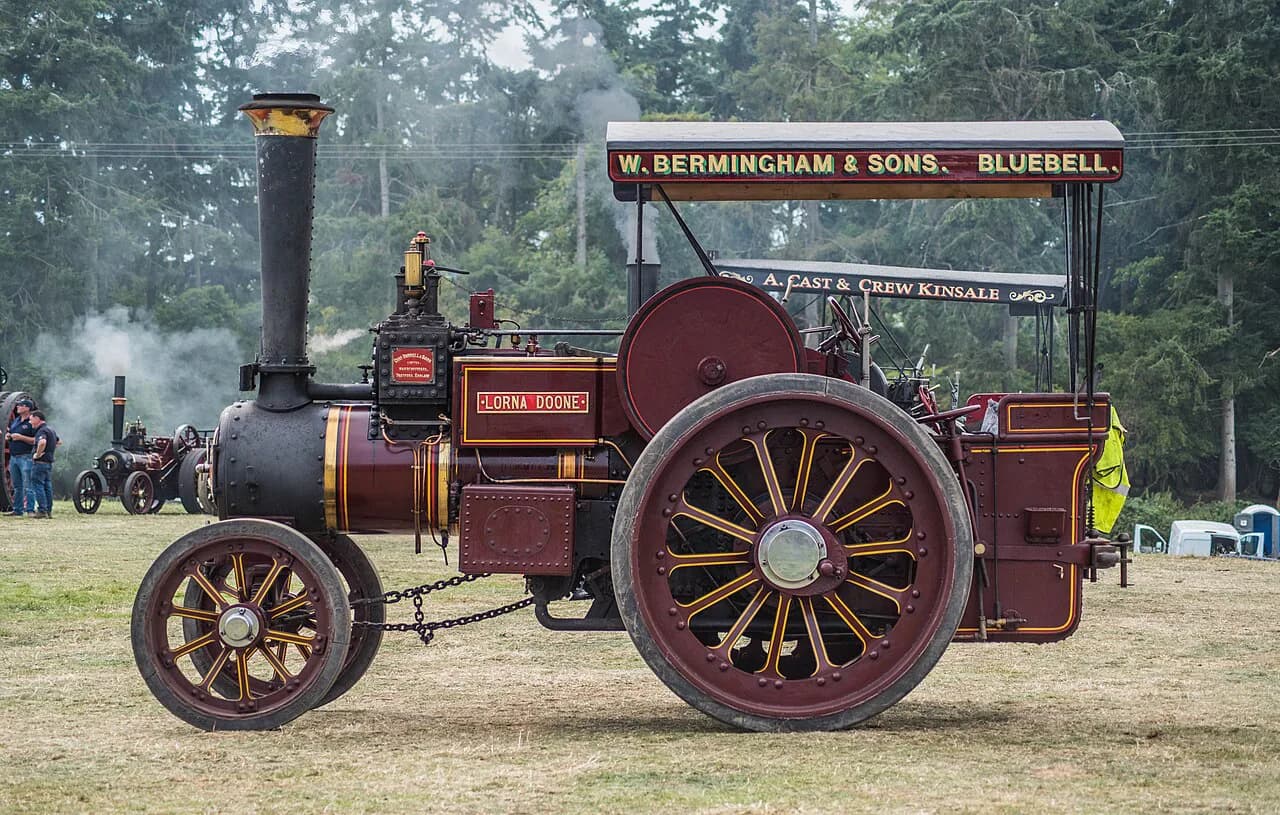
Moynalty Steam Threshing Museum: Visiting the Meath Collection
Plan a visit to the Moynalty Steam Threshing Museum in County Meath, from the artefacts collection to tour bookings and festival-day viewing.
On this page
The Moynalty Steam Threshing Museum is the collection and parkland venue of the Moynalty Steam Threshing Committee, set in the heart of Moynalty village near Kells, County Meath. The operator gives the venue address as Moynalty Steam Threshing, Moynalty, Kells, Co. Meath, A82C6K7, and places the festival grounds within the museum and parkland site rather than at a separate attraction.
Visitors should understand one thing first: the operator does not publish standing year-round opening hours for the museum. The collection is described as open for viewing on the festival day, and tours are arranged by contacting the office, so a phone call before travelling is the practical starting point.
Where the Museum Sits in Moynalty
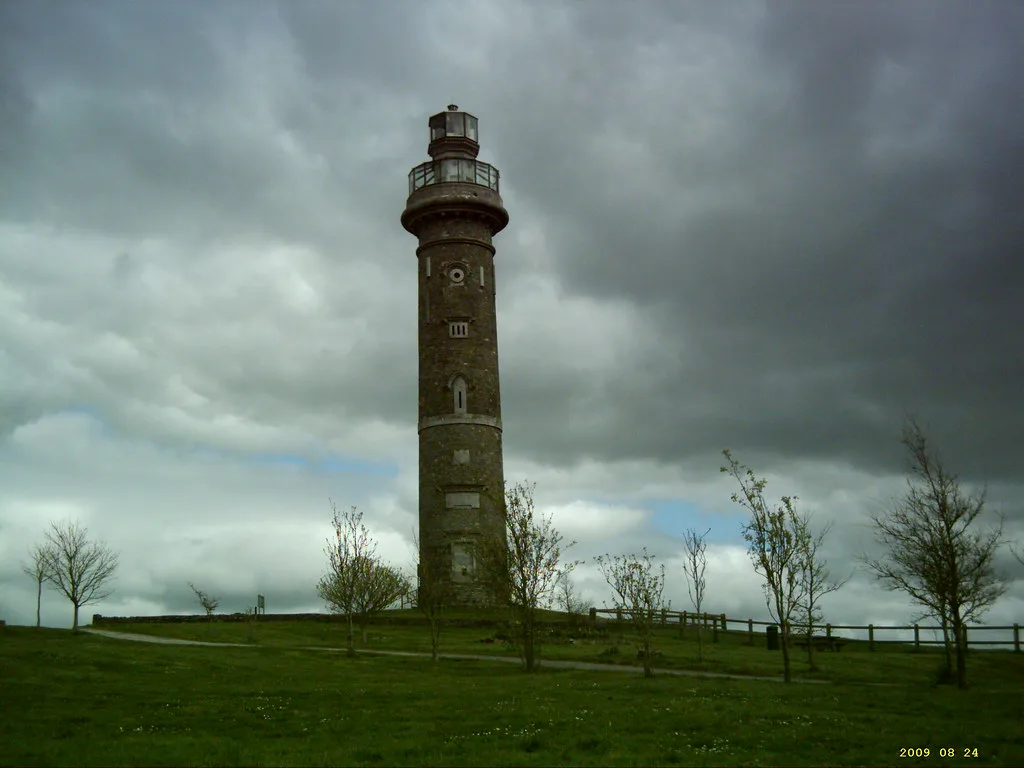
Moynalty is a small village in County Meath, and the museum and parkland occupy ground in the village itself. The operator identifies the festival grounds as the grounds of the Moynalty Steam Threshing Museum and parkland in the heart of the village, which means the collection and the demonstration field belong to one venue. That layout matters when you plan a visit. If your Meath itinerary stretches further, the guide to ancient sites ireland shows how other heritage stops in the region are arranged.
For navigation, the postcode A82C6K7 and the Kells address are the details the operator provides. The sources do not cover public transport links or visitor facilities outside event days, so plan your own approach to the village. Beyond the county, the wider story of Irish making is covered in the guide to Irish Traditional Crafts, of which this collection forms a rural-working strand. If you are extending the trip west of Meath, the guide to castles in county galway covers another category of heritage site with its own access arrangements.
Why the Collection Exists: Steam Threshing and Rural Work
The museum exists because of farming practices the operator calls vanishing: threshing grain with steam power, alongside reaping and binding by hand and by horse. The operator's festival programme frames the demonstrations with horse and steam power, reaping and binding, threshing and flailing presented side by side. Understanding that vocabulary is the key to reading the collection, because the artefacts and memorabilia belong to a working world rather than a decorative one. Readers extending a Meath itinerary toward the Boyne can weigh this stop against the region's older heritage through the guide to ancient sites ireland.
The Meath Chronicle reported that the festival began in 1975, which gives the gathering a long local history; that is the newspaper's dating of the event, not an operator-confirmed museum founding date. The same report carried the newspaper's own characterisation of the festival as a highlight of the local calendar. Treat praise of that kind as journalism rather than as an official grading.
The Artefacts and Memorabilia: What Is Documented
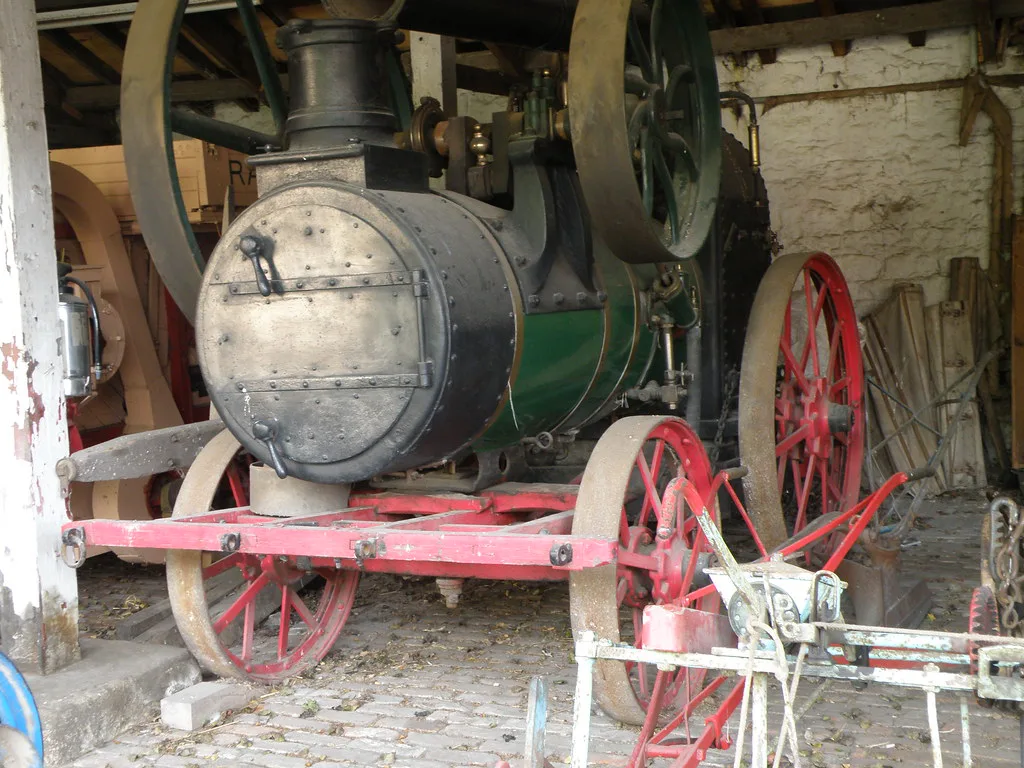
Both the operator and the Meath Chronicle describe the museum as a collection of artefacts and memorabilia, and both say it is open for viewing on the festival day. Neither source itemises particular exhibits, so a visitor should expect a modest, locally assembled display tied to rural work rather than a national museum with catalogued galleries. Reading it as a local collection of memorabilia is the accurate expectation.
That modesty is part of the appeal: the collection sits with the demonstrations that explain it, so museum viewing and the threshing displays can form one coherent festival-day visit. Visitors accustomed to catalogued galleries should adjust their expectations, since the sources describe the collection only in general terms. For a different register of Irish making, the pottery traditions covered in the irish pottery guide show how craft collections vary in scale across the country.
When to See the Museum: The Festival
The main documented occasion for seeing the collection is the annual festival. The operator described the 2026 event as the 51st annual gathering, held on Sunday 9 August 2026 in the grounds of the museum and parkland, with a separate Saturday 8 August programme. For the festival the operator stated gates open from 9am to 7pm, with general admission of €20 and tickets available at the gate or in advance via Eventbrite. Those particulars are dated to the 2026 event and should not be assumed for any other year or for museum visits generally.
The newspaper preview also described the museum as open for viewing on the festival day and noted free car parking at the event. It reported that Moynalty village would be closed to all traffic from 4pm until 11pm on the Saturday for the street carnival, a detail worth checking in the current programme. Festival amenities such as parking and amusements belong to that event, not to the museum as a standing offer.
Booking a Museum Tour by Phone
Outside the festival, the operator's route to the collection is a museum tour arranged through the office. The bookings page asks visitors to contact the office to book museum tours and prints the number 046 9244810, the same line used for press enquiries. No online booking system, fixed tour schedule or tour price is stated in the published material, so do not rely on a web form or assume a walk-in welcome.
A useful call covers four questions: whether a tour can be arranged for your dates, how long it lasts, what it includes and whether a group is required. Ask about parking and access at the same time, because the sources do not describe either for non-event days. If the office cannot accommodate you, the festival remains the documented alternative, and the wider calendar of craft sites gives options for a longer heritage itinerary; as one example, irish pottery traditions illustrate a different register of Irish making.
The Grounds as a Living-History Setting
On festival days the parkland becomes a demonstration ground rather than a static display. The 2026 programme, as reported, listed steam-powered threshing driven by more than 40 operational steam engines, corn cutting with horse-drawn equipment, vintage ploughing, and a historic road-making re-enactment. It also named a blacksmith arena with forging, basket weaving, wood turning, tin craft and harness making, which together show the rural economy that surrounded the threshing field.
The operator's own listing adds a second International Farrier Competition, a Queen of Steam competition, a scaled thatched cottage display and a craft and trade fair, with music on the main stage across the day. The trade fair and stalls are event commerce rather than museum holdings, and the named performers belong to the 2026 billing. Read the programme as a snapshot of one year's gathering, not as a fixed menu that repeats annually.
Trade-Offs: Festival Day or a Quiet Tour
The festival gives you the collection at its fullest: the museum open, the engines running, craftsmen at work and the grounds busy with stalls and crowds. The cost is exactly that busyness, with dated admission, gate times, road closures and a programme you must check for the year you travel. It suits visitors who want atmosphere and demonstrations and can tolerate noise and queues.
A tour arranged by phone may offer a quieter look at the site than the festival, but the sources do not confirm that the artefacts collection will be open outside the festival day, or that engines will be running or craftsmen present. The trade-off is potential calm against the festival's guaranteed spectacle, and the decision depends on what the office can confirm for your dates. For visitors whose interest lies in handmade objects more broadly, the traditions gathered in the irish folk art guide offer a complementary lens on Irish rural making.
Before You Travel: A Short Checklist
Phone the office on 046 9244810 to confirm whether the museum can be viewed on your dates and whether a tour can be arranged. Ask what you will see and how long to allow, since the sources describe the collection only in general terms. If you are travelling for the festival, check the current year's date, gate times and ticket arrangements with the operator rather than relying on the 2026 particulars.
Set the address in your navigation as Moynalty, Kells, Co. Meath, A82C6K7, and plan your own transport to the village. The operator describes Moynalty as a picturesque town and situates the site in the heart of it, so the surrounding village is part of the visit.
A Modest Collection with a Working Heart
The Moynalty Steam Threshing Museum is best understood as a community collection with a living demonstration attached, not as a year-round visitor attraction with published hours. Its artefacts and memorabilia sit within the grounds the committee uses each year to show steam threshing, reaping, binding and rural crafts in action. Plan around confirmed access rather than assumed opening.
Your practical steps are simple: ring the office to ask about a tour, check the current year's festival programme before booking travel, and treat the 2026 gate times and admission as dated particulars. Visitors building a broader craft itinerary can compare the dry-stone building traditions described in the irish dry stone walls guide, another rural skill where the landscape itself is part of the record.
Explore more Ireland guides
Frequently Asked Questions
Is the Moynalty Steam Threshing Museum open all year?
The operator does not publish year-round opening hours. Both the committee and the Meath Chronicle describe the museum as open for viewing on the festival day, and tours are arranged through the office. Phone 046 9244810 to confirm access for your dates before travelling.
How do I book a tour of the museum?
The operator's museum bookings page asks visitors to contact the office to arrange museum tours and gives the phone number 046 9244810. No online booking system, fixed tour times or tour prices are published, so telephone the office and ask what a tour includes.
Where exactly is the museum located?
The operator gives the venue address as Moynalty Steam Threshing, Moynalty, Kells, Co. Meath, Ireland, A82C6K7. The grounds are described as lying in the heart of Moynalty village, and the festival is held on the museum and parkland site rather than at a separate attraction.
What will I see in the collection?
The sources describe a museum of artefacts and memorabilia connected to vanishing rural work practices. Neither the operator nor the newspaper itemises individual exhibits, so expect a modest local display rather than catalogued galleries. Ask the office what is currently on view when you call.
Is the museum visit tied to the festival?
Festival-day viewing is the occasion both the operator and the Meath Chronicle document, and the 2026 event was reported as the 51st annual gathering on 9 August 2026 with a Saturday programme on 8 August. Outside that event, access depends on a tour arranged with the office.
How much does it cost to visit the museum?
No museum admission or tour price is published. The operator printed a general admission figure for the 2026 festival, which applied to that dated event rather than to museum visits generally. Confirm any charge with the office when you arrange a tour.
Sources
You might also like



Continue reading
More guides you'll find useful



