
Ballyhack Castle Guide: Tower House, Defences and Nearby Sites
Ballyhack Castle in County Wexford is closed until 2027. Read its defences, chapel and replica armour, then plan around open Heritage Ireland sites nearby.
On this page
Ballyhack Castle is not open to visitors: Heritage Ireland, which manages the site, carries a notice that it is closed until 2027. That single fact should shape any plan. For now, a visit means reading the tower from the locality rather than climbing its stairs, and spending the day at nearby sites that welcome the public.
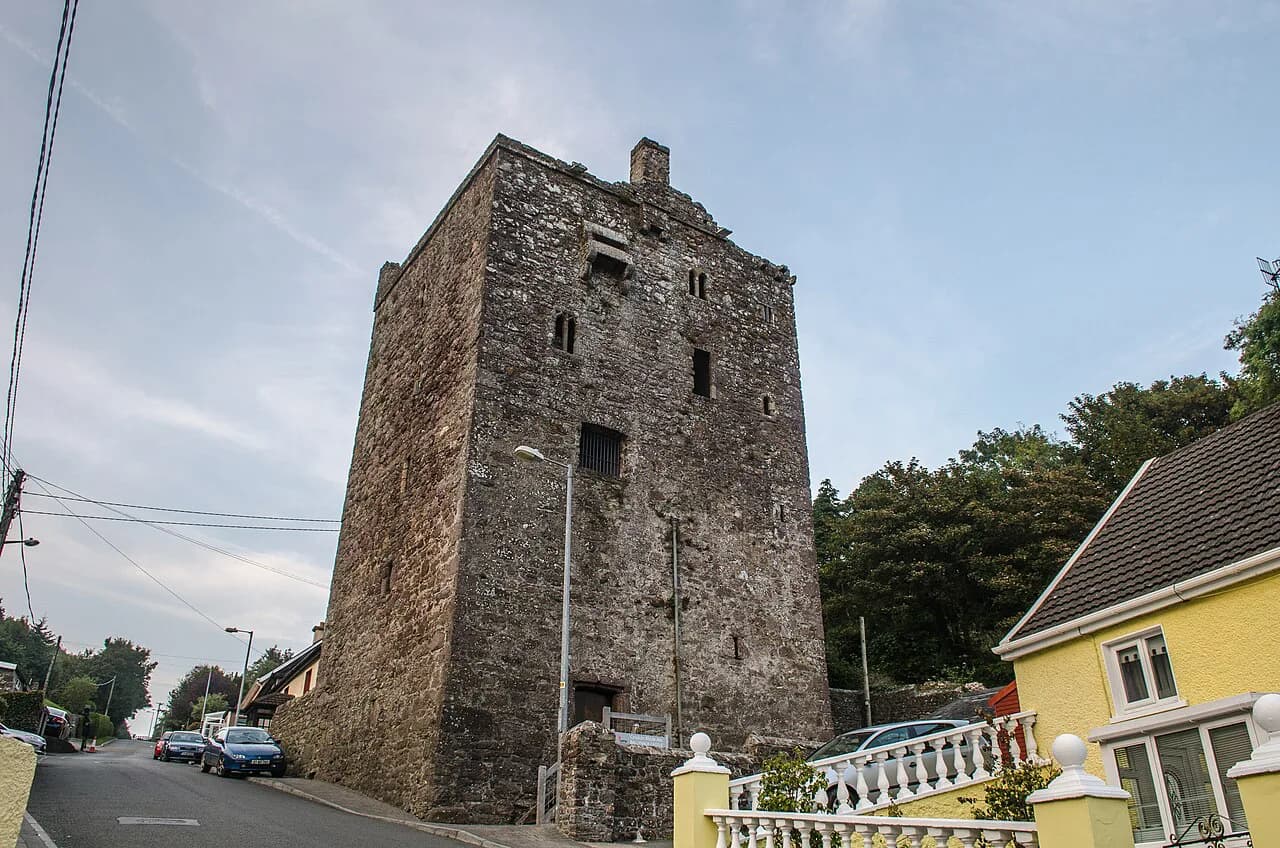
What remains available is the record. The operator describes a five-storey tower house on a steep-sided valley above Waterford Estuary, with walls complete to the wall walk, a small chapel and a display of replica armour. Because the interior is shut, this guide separates what is documented about the tower from what you can actually do on the ground.
Where Ballyhack Castle Stands
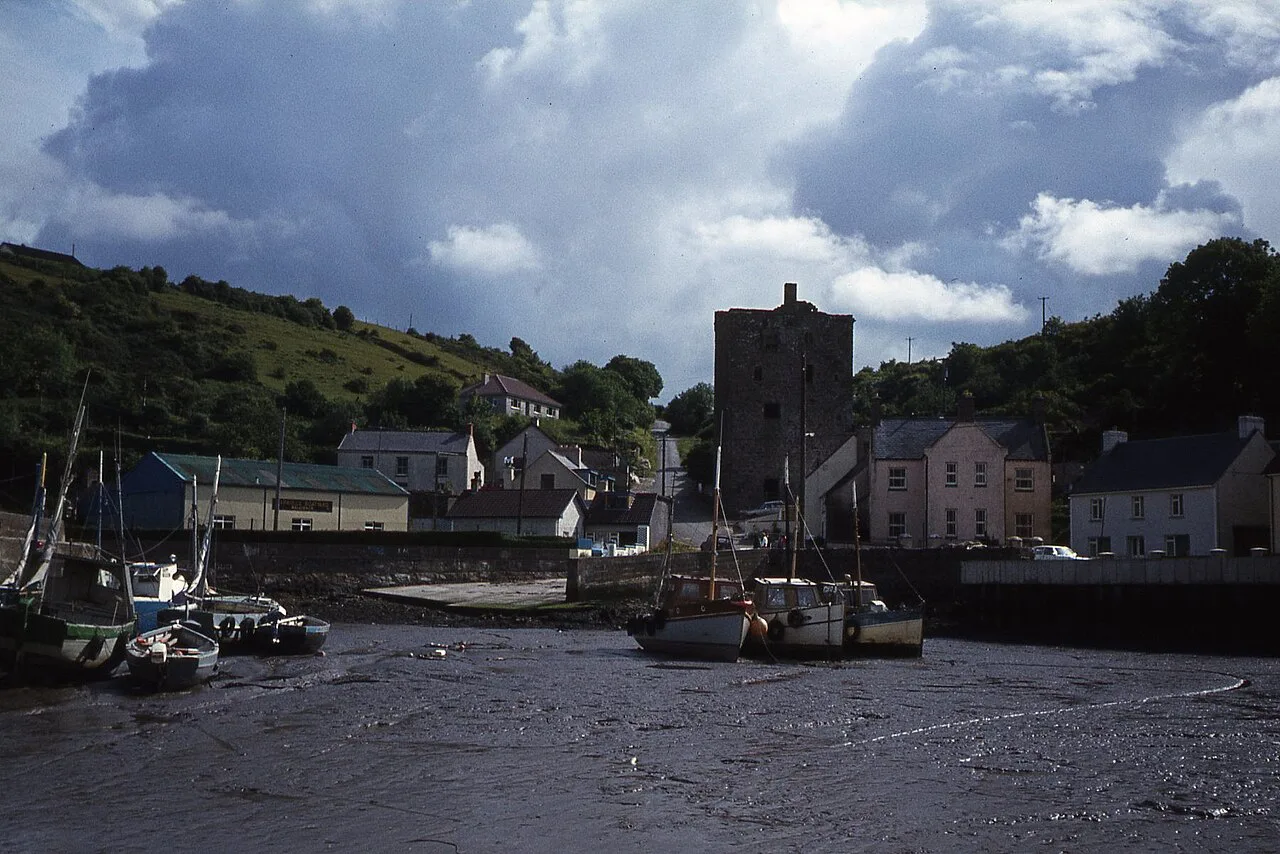
The castle occupies a commanding position on a steep-sided valley overlooking Waterford Estuary. The operator's description stops at that estuary setting, so treat any wider strategic reading as interpretation rather than documented fact. Look at the lie of the land before you look at the stone.
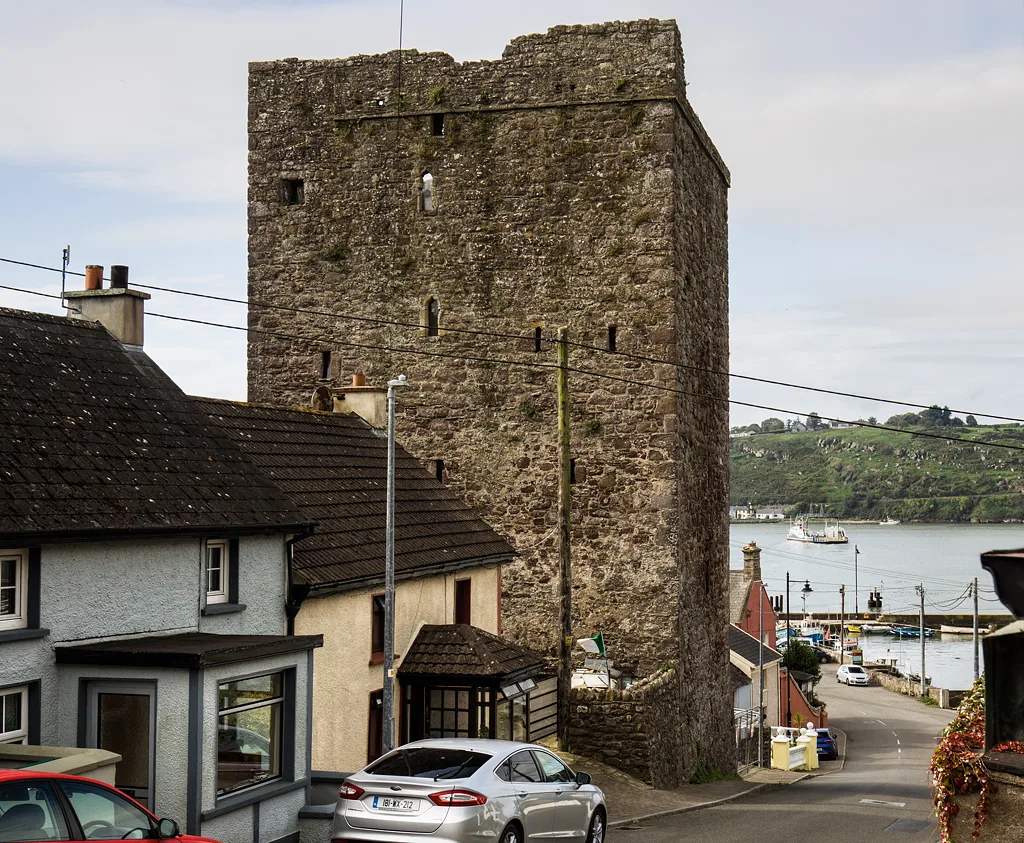
The tower is five storeys tall, and the walls survive complete up to the wall walk — the parapet level where defenders could stand along the top. Compact, vertical and meant to be seen, it is a useful study in how these buildings were conceived. For wider context on this building type across the country, see these Irish Tower Houses and compare forms, plans and siting.
Origins: What the Record Says
Heritage Ireland states that the castle is thought to have been built around 1450 by the Knights Hospitallers of St John, one of the two great military orders founded at the time of the Crusades. Note the hedge: this is the operator's attribution, not a documented certainty. Treat the Hospitaller link and the mid-fifteenth-century date as the accepted account rather than settled fact, and be wary of retellings that flatten the uncertainty.
A defended tower associated with a military order is one pattern among many, which is part of why comparisons repay attention. A contrasting example is Adare Castle, where a riverside castle in County Limerick shows how defensive architecture adapted to a different landscape and patron; the same Limerick heritage guide covers the city's museum collections.
The Defences You Can Read From the Record
Several of Ballyhack's defensive features are described as visible elements of the outer walls, so they are worth knowing about even while the site is shut. The machicolation projects at fourth-floor level, an overhanging gallery from which missiles could be dropped on anyone at the base. Narrow arrow loops puncture the walls, and a carved face is set into the outer stonework.
Whether you can get close enough to see any of this is not something the operator's page addresses during the closure, so treat exterior viewing as uncertain rather than promised. Do not plan a trip whose success depends on inspecting carved stonework at close range. The honest approach is to note the features, then build the day around sites with published opening arrangements.
The Entrance, the Murder Hole and the Musket Hole
The doorway was designed as a killing zone. Outside, the entrance is protected by the machicolation overhead; inside, a murder hole sits directly within the doorway, an opening through which defenders could drop stones or pour scalding material on anyone who got through. The layers were sequential: stop attackers outside, and if that failed, stop them in the passage.
Later occupants added their own answer to changing weapons. A musket hole was cut during the seventeenth century, allowing a firearm to be aimed from within the walls — a small alteration that speaks to centuries of use rather than a single moment of construction. Read together with the medieval defences, it shows a building repeatedly adapted rather than frozen at its founding.
Inside the Tower, as Described
The interior is characterised by heavy stonework and tight circulation. An oubliette — a dungeon pit — served as a strong room where captives or offenders were held. Two garderobes, the medieval equivalent of toilets, are built into the walls, and part of the interest for visitors on reopening would be working out where their discharges exited.
On the first floor, a barrel-vaulted ceiling survives remarkably well, and the marks of the wickerwork used to form it can still be made out. That kind of construction detail is easy to walk past; knowing it exists is what makes a short interior visit worthwhile. All of this is documentation for now — the site is closed, and none of it is currently on view.
The Chapel
A small chapel is built into the north-east wall on the second floor, fitted with a piscina for washing vessels used in services, an aumbry for storing them, and an altar shelf. A chapel inside a fortified tower is not a contradiction: it served the household's religious needs within the same defensible shell as the storerooms and living quarters.
The Armour Display and Admission
Heritage Ireland notes that replica armour relating to the Crusades and the Normans is displayed at the castle. It is a replica collection, not original battlefield equipment, and the operator's description goes no further than that. The site is also listed with free admission — a detail that only becomes useful once visits resume, not something to plan around now.
Because the closure notice governs the site, treat the armour and the free entry as future prospects rather than current offers. When planning, check the operator's page for the status of the reopening rather than relying on tourism listings, which restate the site's history but do not set access policy.
The Physical Trade-Off Inside
The upper floors are reached by steep stone stairs, and the doorways are low. That is the reality of a fifteenth-century tower, and the operator flags it plainly. Anyone with limited mobility, a fear of confined spaces or a tendency to misjudge door lintels should weigh the interior carefully; no step-free route or lift is documented, and there is no basis for assuming partial access during the closure.
Tintern Abbey: The Nearest Strong Alternative
Tintern Cistercian Abbey, founded around 1200 by William Marshal on lands held through his marriage to the Irish heiress Isabella de Clare, is the most substantial Heritage Ireland site in this corner of Wexford. The nave, chancel, tower, chapel and cloister still stand, and the Colclough family converted part of the church to living quarters, occupying the site from the sixteenth century into the mid-twentieth. Conservation work here includes measures protecting local bat colonies, and the abbey sits in a woodland setting with walking trails and the restored Colclough Walled Garden.
As retrieved in October 2026, the published 2026 season runs from 5 March to 4 November, with daily opening and last admission 45 minutes before closing; a combined ticket for the abbey and the walled garden is sold at reception. Hours and seasons change, so confirm before travelling. The site is 16 km south of New Ross off the R734, or 29 km from Wexford off the R733.
The John F. Kennedy Arboretum
Near New Ross, the John F. Kennedy Arboretum spreads across 252 hectares on the summit and southern slopes of Slieve Coillte, holding 4,500 types of trees and shrubs from temperate regions worldwide, arranged in 200 forest plots grouped by continent. A lake, an ericaceous garden with hundreds of rhododendrons, a visitor centre exhibition and panoramic summit views make it a very different kind of stop from a stone tower.
Admission is charged: adult €5.00, group/senior €4.00, child/student €3.00 and family €13.00, as listed in October 2026. Guided tours run daily at 12:00 and 15:00 from 1 March to October only. Opening hours vary by season and the separate Slieve Coillte viewing point across the L4027 is weather-dependent, so check both before setting out — coastal fog can erase the view entirely.
Reginald's Tower in Waterford City
Across the estuary in Waterford, Reginald's Tower has been in continuous use for more than 800 years, standing on the site of a wooden Viking fort; the stone tower we see today owes its existence to the Anglo-Normans, who made it the strongest point of the medieval walls. It later served as a mint under King John and as a store for weapons, gunpowder and cannons. Two floors hold a branch of the Waterford Museum of Treasures devoted to the city's Viking heritage, and the climb passes a nineteenth-century prison cell, Viking artefacts and the sword of the Chief Constable whose family were the last residents of the tower.
Plan around the building's constraints: a spiral staircase, a hand-rail requirement and no toilet facilities on site. Seasonal hours apply; in the December–March block the tower opens Wednesday to Sunday 09:30–17:00, with last admission at 16:15, as listed in October 2026. Pair it with the estuary crossing for a day that contrasts a Wexford tower with Waterford's urban defences.
Crossing the Estuary and Sequencing the Day
The Passage East car ferry offers a short crossing from Wexford to County Waterford, and Discover Ireland suggests continuing to Woodstown Beach or Dunmore East. It is a practical way to link the two sides of the water, but it is not an access arrangement for Ballyhack Castle in any form. Check ferry times independently, since no timetable is published in the operator's material.
Sequence the day around opening seasons rather than a fixed route. Tintern's season closes in early November, the arboretum stays open all year with shifting hours, and Reginald's Tower runs on seasonal hours of its own. Build in slack for the estuary crossing, and keep at most one major site per half-day so that a late start or poor visibility does not unravel the plan.
Before You Travel
Check the Heritage Ireland page for Ballyhack Castle before you go: the closure runs until 2027, and the notice is the only reliable statement about when visits might resume. Do not assume the armour display, chapel or upper floors will be viewable in the meantime, and do not plan an itinerary that depends on getting inside the walls.
For the sites that are open, confirm current seasonal hours and any admission charges before setting out, since published schedules and prices are a snapshot rather than a promise. A well-ordered day at Tintern, the arboretum or Reginald's Tower delivers more than a hopeful detour to a locked gate. For another heritage guide, read about Askeaton Castle.
Explore more Ireland guides
Frequently Asked Questions
Is Ballyhack Castle open to visitors?
No. Heritage Ireland lists Ballyhack Castle as closed until 2027, so the interior, the chapel and the replica armour display cannot be visited in the near term. Check the operator's page before planning any trip in that direction, and do not rely on tourism listings, which restate the castle's history but do not set access policy.
When was Ballyhack Castle built and who built it?
Heritage Ireland states that the castle is thought to have been built around 1450 by the Knights Hospitallers of St John, one of the great military orders founded at the time of the Crusades. Treat this as the operator's attribution rather than a settled fact, since the wording itself hedges the origin.
What can you see inside Ballyhack Castle?
According to the operator's description, the tower has five storeys with walls complete to the wall walk, a murder hole inside the doorway, an oubliette used as a strong room, two garderobes, a barrel-vaulted first-floor ceiling bearing wickerwork marks, and a small chapel with a piscina, aumbry and altar shelf. None of this is currently on view because the site is closed until 2027.
Is there an admission charge at Ballyhack Castle?
Heritage Ireland lists the castle with free admission, but that applies only once visits resume. It is not a currently usable offer while the site is closed, so plan around the closure rather than around free entry.
What can I visit nearby while Ballyhack Castle is closed?
Tintern Cistercian Abbey with its Colclough Walled Garden and woodland trails, the John F. Kennedy Arboretum near New Ross with its plant collections and Slieve Coillte views, and Reginald's Tower in Waterford city with its Viking collections are all substantial alternatives. Each has its own season, hours and access constraints, so confirm details before travelling.
How do you get to Ballyhack Castle?
The castle stands above Waterford Estuary. The Passage East car ferry is a short crossing to County Waterford and useful for linking the two sides of the estuary, but it is an onward travel option rather than any kind of access arrangement for the closed castle.
Sources
You might also like



Continue reading
More guides you'll find useful





