
Tullynally Castle: Inside the Pakenham Family Home and Gardens
Tullynally Castle is a lived-in Pakenham home in Westmeath, opened only through guided tours and separate garden visits on seasonal dates.
On this page
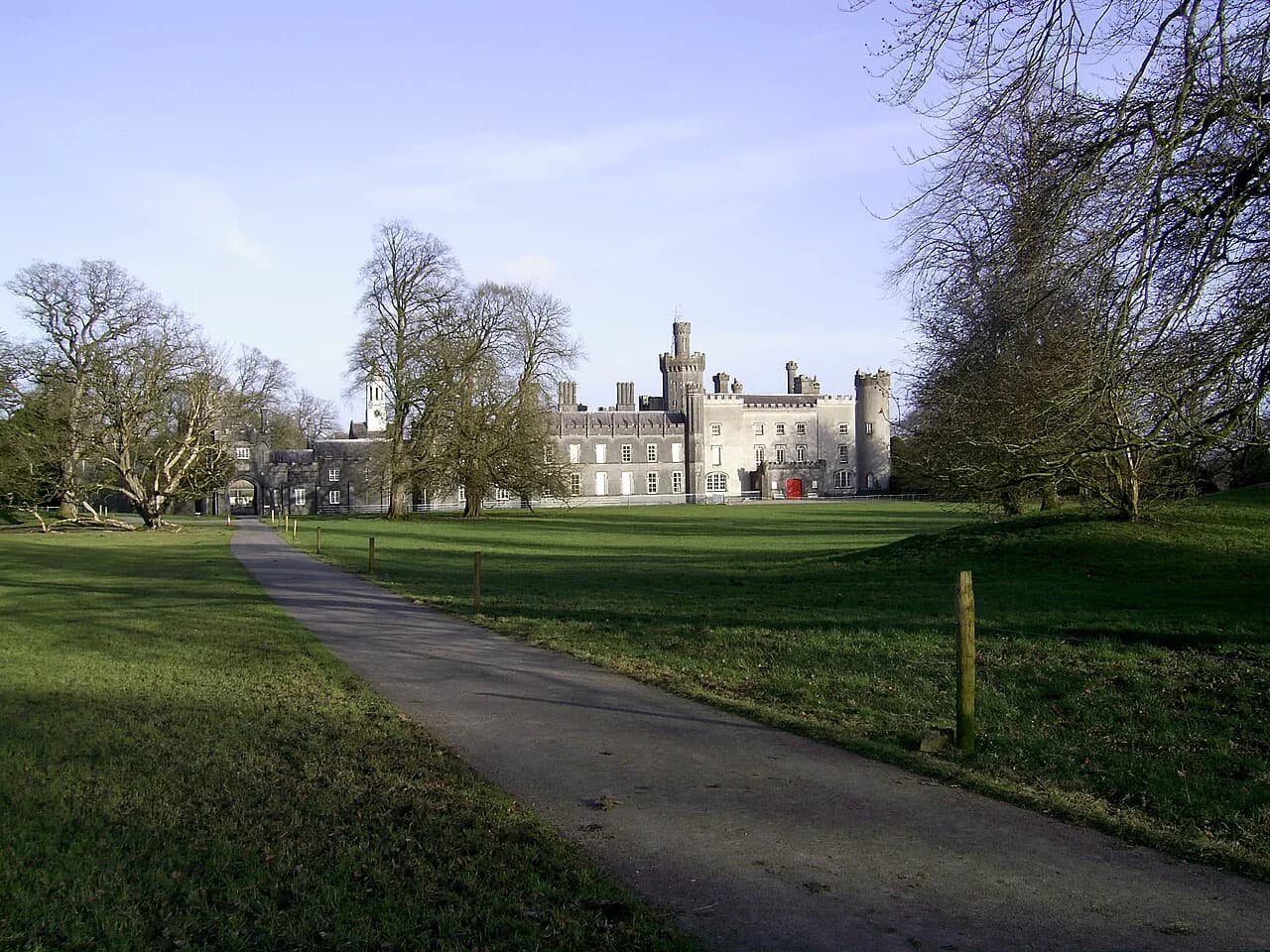
Tullynally Castle is not a museum with everything on show. It is a Gothic Revival house in north-west County Westmeath that the Pakenham family still occupies, and visitors see it in two separate ways: a guided tour of selected main rooms and the Victorian servants' quarters on certain dates, and a garden visit that is arranged and ticketed separately.
That split matters when you plan. The castle tour is short, roughly three-quarters of an hour, is not suitable for children under ten, and rewards booking ahead; the gardens follow their own calendar and their own admission arrangement. Treat them as two decisions rather than one ticket, and check both before travelling.
Where Tullynally Stands
The estate lies in the north-west of County Westmeath, near Castlepollard, in a landscape of gardens and parkland. The operator and the historic houses body both explain the name Tullynally as an adaptation of a phrase meaning the Hill of the Swan, and Historic Houses of Ireland notes that the house stands on that rise above the surrounding countryside.
Visit Westmeath links the hill's name to views toward Lough Derravaragh and to the legend of the Children of Lir, the swan-children of Irish storytelling. That is a name and legend association as the tourism body tells it, not a documented event at the house, so enjoy it as folklore rather than history.
If you are comparing lived-in houses with ruined ones, the contrast is useful: a visitor here sees furnished rooms in use, whereas a bare ruin tells its story through walls alone. For the wider range of Irish fortresses, towers and restored homes, see these castles in ireland.
A Family Home Since the Seventeenth Century
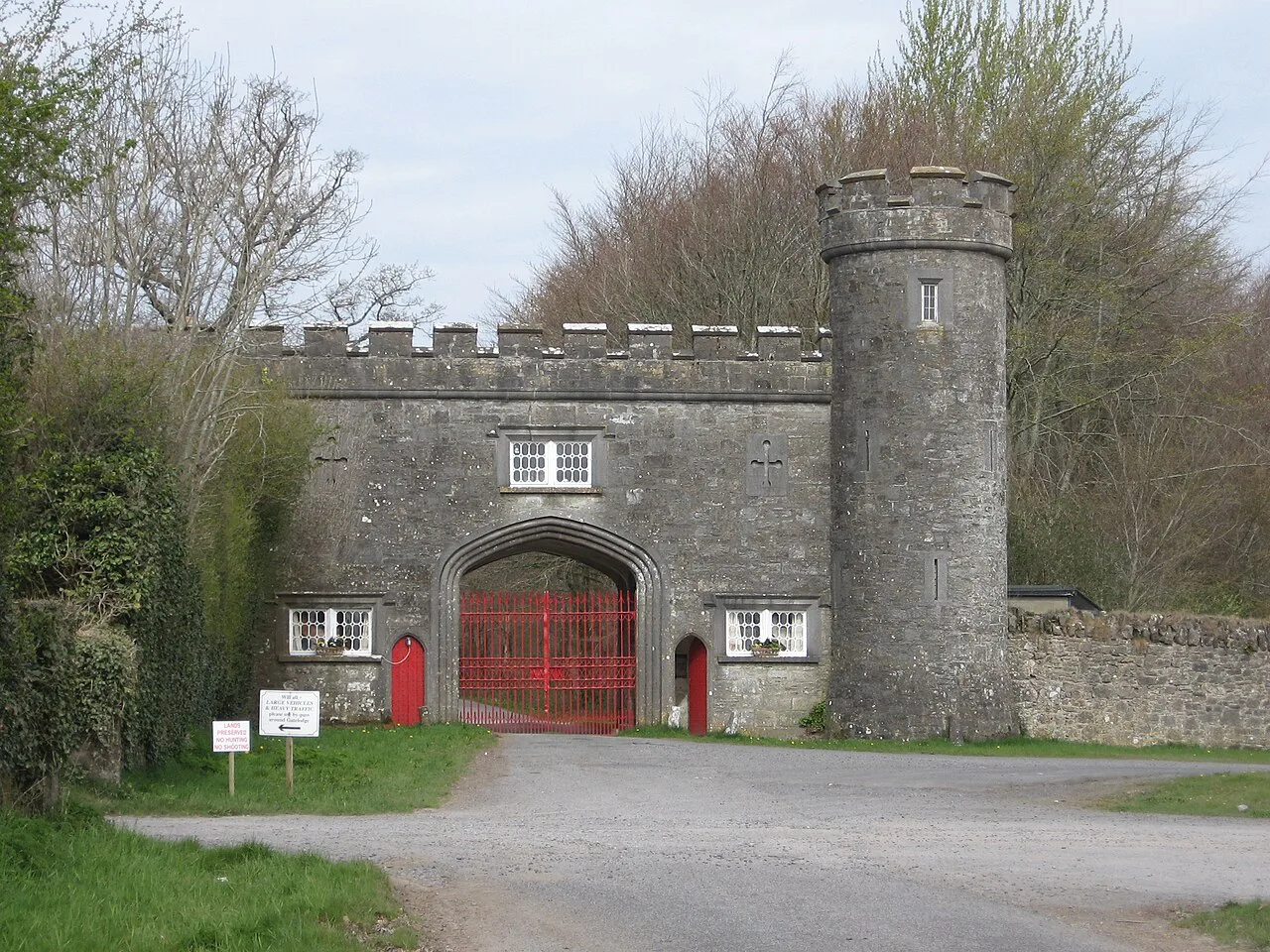
Tullynally has been the Pakenhams' home since 1655, according to the family's own account, and the same source frames the guided tour around several hundred years of family life, including stories of life below stairs. Historic Houses of Ireland notes that the family later became Earls of Longford and that the house is still lived in.
The operator pages differ slightly in how they count the family's time here, describing both more than 350 years and 370 years, so no single anniversary figure should be taken as fixed. What is consistent is the consequence for visitors: because the house is occupied, only the rooms on the guided route are open, and only on tour dates.
That living status also explains the tone of the visit. You are walking through a working home's reception rooms rather than a curated exhibition, which makes the survival of original furniture and pictures bought by the family more striking than it would be in a purpose-built museum.
Reading the Building: From Plantation House to Gothic Revival
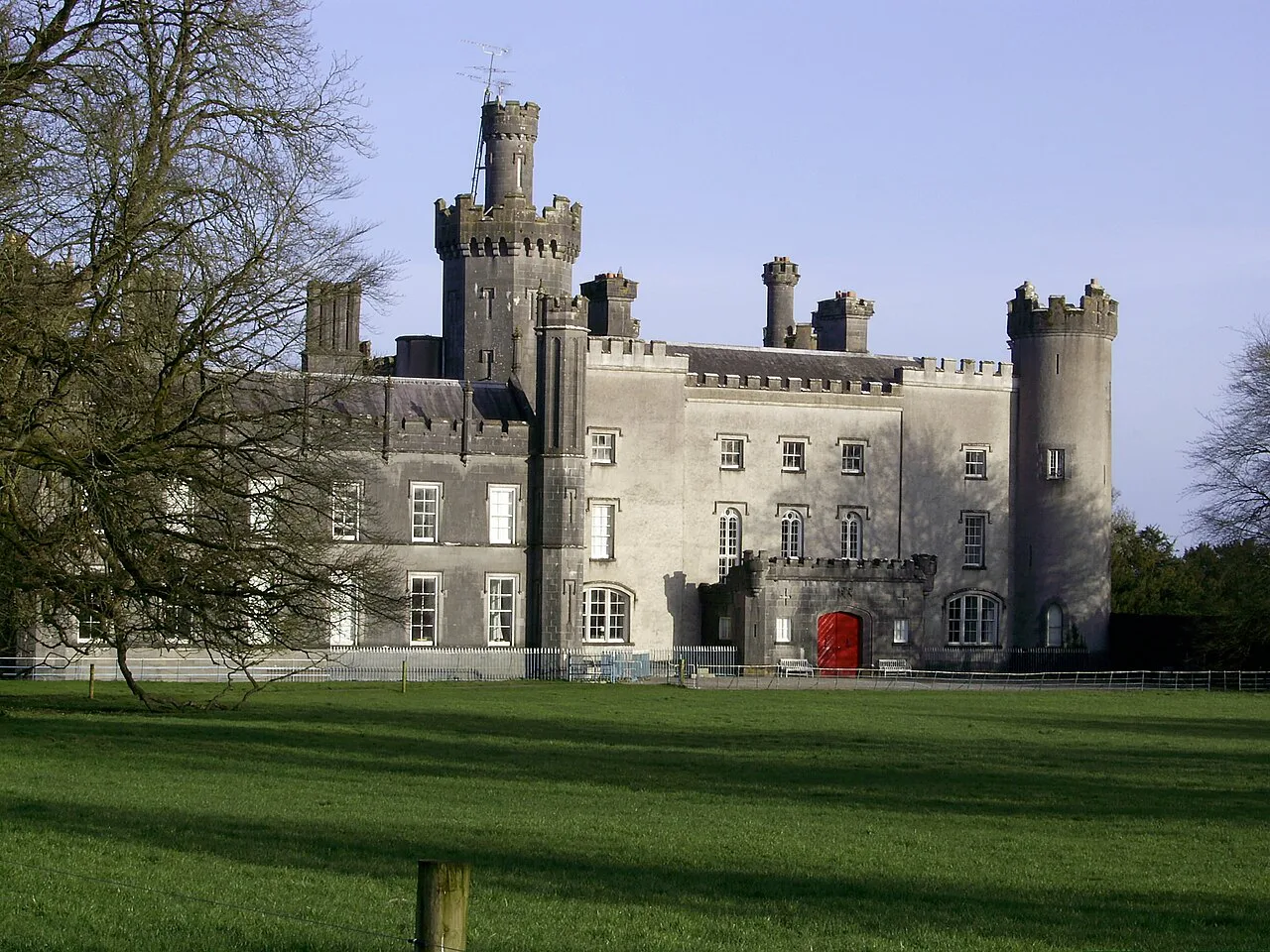
Historic Houses of Ireland traces the building's evolution: a plain, semi-fortified plantation house became a regular Georgian house, then was transformed by Francis Johnston in 1803. In the 1840s the third Earl added two large wings and a central tower to designs by Sir Richard Morrison, producing the sprawling Gothic Revival silhouette seen today.
Knowing those phases helps you read the exterior. The nineteenth-century Gothic work gives the castle its castellated, romantic character, while the principal rooms inside are described as largely dating from the earliest nineteenth-century remodelling, so the decorative language outside and in is broadly of the same era.
Gothic Revival mansion or bare medieval tower house are different visitor experiences rather than points on one scale. If battlements and weathered stone are what you want, the castle ruins ireland guide covers sites where the structure itself is the attraction rather than the contents. The same ruined-versus-restored choice faces you among the castles in county galway, so weigh how much you want intact interiors before committing a day; the ancient sites ireland guide makes a similar call for tombs and forts, where the landscape rather than the rooms is the draw.
Inside the Guided Castle Tour
The tour covers the Great Hall, Dining Room, Drawing Room and Library, then descends into the Victorian Servants' Quarters. The upstairs and downstairs contrast is the heart of the experience: formal rooms above, and kitchens, laundries and service spaces below, which the historic houses body describes as preserved intact.
Historic Houses of Ireland describes a vast vaulted hall with clerestory windows and an elongated octagonal dining room lit by a bowed window, and notes that many rooms retain furniture and pictures bought by the second Earl in the early nineteenth century. The castle's own page frames the tour around family stories and scandals across the generations.
Because the route is guided, you cannot wander the house at will; the trade-off is interpretation and access to rooms that would otherwise stay closed. Photography rules, accessibility and group arrangements are not published on the pages reviewed, so ask the operator directly if any of these decide your booking.
The Gardens: Cascades, Lakes and a Chinese Garden
The gardens began as formal cascades and avenues south of the house, then were romanticised in a Loudonesque style, with lakes, grottoes and winding paths, by the second Earl and his wife. Thomas and Valerie Pakenham have since restored and adapted them, adding walled-garden borders and woodland plantings.
Tree and plant collecting is a defining thread. The historic houses body records magnolias, rhododendrons and giant lilies grown from seed Thomas Pakenham gathered in China and Tibet, a Chinese garden with a pagoda, and a park holding a large collection of specimen trees.
Visit Westmeath summarises the result as twelve acres of restored eighteenth-century gardens with terraced lawns, mature trees, walled flower gardens and ornamental lakes. The operator lists a Tree Trail and a Children's Discovery Trail among the features, so a garden visit can be paced as a short stroll or a longer walk.
A different model of a castle visit exists at glenveagh castle, where a garden setting and a mansion interior combine in a national park landscape. Comparing the two helps you judge how much of your day you want to give to grounds rather than rooms.
Two Separate Decisions: Castle Tour and Garden Visit
The castle tour is the more constrained option. The operator says tours run from May to September, last about 45 minutes, are not suitable for children under ten, and that advance booking is highly advisable. Historic Houses of Ireland lists a narrower window ending 20 September, so treat the exact last tour date as something to confirm with Tullynally before booking.
The gardens follow a different and longer calendar. The operator homepage gives 21 March to 27 September, with daily opening during Heritage Week in August, while the historic houses association describes April to the end of September, Thursday to Sunday plus bank holidays. Since the two published patterns disagree, check the current season on the operator's site rather than relying on either list.
The association also lists admission figures for gardens and castle tours, describing the castle ticket as including the garden and the under-ten restriction as applying to tours. Those figures are an association listing rather than a live price, so confirm current rates and whether garden-only entry is available when you book.
The Courtyard Tearoom and Practical Details
Food and drink centre on the Stables Tearoom in the castle courtyard, which Visit Westmeath describes as serving tea, coffee and homemade food, with a family coach on display. The operator lists a tearoom and gift shop, so a courtyard stop can fit around either a garden walk or a castle tour.
The operator homepage carries a notice that Monday to Wednesday are closed, without stating whether this applies to the gardens, the castle or the wider estate. Do not build an itinerary around a Monday arrival until Tullynally confirms the scope of that notice and the season in force during your visit.
Checking the Season Before You Travel
Every opening detail reviewed describes a season ending on or before the end of September: the operator homepage gives 27 September, with daily opening only during Heritage Week in August, and the historic houses association describes a window to the end of September. No autumn or winter opening is published, and the castle is not presented as open daily through the year.
The practical step is simple: consult the operator's own site or contact channel for the season you intend to travel, and ask specifically whether castle tours are running, whether the gardens are open, and whether booking is required. Do that before arranging anything else around a Tullynally day.
If your dates do not align, other houses in the same tradition are worth holding in reserve. Huntington Castle, Clonegal, in County Carlow is a comparable lived-in historic house, though its arrangements should be checked separately rather than assumed to match Tullynally's.
The Family Behind the Rooms
Historic Houses of Ireland notes that the Pakenhams produced soldiers and diplomats, including two Peninsular War generals and their sister Kitty, who married the Duke of Wellington. Later generations include politicians, historians, writers and jurists, alongside gardeners and plantsmen whose work is visible in the grounds.
Keep that record as context rather than a checklist of sights. The rooms and garden are what you actually see; the family biographies deepen the tour but do not add separate exhibits, and the guides' framing of the family's history is the route into them.
Plan Your Tullynally Visit
Treat Tullynally as two outings in one place. Decide first whether the guided castle tour suits your group, given its short length, limited dates and unsuitability for children under ten, then decide separately whether the gardens and courtyard tearoom justify the journey on their own.
Because published date ranges for tours and gardens do not fully agree, and no autumn opening is described, confirm the current season, tour availability and admission with the operator before you set out. That single check is the difference between a rewarding half-day and a locked gate.
Explore more Ireland guides
Frequently Asked Questions
What is Tullynally Castle and who lives there?
Tullynally is a Gothic Revival house in north-west County Westmeath that has been the Pakenham family's home since the seventeenth century, according to the family's own account. The family, later Earls of Longford, still lives there, so only selected rooms on a guided route are shown to visitors, and only on tour dates.
Can you go inside Tullynally Castle?
Only on a guided tour of the main rooms and the Victorian servants' quarters, not by wandering freely, and only during the published tour season. The operator lists castle tours from May to September, with an association listing ending 20 September, and gives no autumn or winter opening, so confirm current tour dates and availability with Tullynally before travelling. The house remains a private home throughout.
How long does the Tullynally castle tour take?
The operator describes the castle tour as lasting about 45 minutes. Add time for the gardens and courtyard tearoom if you want a fuller visit, since those are arranged separately from the castle tour.
Are children allowed on the Tullynally castle tour?
The operator states that castle tours are not suitable for children under ten. The restriction is specific to the castle tour; it is not published as a rule for the gardens, so a garden visit can be planned with younger children in mind.
Do you need to book Tullynally Castle in advance?
Advance booking is highly advisable for castle tours, according to the operator. Tours run only on certain dates, so check availability for your chosen day and book before making other travel plans around it.
What are the Tullynally gardens like?
They combine restored formal and romantic elements: walled flower borders, terraced lawns, ornamental lakes, woodland plantings of magnolias and lilies, a Chinese garden with a pagoda, and parkland specimen trees. A tree trail and a children's discovery trail are also listed by the operator.
Who designed the nineteenth-century changes at Tullynally?
Historic Houses of Ireland attributes the 1803 remodelling to Francis Johnston, and the 1840s additions, including two large wings and a central tower, to Sir Richard Morrison for the third Earl.
Why is Tullynally called the Hill of the Swan?
The name adapts an Irish phrase meaning the Hill of the Swan. Visit Westmeath associates the hill with Lough Derravaragh and the legend of the Children of Lir; that is a legend association reported by the tourism body, not a documented event at the house.
Sources
You might also like



Continue reading
More guides you'll find useful





