
Irish Impressionist Painters: What the Label Means and Where to See Them
Irish Impressionism was a label rather than a movement. See how Osborne, O'Conor, Lavery, Hone and Purser trained abroad and where their work hangs.
On this page
Irish Impressionism is a convenience label, not a movement. The painters grouped under it never issued a manifesto or staged a single founding exhibition, and the term came to describe anyone who studied on the Continent and adopted open-air habits.
The loose grouping covers Walter Osborne, Roderic O'Conor, Nathaniel Hone the Younger, John Lavery and Sarah Purser, among others, and runs roughly from the mid-nineteenth century to the First World War. Their common thread is not a shared style so much as a habit of working directly from the motif, often outdoors and quickly, though the group is broad enough to take in painters who worked in interiors.
Where the Label Came From
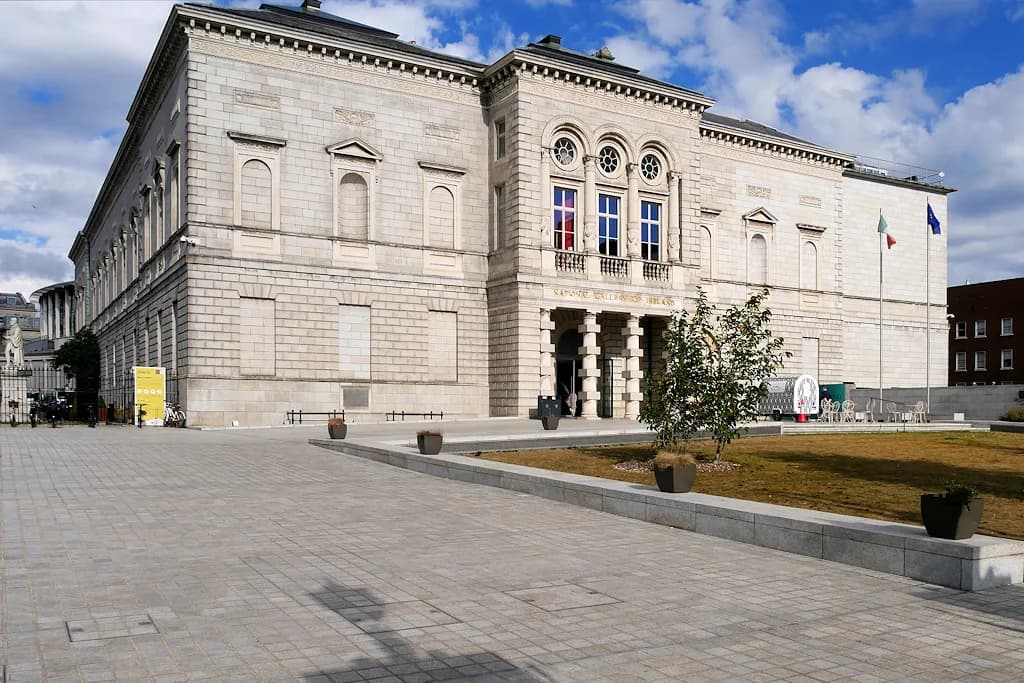
The name gained currency after an exhibition titled The Irish Impressionists: Irish Artists in France and Belgium, 1850–1914, shown at the National Gallery of Ireland in 1984. Art historian Julian Campbell grouped these painters together for it, and the label stuck even though no such movement had ever existed.
That origin matters when you read about these painters. Calling them Impressionists describes their training and working method rather than an allegiance; several of them painted in styles that extend well beyond Impressionism. For a wider view of the field, the Irish artists overview covers painters these shows often sit beside.
Why They Left: The Continental Circuit
Dublin had an academy and a school of art, but the ideas reshaping painting were being worked out abroad. Ambitious students headed for the Antwerp academy, or for open Paris studios such as the Académie Julian, then spent summers at artists' colonies in the French countryside.
The colonies at Barbizon, Grez-sur-Loing, Pont-Aven and Concarneau were cheap, crowded with other painters, and organised around one idea: paint what is in front of you, at the hour you see it. That habit, more than any shared palette, links the group. The European landscapes these painters absorbed are a useful companion to the Irish landscape paintings tradition they brought the technique back to.
Walter Osborne, the Test Case
Osborne studied at the Antwerp academy under Charles Verlat from 1881, then spent a year in Brittany at Dinan, Pont-Aven and Quimperlé. Back in Dublin he turned that training on markets, quays and parks, painting the ordinary people he found there in loosened brushwork and dappled light.
He fits the label neatly and stretches it at the same time. The National Gallery of Ireland notes that Osborne positioned himself on Aston Quay, on the south bank of the Liffey, to paint his view of the river, and that some contemporaries called him the Irish Impressionist.
His documentary eye put working-class Dublin and rural Ireland on canvas at a time when such subjects were not the obvious material for polished exhibition pictures. He died of pneumonia in 1903, aged forty-three.
Reading In a Dublin Park, Light and Shade
In a Dublin Park, Light and Shade, painted around 1895, is the picture to begin with if you want to see the method at work. It shows two old men, a young mother and a small boy sharing a park bench, and their dress and postures carry the social reading: ragged clothes, a smarter cape and bowler hat, a bowed head.
Look for dappled light falling through leaves, brushwork broken into short separate strokes, and figures caught mid-moment rather than posed. Those are the practical signs that distinguish an outdoor painting from a studio composition, and they are the cues to watch for across the whole group.
Two Routes Into Open-Air Light: Hone and Lavery
Nathaniel Hone the Younger went earliest and stayed longest. Trained first as an engineer, he moved to France in the 1850s, joined followers of Corot at Barbizon and spent some seventeen years there learning to handle colour, texture and tone. He later settled at Malahide, north of Dublin, and painted its fields, cattle and sea.
John Lavery took a different route. Born in Belfast and trained in Glasgow, he reached Paris in the early 1880s and spent the summers of 1883 and 1884 at Grez-sur-Loing, painting directly from nature on the river bank. He became one of the most successful portraitists of his age.
Roderic O'Conor and the Pont-Aven Crossing
O'Conor followed the same route to Antwerp and Paris but pushed further in style, settling in Brittany and developing pictures built from thick parallel stripes of strong colour. Strictly he belongs among the Post-Impressionists, which is exactly why he is hard to leave out of the Irish story.
The Gallery describes him as Ireland's first modernist painter and notes that he studied at the Metropolitan School of Art and the Royal Hibernian Academy in Dublin before travelling to France in the late 1880s, where he exhibited at the Salon des Indépendants. In Brittany he became friends with Paul Gauguin at the School of Pont-Aven. His portrait of a young Breton woman in traditional dress returns the gaze directly, though the warmer light and detailed handling of her face are his own.
Women Painters and the Barriers That Shaped Them
Women could take the Continental route, but less easily. Sarah Purser studied at the Académie Julian in Paris at the end of the 1870s, and her Parisian handling later fed into her work as one of the great organisers of Irish art.
The structural reason is documented: women were not admitted to the Royal Hibernian Academy schools until the 1890s. Painter Sarah Webb, born in Northern Ireland and working in Dublin, exhibited at the RHA from 1873 and went to Paris in 1880 to study under Robert-Fleury, later visiting Brittany regularly.
Mildred Anne Butler stayed closer to home, painting the gardens and animals of her family place at Kilmurry in County Kilkenny with a comparable lightness in watercolour. Set the two approaches side by side and you see how training abroad shaped some careers while domestic subjects shaped others.
How to Look at the Pictures
Start with shadows. In this work they tend to carry colour rather than plain grey, and edges soften where the light falls. Figures are usually caught in the middle of something, not arranged for the viewer.
Then notice what has not dissolved. Most of these painters trained in academic drawing first and never quite let it go, so the Irish version keeps a firmer hold on its subject than French Impressionism's dissolving light. That tension between trained drawing and rapid outdoor observation is the thing to test on each canvas.
Seeing Them in Dublin
The National Gallery of Ireland publishes a self-guided Through a Lens tour of Irish art that selects works across its numbered rooms, from Room 1 through Rooms 14 to 17, 20 and 21 to the Millennium Wing. It is a starting selection, not the full hang, so treat the room list as a route rather than an inventory.
The same tour continues into later modernism, which helps you see what came after. Mainie Jellett studied in Paris with André Lhote and worked a version of cubism by rotating and translating shapes; her Dublin showing in 1923 drew hostile notices. Evie Hone worked in painting and stained glass, producing more than 150 glass pieces, and drew on cubism as well as early Italian painting and medieval Irish carvings.
Mary Swanzy championed modernism in Ireland after studying in Dublin, Versailles and Freiburg, and exhibited in Paris alongside artists such as Picasso and Braque. Jack B. Yeats, whose expressionist brushwork closes the loop back to colour and emotion, is treated in more detail in the jack b yeats guide.
Beyond the national collection, the island's publicly accessible art museums hold regional collections worth planning around. Check the Gallery's own site for current opening arrangements before you travel, since display and access details change.
Where the Label Stops
Jellett, Hone, Swanzy and Yeats hang near the Impressionist-era works but belong to later modernism, and blurring the periods makes both harder to read. Use the earlier rooms to learn the outdoor method, then watch how the next generation abandoned subject-holding drawing for geometric form and expressive colour.
Paul Henry sits usefully between the camps: the Gallery records his Paris training at the Académie Julian and Whistler's Académie Carmen, his time on Achill Island from 1912 to 1919, and the 1920s reproduction of his landscapes as tourism posters. His career shows how open-air habits fed into images that became iconic of Ireland itself; the paul henry artist page follows that thread further.
Plan Your Visit
Treat Irish Impressionism as a working label and the National Gallery's tour as your evidence base: one route, numbered rooms, and a clear shift from outdoor observation to later modernism. Read the wall text against the brushwork and the label starts to make sense.
Before setting out, confirm the Gallery's opening arrangements on its own website rather than relying on secondary listings, because access details are the one thing here that genuinely changes.
Explore more Ireland guides
Frequently Asked Questions
What is meant by Irish Impressionist painters?
It describes a generation of Irish painters, roughly active between the mid-nineteenth century and the First World War, who trained in Belgium and France, painted outdoors in changing light, and applied that method to Irish and Continental subjects. The term is a later label rather than the name the painters gave themselves.
Was there an Irish Impressionist movement?
No. There was no manifesto, no founding group exhibition and no shared exhibiting society. The name gained currency after Julian Campbell's 1984 exhibition at the National Gallery of Ireland grouped these painters together, and it has been used loosely ever since.
Where did Irish Impressionist painters train?
Common routes ran through the Antwerp academy, open Paris studios such as the Académie Julian, and summer colonies at Barbizon, Grez-sur-Loing, Pont-Aven and Concarneau. Individual painters differed: Hone spent years at Barbizon, Lavery summered at Grez-sur-Loing, and O'Conor settled in Brittany.
Which Irish painters are usually grouped as Impressionists?
Walter Osborne, Nathaniel Hone the Younger, John Lavery, Sarah Purser and Roderic O'Conor are the names most often attached, with Mildred Anne Butler and Sarah Webb discussed alongside them. O'Conor is better described as a Post-Impressionist, which shows how elastic the grouping is.
Where can I see Irish Impressionist paintings in Dublin?
The National Gallery of Ireland publishes a self-guided Through a Lens tour of Irish art that selects works across numbered rooms from Room 1 to the Millennium Wing. It is a curated starting point rather than the whole collection, so check the Gallery's site for current opening arrangements.
How did women painters enter the story?
Women were excluded from the Royal Hibernian Academy schools until the 1890s, so many trained in Paris instead. Sarah Purser studied at the Académie Julian in the late 1870s, Sarah Webb worked under Robert-Fleury from 1880, and Mildred Anne Butler painted her family home at Kilmurry in County Kilkenny.
How can I tell an Impressionist painting from a later modernist one?
Look for coloured shadows, softened edges and figures caught mid-action, all signs of outdoor observation. Later modernists such as Jellett and Swanzy break form into geometric shapes or push colour toward expression, abandoning the firmer hold on subject that marks the earlier group.
Sources
You might also like



Continue reading
More guides you'll find useful





