
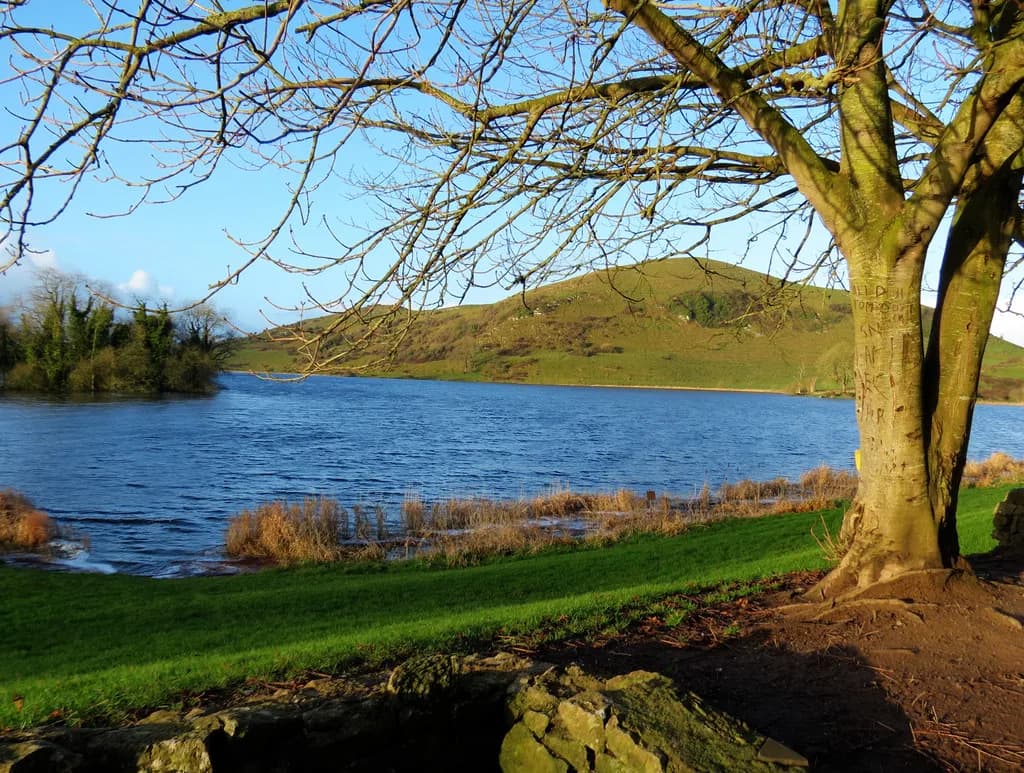
Lough Gur: A Visitor Guide to the Lakeside Monuments
Lough Gur in County Limerick is a lakeside archaeological landscape of stone circles, tombs and ring forts, with a Visitor Centre exhibition and shoreline walk.
On this page
Lough Gur is a lakeside archaeological landscape in County Limerick, with monuments scattered around the shore and a Visitor Centre and Lakeshore Park serving the area, rather than one enclosed attraction you tour through on a single ticket. Limerick City and County Council describes a place of stone circles, megalithic tombs, crannogs, ring forts, castles, standing stones and burial mounds, so the honest way to plan a visit is to decide how much time you want outdoors and how much you want indoors.
That framing changes what you pack into a morning. You are reading a wider landscape rather than following a single corridor through one building, and the centre exists to explain what the fields and shoreline hold. It also sits among Ireland's other megalithic places, so it works well as one chapter in a longer look at Ancient Sites in Ireland rather than a stand-alone stop.
What Survives Around the Lake
The council's inventory is the most useful checklist for a walk: stone circle, megalithic tombs, crannogs, ring forts, castles, standing stones and burial mounds all appear in its description of the immediate area. That variety matters because it lets you read different kinds of monument in one outing — a ceremonial circle, burial structures, defended enclosures and later castle ruins — instead of seeing a single type repeated.
The council's list mixes monument types that are easy to walk past because they are low and grassy rather than standing proud. Knowing the terms — crannog, ring fort, wedge tomb, standing stone — in advance stops you overlooking the outlines that are the actual archaeology. The same applies to tombs and standing stones, which reward a slow look rather than a quick photograph. If you want to compare forms before you arrive, stone circles ireland sets out how these monuments differ across the country.
Treat the surrounding farmland with care. The operator's own self-guided framing names the lakeshore, Grange Stone Circle and the Visitor Centre as highlights, and that is the safe basis for planning; unmarked monuments and private ground are a different matter and should not be assumed open.
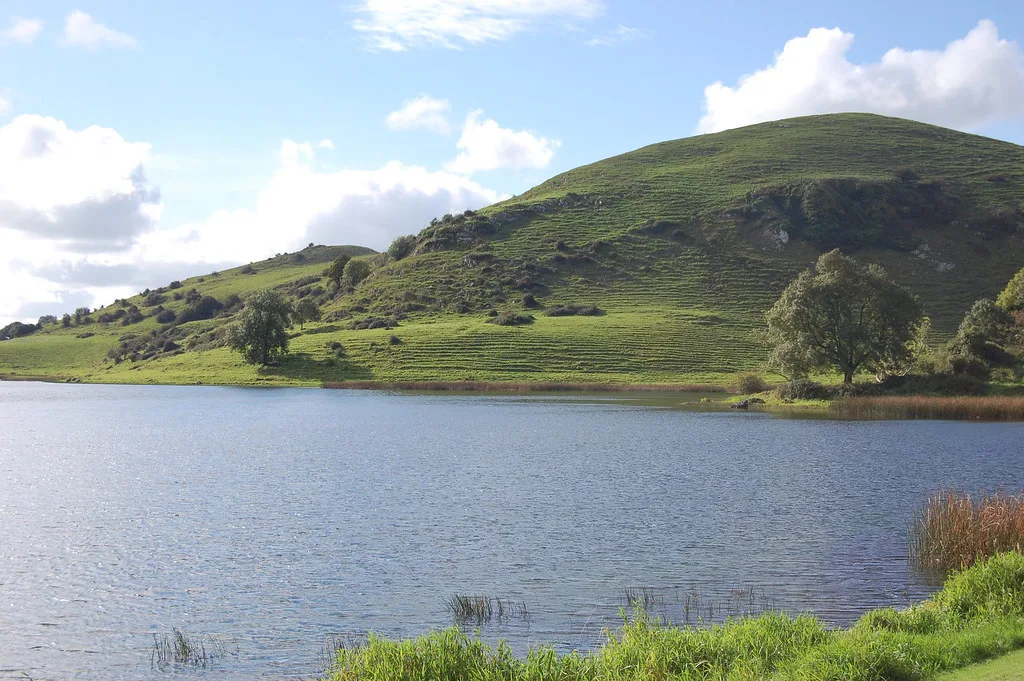
Deep Time: Reading the Occupation Sequence
Physical evidence of occupation from the Neolithic, Bronze Age, Iron Age, Early Christian, Medieval, Early Modern and Modern eras has been found in the immediate vicinity, according to the council. That sequence is the single most useful idea to carry around the lake, because it means the landscape was lived in continuously across thousands of years rather than built once and abandoned.
The council also notes that the area was at one point home to the largest concentration of Giant Irish Deer in Europe, a claim worth repeating as the council's rather than as independently verified fact. For context on the earliest farming communities behind the megaliths, Neolithic Ireland explains the period in plain terms.
Rather than chasing individual dates, use the sequence as a reading key. A low mound, an earthen bank and a ruined tower belong to different chapters of the same story, and the exhibition is where those chapters are put in order for you.
Grange Stone Circle
Grange Stone Circle is the headline monument. The council describes Lough Gur as home to what it calls Ireland's largest and oldest stone circle, an attribution to the local authority rather than an independent verdict. The folklore source adds the traditional name Lios na Grainsi and other storybook details; read those as reported tradition, not as your own measurements.
The operator lists Grange Stone Circle among the self-guided highlights alongside the lake shore and the Visitor Centre, which is the clearest signal that it is part of a normal visit rather than a special add-on. Give it time on foot: a circle of this size reads differently when you walk its full circumference instead of viewing it from the entrance.
For scale comparisons, drombeg stone circle in County Cork is a useful contrast, and standing stones ireland covers the single-stone monuments that often sit near circles like this one.
The Visitor Centre Exhibition
The centre's exhibition is where the landscape gets its explanation. The council says it uses interactive multimedia displays to bring more than 6,000 years of archaeology and history to life, taking the visitor from the Mesolithic era through to the 19th century, with trained guides on hand to answer questions. For anyone who has just walked past low earthworks, that narrative is the difference between seeing grass and seeing a settlement.
The exhibition is presented as suitable for all ages, which makes it a sensible anchor for a mixed group where not everyone will walk the same distance. The operator also advertises guided tours and a self-guided exhibition option, but those pages should be checked directly for current arrangements.
Compare it with other monument-and-interpretation pairings if you are building a route: the Céide Fields in County Mayo pairs a Neolithic landscape with a visitor centre in a similar model of outdoor remains plus indoor explanation. The same idea of spreading a city's collections and sites across a museum-going day is set out in our guide to Museums in Limerick: A Guide to the City's Core Collections.
Walking the Lakeshore Park
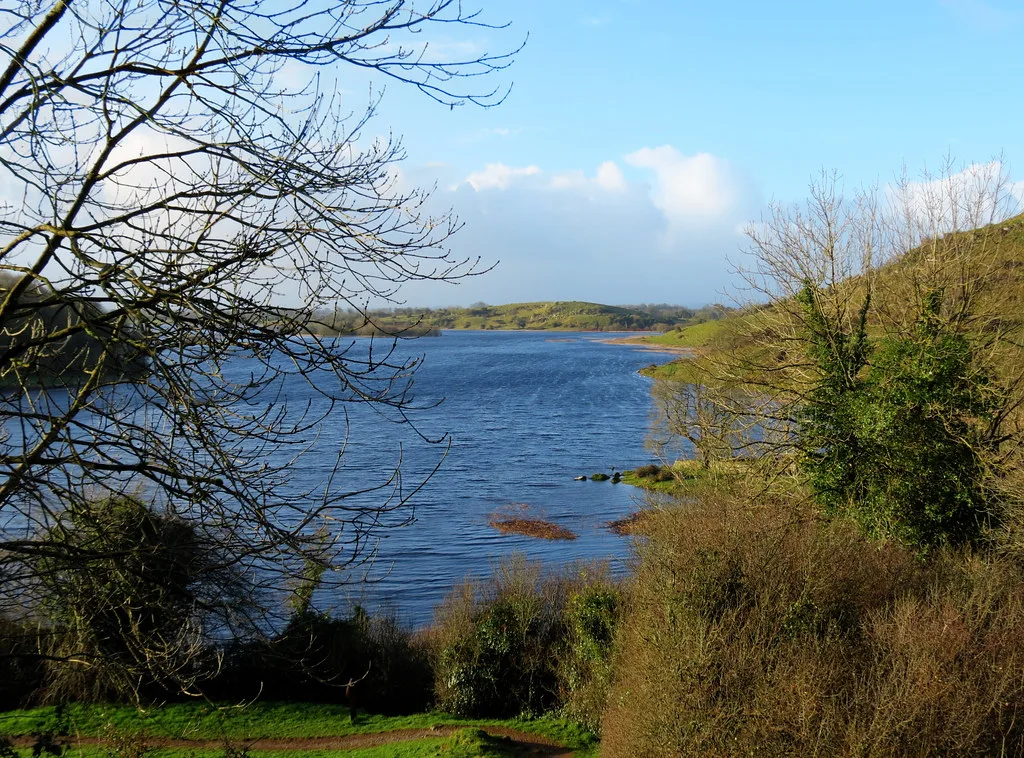
The operator frames a visit as something you do at your own pace, wandering the surroundings and stopping where you like, with the shore, the stone circle and the centre as the named points. That suits travellers who prefer to set their own rhythm rather than join a fixed group.
One dated note is worth knowing because it is easy to misread: the council records that a Lakeshore Park kiosk opened in September 2020. That is a historical fact about the park's development, not a promise that any kiosk service operates today, so plan your own refreshments rather than relying on it.
The lake sits between Herbertstown and Bruff, according to the folklore source, which is enough to place it on a map before you set out. Nearby, Hill of Tara offers another landscape-scale royal site where earthworks rather than standing buildings carry the story.
The Trade-Off: Walk Only, Centre Only or Both
A shore walk alone gives you the monuments in their setting but leaves the chronology to guesswork; the centre alone gives you the narrative but not the sense of scale you get standing beside the circle. Pairing the two is the version most visitors will find satisfying, and it is also the most weather-proof plan, because the indoor half still works if the lake turns grey.
If time is tight, do Grange Stone Circle and the exhibition and leave the longer shoreline for another trip. If you have a full day, walk first and visit the centre afterwards, when the displays answer questions you have actually formed outdoors.
Legend Around the Lake
Lough Gur carries a dense layer of tradition that should be labelled as such. The folklore source recounts stories of Áine associated with Knockadoon and a seat on the hill, a drowned city said to lie beneath the water, and the Earl of Desmond doomed to ride around the lake; none of this is established history, and it is best enjoyed as legend attached to real places.
The same source tells how a Bronze Age shield was said to have been recovered from the lake in 1872. Whether or not the tale is accurate in every detail, it belongs to tradition rather than to an excavation record you can verify on site. Treat supposed entrances to the otherworld, such as the one described on Knockfennel, as storytelling rather than routes.
Similar layers of story sit on other monuments, from Queen Maeve's Cairn at Knocknarea to the cairns in Ireland more broadly, and knowing that helps you separate folklore from archaeology wherever you go.
Before You Go
The operator's site carries sections on opening times and on guided and self-guided tours, and those are the pages to check directly before travelling, since timings change with season. Ask specifically whether you want a guided walk or the self-guided exhibition, because they are different experiences rather than one ticket.
Keep to the routes the operator describes — the lakeshore, Grange Stone Circle and the centre — and do not extend a walk onto private farmland or unmarked monuments. Courteous, contained visits are what keep a working landscape open to the rest of us.
For route planning across a longer trip, an ancient ireland map helps you group Lough Gur with other sites rather than backtracking.
Where Lough Gur Fits
Lough Gur rewards travellers who arrive expecting a landscape rather than an attraction. The stone circle, the tombs and the ring forts are the reason to come; the exhibition is what turns them into a story you can follow.
Set it alongside other megalithic places to see how Irish prehistory repeats its forms in different terrain. Dún Aonghasa on the Aran Islands and the Creevykeel court tomb in County Sligo each show a different response to stone, and the cairns in Ireland page covers the wider mound-building tradition that Lough Gur's burial mounds belong to.
Explore more Ireland guides
Frequently Asked Questions
Is Lough Gur a single site or a landscape of monuments?
It is a landscape. Limerick City and County Council describes stone circles, megalithic tombs, crannogs, ring forts, castles, standing stones and burial mounds spread around the lake, with a Visitor Centre and Lakeshore Park rather than one enclosed attraction. Plan on moving between points rather than touring a single building, and stay within the routes the operator describes.
What can you see at Lough Gur without entering the Visitor Centre?
The outdoor landscape is the main draw: the lakeshore, the monument types listed by the council and Grange Stone Circle, which the operator names among the self-guided highlights. Do not assume unmarked monuments or private farmland are open, and treat low earthworks as archaeology to observe rather than ground to cross.
What does the Lough Gur Visitor Centre exhibition cover?
The council says the exhibition uses interactive multimedia to present more than 6,000 years of archaeology and history, running from the Mesolithic era to the 19th century, with trained guides available for questions. It is described as suitable for all ages, which makes it a practical anchor for a mixed group.
How long does a walk around Lough Gur take?
No reliable timing is published for the shoreline walk, so decide by how many stops you want rather than by a fixed figure. A short outing can combine Grange Stone Circle with the exhibition; a longer one adds the lakeshore. Check opening times and tour arrangements with the operator before you set a schedule.
Is the Áine story at Lough Gur history or legend?
It is legend. Tales of Áine at Knockadoon, a drowned city beneath the lake and the Earl of Desmond's rides belong to folklore attached to real places, as does the story of a Bronze Age shield recovered from the water in 1872. Enjoy them as tradition, and treat supposed otherworld entrances as storytelling rather than routes.
Do you need to book a guided tour at Lough Gur?
The operator advertises both guided tours and a self-guided exhibition option, but the booking terms are not published in a form you can rely on second-hand. Check the operator's own site for current arrangements and ask which option suits you before travelling, since the two give different experiences.
Sources
You might also like



Continue reading
More guides you'll find useful


