
Standing Stones in Ireland: What They Are and Where to See Them
Standing stones in Ireland cover circles, portal tombs and lone monoliths. See how Drombeg works on the ground and what to expect at unguided sites.
On this page
Standing stones in Ireland is a loose label, and it covers several different kinds of monument: stone circles, portal tombs and lone monoliths. Picking a site by type rather than by the phrase will tell you far more about what you will actually stand in front of. Drombeg Stone Circle in County Cork works well as a worked example because the state guardian and the national tourism authority both describe it in detail.
This guide sorts the main monument types, then walks through Drombeg stone by stone, from its seventeen original uprights to the hut site and cooking place beside it. It also separates solstice association from precise astronomy and treats local names as tradition rather than function. Named sites elsewhere on the island are included only where a published source describes them, and the Hill of Tara appears as a different kind of place: a ritual landscape with a single celebrated stone. For broader context across monument types, see our guide to Ancient Sites in Ireland, and for a focused landscape visit, our guide to Hill of Tara.
What the Term Standing Stones Actually Covers
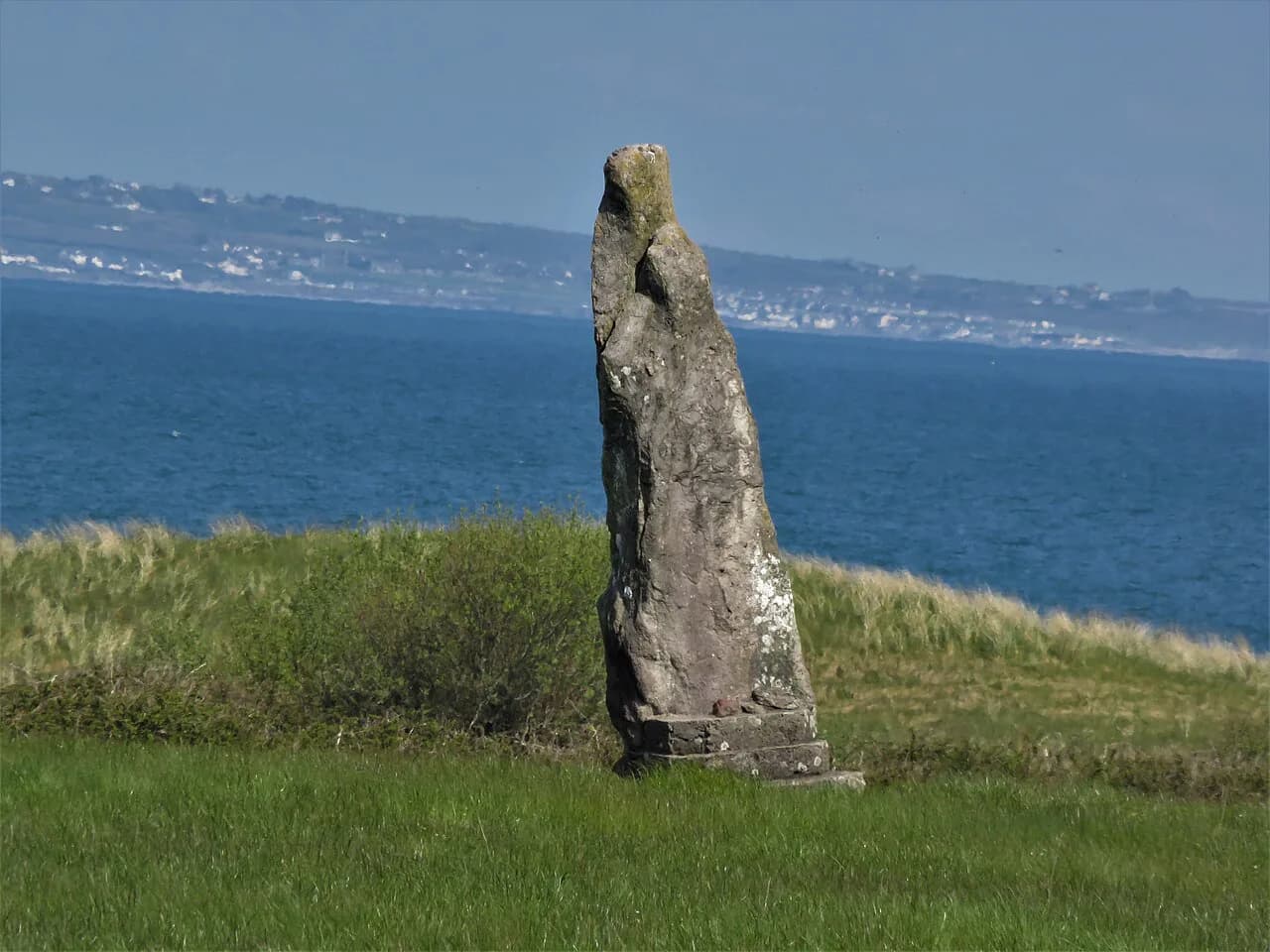
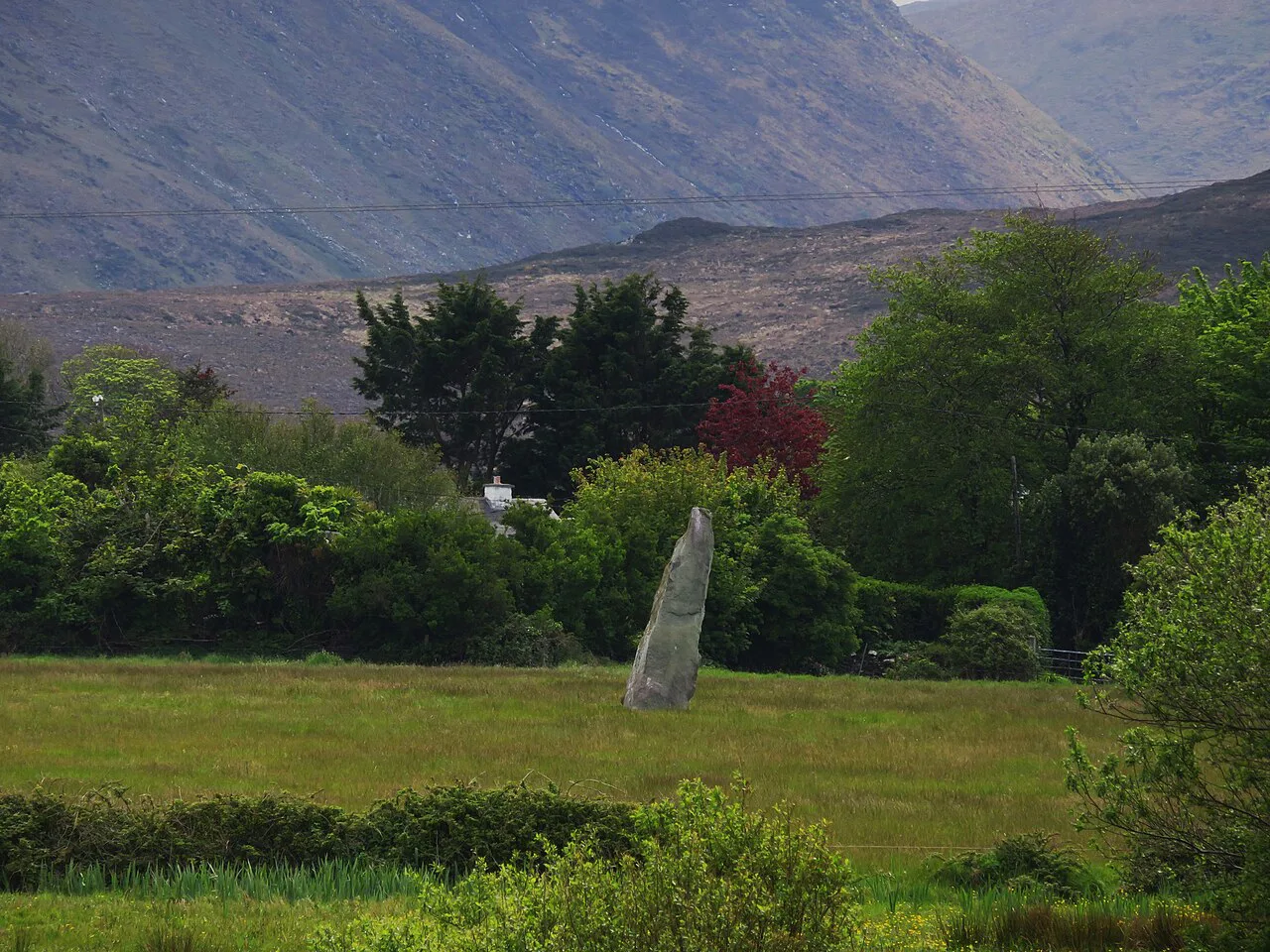
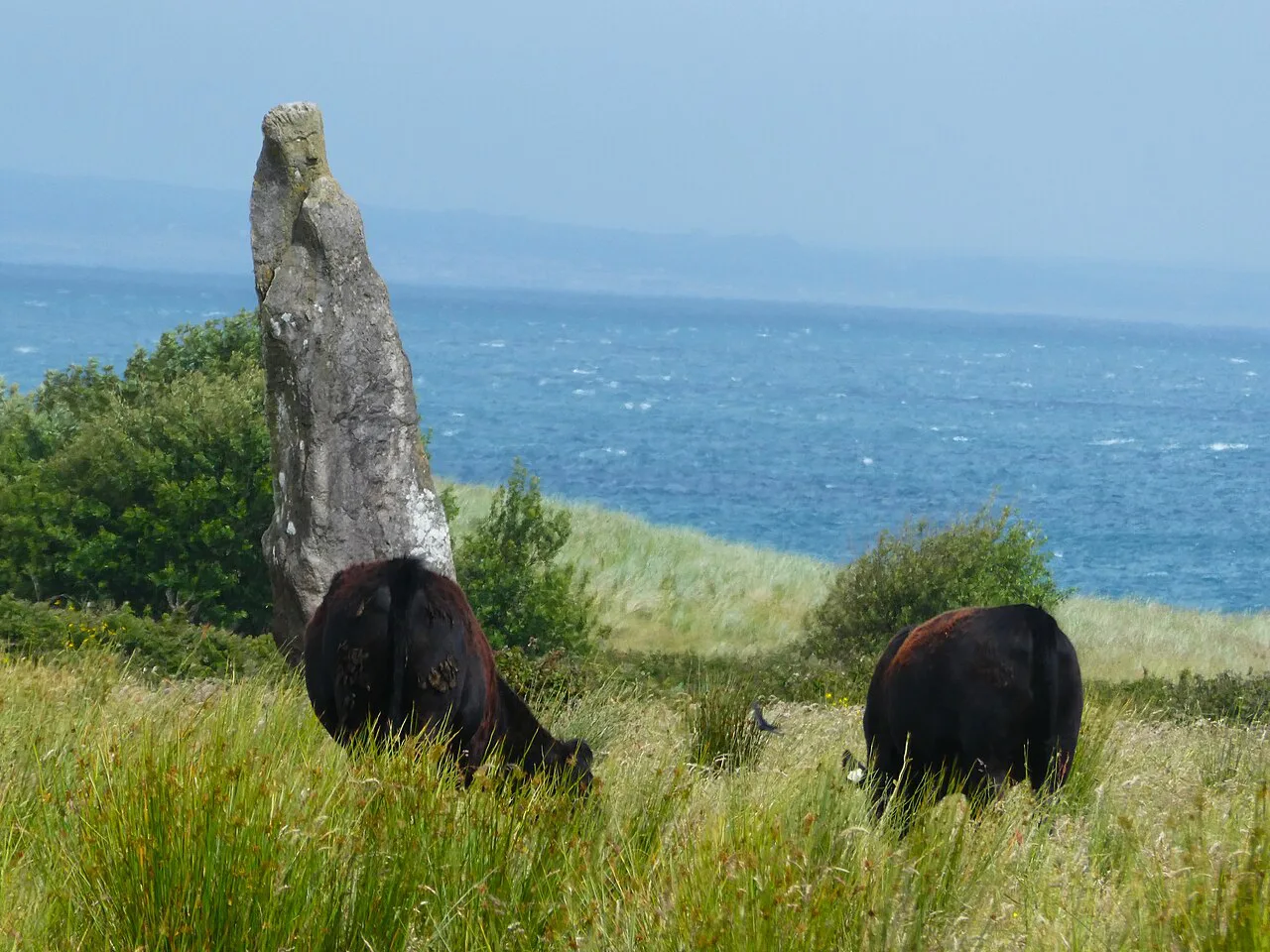
A stone circle is a ring of uprights, usually set in a levelled area and often linked to burial or ceremonial use. A portal tomb is a chamber formed by two tall entrance stones topped by a massive capstone, sometimes called a dolmen. A lone standing stone is a single monolith, and it may mark a grave, a boundary or a route, though the purpose of any individual stone is rarely certain. Deciding which of these you want to see is the first practical step.
Tourism Ireland's overview of prehistoric sites illustrates the range with named examples, including Drombeg in County Cork and Ballynoe in County Down, as well as Beltany in Donegal, Beaghmore in Tyrone and Carrowmore in Sligo. Several of these sit in Northern Ireland, so they are not managed by the Office of Public Works and should not be treated as state-guarded sites south of the border. Treat any published list as a set of examples to check individually, not a ranking to follow.
Drombeg Stone Circle: The Case Study
Drombeg is a National Monument in state guardianship, managed through the Office of Public Works and listed by Heritage Ireland. It stands less than three kilometres east of Glandore in County Cork, and Fáilte Ireland describes the setting as a rocky terrace overlooking the sea about a kilometre away. That coastal position is part of why the site reads so clearly on a short visit: you see the ring against open ground rather than inside a town.
The circle originally had seventeen upright stones, and the guardian's description notes a north-east to south-west alignment. Fáilte Ireland adds the visitor detail that the midpoint of one stone lines up with the winter solstice sunset seen through a notch in distant hills. Locals know the place as the Druid's Altar, a traditional name that says more about later storytelling than about what happened there.
Reading the Circle on the Ground
Start with the stones themselves rather than with the information you have read beforehand. Two large portal stones frame the entrance, and the axial stone at the back is the largest in the ring, carrying two shallow cup-marks, one with a carved oval motif. Those carvings are small and easy to miss, so look at the flat face of the axial stone before you walk the full circuit.
Fáilte Ireland describes portal stones of roughly two metres in height, which gives a sense of scale before you arrive. The ring is compact enough to take in from a single position, and the surrounding terrace lets you see how the monument sits in the landscape. Walking the outside edge first, then the interior, is a simple way to notice the graded heights and the deliberate gap at the entrance.
What Excavation Found, and What It Does Not Say
Drombeg was excavated in 1957, and the guardian's account records five pits beneath the floor of the circle, with cremated human remains found among shale fragments and pieces of a fabric pot. Fáilte Ireland adds that the work continued into 1958 and that the burial was in a deliberately broken pot wrapped in thick cloth, accompanied by smashed sherds and sweepings from a pyre. These finds are firm evidence of burial at the circle; what they do not establish is any single episode of ritual or any named belief.
What the evidence cannot tell you is who officiated, what was said or which gods were addressed. It also does not convert the site into a single short episode: the guardian notes that the complex has been in use from roughly 1124 to 794 BC and intermittently afterwards. Read the burial evidence as a firm finding about treatment of the dead, and keep any claim about belief clearly separate.
The Alignment Question
The alignment is real enough to be worth understanding, but it is not a precision instrument. Fáilte Ireland is explicit that the line from the stone to the winter solstice sunset is good but not perfectly precise, which is a more honest description than the dramatic versions often repeated. Interpret that as an association built into the design rather than a calibrated sighting device.
You do not need to visit on a solstice to appreciate this, and no published source promises that a solstice sunset will be visible on any given day. What you can do is note the axis of the circle while you are there and see how it relates to the ground around it. The value of the visit lies in the layout, the carvings and the burial evidence, all of which are present regardless of the date.
The Hut Site and the Fulacht Fiadh
Drombeg is more than the ring, and visitors who leave after the circle miss half the story. South-east of the stones is a multi-period hut site: excavation identified an initial C-shaped hut, then a stone hut, then a figure-of-eight stone hut reusing the earlier doorway, followed by a causeway to the cooking place. That sequence is the clearest evidence at Drombeg for sustained rather than one-off use.
The fulacht fiadh is a horseshoe-shaped cooking place with a U-shaped hearth, and the guardian reports radiocarbon results from roughly 109 to 349 AD and a second analysis of the cooking pit at roughly 368 to 608 AD. Fáilte Ireland explains the method: a flagged trough was filled with water and heated by dropping in red-hot stones. Its account of modern tests reports that more than seventy gallons could be kept boiling for almost three hours, which shows the scale of the operation without proving what was cooked.
Visiting an Unguided National Monument
Drombeg is listed as an unguided site, and Heritage Ireland asks visitors to take care and caution throughout the visit. That designation is the key planning fact: there is no guided tour to join and no published schedule to build a day around. Treat the ground as archaeological terrain rather than a path, and keep to the monument instead of climbing on stones.
The published pages do not set out opening hours, admission charges, parking or facilities for Drombeg, so check the current Heritage Ireland page before you travel rather than relying on an old listing. Sturdy footwear matters because the surface is uneven and exposed, and coastal weather can change quickly. A short visit covers the circle, hut site and cooking place, but allow time to read the stones slowly.
Other Named Sites, by Type
Beyond Drombeg, a few named monuments help you match a site type to your interests. Ballynoe in County Down is a large stone circle reached by an enclosed track of gorse and dry stone walls, and excavations there found a stone slab, a cist and cremated remains with Neolithic pottery. Beltany in Donegal is a circle of many stones around a central mound, and Beaghmore in Tyrone combines several circles, stone rows and cairns. All three are described by Tourism Ireland, and none should be assumed to be an Office of Public Works site. The Hill of Tara, in County Meath, is different again: an earthwork landscape rather than a ring. If your route runs through the south-west, our Museums in Cork: City and County Collections guide pairs well with a Drombeg visit for background on the county's archaeology.
For a different typology, Carrowmore in Sligo holds a dense collection of Neolithic tombs spread across open ground. It is not a stone circle in the Drombeg sense, and confusing the two leads to wrong expectations about what you will see. Compare the setting and the internal structure before choosing which one fits a short trip, and treat a published list as a set of examples to check individually rather than a ranking to follow.
The Hill of Tara: A Stone Inside a Landscape
The Hill of Tara is not a stone circle, and visiting it as one would miss the point. Heritage Ireland records a passage tomb from the late Stone Age and a site that rose to prominence in the Iron Age and early Christian period as the seat of the high kings, with halls and palaces now vanished and only earthworks remaining. The Lia Fáil, described as the great coronation stone and one of the legendary treasures of the Tuatha Dé Danann, stands on the monument known as An Forradh.
Keep the stone's reputation in its proper frame: the sources describe a coronation stone and a legendary treasure in tradition, not a documented record of individual ceremonies on that spot. For practical purposes the site itself is open throughout the year, which is distinct from the visitor centre. Most of the route is outdoors over uneven terrain, so weather-protective clothing and walking shoes are advised, and dogs are not allowed on tours or in the visitor centre except assistance dogs.
Tara and Drombeg reward different kinds of attention: one is earthworks and tradition across a broad hill, the other is a compact monument with excavation evidence you can read at the stones. If your time is limited, decide whether you want a landscape walk or a focused look at a single monument. Both are honest ways to see standing stones in Ireland.
Matching the Stone to the Visit
Choose by type first, then check the details of the specific site. Drombeg gives you a circle, carvings, burial evidence, a hut sequence and a fulacht fiadh in one place, all unguided and under state guardianship. Tara gives you a whole ritual landscape with a single celebrated stone. Ballynoe, Beltany, Beaghmore and Carrowmore add further variety across the island, each with its own terrain and setting.
Before travelling, confirm the current position on the official or tourism authority page for the site you have chosen, because unguided monuments and open landscapes can change in access terms without a posted schedule. Wear footwear for uneven ground, leave the stones untouched and allow enough time to look properly. The plain record held by the guardian bodies is usually more interesting than the folklore attached to a name.
For more heritage reading, see our guides to Dun Aonghasa, Creevykeel Court Tomb, and Ceide Fields.
Explore more Ireland guides
Frequently Asked Questions
What is the difference between a stone circle and a standing stone in Ireland?
A stone circle is a ring of upright stones, often linked to burial or ceremonial use. A standing stone is a single monolith, and it may have served as a grave marker, boundary or route marker, though the purpose of an individual stone is rarely certain. Portal tombs are a third type, with two tall entrance stones and a heavy capstone.
What will I actually see at Drombeg Stone Circle?
You will see a ring that originally had seventeen upright stones, with two large portal stones at the entrance and a bigger axial stone bearing two shallow cup-marks. South-east of the circle is a multi-period hut site, with a causeway leading on to the horseshoe-shaped fulacht fiadh, its U-shaped hearth and a flagged trough described in the archaeological account. All three elements are worth the walk.
Is the Drombeg solstice alignment exact?
No. The alignment from the circle to the winter solstice sunset is described as good but not perfectly precise, so it should be understood as an association built into the design rather than a calibrated astronomical instrument. The carvings and burial evidence are present at any time of year.
Can you visit Drombeg without a guide?
Yes. It is listed as an unguided site, so the visit is self-directed and the guardian asks visitors to take care and caution. Check the current Heritage Ireland page before travelling, since no published schedule applies and the ground is uneven and exposed to coastal weather.
Where does the Lia Fáil stand, and is it a stone circle?
It is not a stone circle. The Lia Fáil stands on the monument known as An Forradh on the Hill of Tara, where it is described in tradition as a coronation stone and one of the legendary treasures of the Tuatha Dé Danann. The hill is an open site with earthworks rather than a ring of uprights.
Which other standing stone sites are named in published sources?
Tourism Ireland names several, including Ballynoe in County Down, Beltany in Donegal, Beaghmore in Tyrone and Carrowmore in Sligo. They differ in type and setting, and several are in Northern Ireland, so they should not be assumed to be Office of Public Works sites. Check each individually before planning.
Sources
You might also like



Continue reading
More guides you'll find useful





