
Sarah Purser: Her Art, Paris Training and Irish Legacy
Sarah Purser trained in Paris, painted intimate portraits and founded the An Túr Gloine stained-glass co-operative in 1903. Here is where to trace her career.
On this page
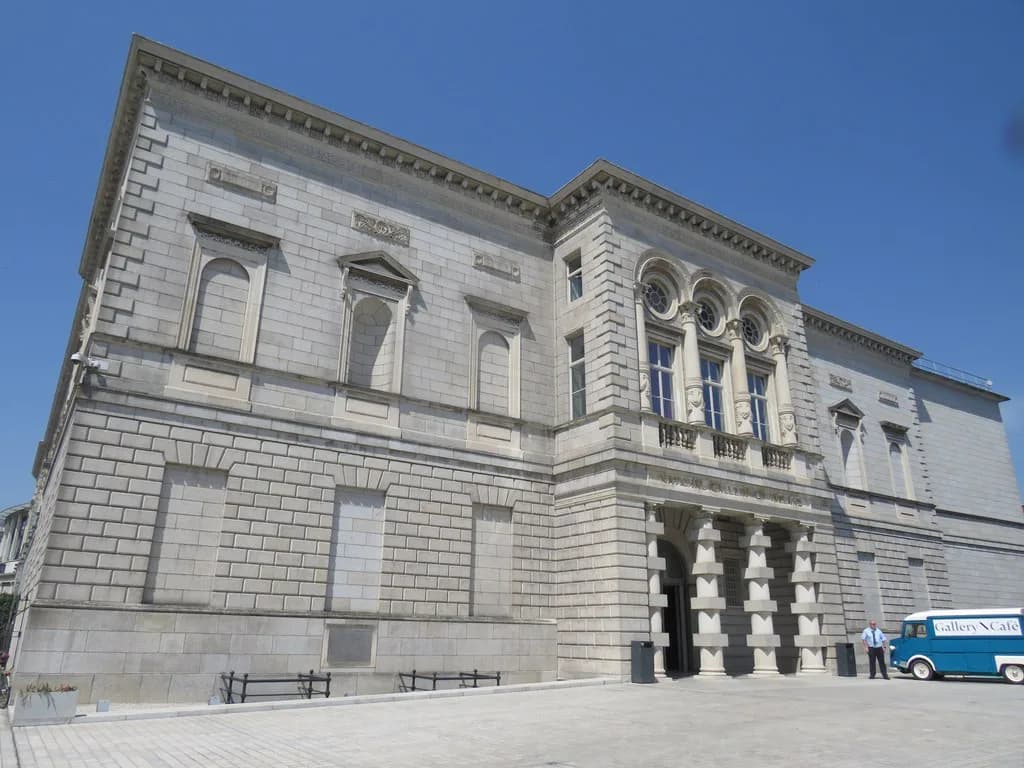
Sarah Purser was a painter, an arts organiser and the founder of An Túr Gloine, the stained-glass co-operative she established in Dublin in 1903. She trained partly in Paris, sustained a portrait practice across a long career, and helped shape the institutions that support Irish art. The National Gallery of Ireland is the public collection that has most directly interpreted her career, including through a dedicated exhibition that has since closed.
This guide separates two achievements that are often muddled: what Purser painted and what she organised. It also keeps the record honest about access, because a museum holding or a past exhibition does not guarantee that a specific work is hanging today.
Who Was Sarah Purser?
The National Gallery describes Purser as a woman of several firsts. It records that she was the first woman member elected to the Royal Hibernian Academy, in 1924, and a founding member of the Friends of the National Collections of Ireland. She also served on the board of the National Gallery of Ireland itself, which places her among the people who shaped the institution rather than only among those whose work hangs inside it.
Born in 1848, she belongs to a generation of Irish painters who looked to continental Europe at a time when opportunities at home were narrower. That combination, a working portraitist with an appetite for organisation, is the key to reading her career: she produced pictures and also built the structures that supported other artists.
Early Training: Dublin, Then Paris
Purser began formal art training at the Metropolitan School of Art in Dublin, according to the Gallery. She then studied at the Académie Julian in Paris from 1878, one of the few art schools that admitted women at the time. That detail matters for visitors encountering her work: the choice of Paris was not a casual finishing school but access to training that was scarce for women elsewhere.
Her Paris enrolment from 1878 fits a wider pattern among Irish painters of the period, several of whom built careers on European study before returning to exhibit and teach in Ireland. It is worth comparing her path with that of her near-contemporaries when tracing how Irish painting absorbed French methods without simply imitating them.
The Paris Years and Their Influence
The Gallery records that Purser travelled to Paris every year between 1878 and 1889, a formative decade for her style. During those years she met and learned from artists including Degas, Manet, Whistler and Bastien-Lepage. Those names are not decoration: the Gallery points to the Impressionism of Degas, the tonal qualities of Whistler and the intense realism of Bastien-Lepage as visible in her work.
For a visitor, this is the useful test when looking at her portraits. Rather than searching for a single French signature, watch for tonality and restraint in the palette and a close, unsentimental attention to the sitter. That attention is what the Gallery treats as the core of her portraiture.
Portraits and Private Worlds
Purser was a highly accomplished portraitist, and the Gallery notes that her pictures capture character without the sentimentality then often attributed to women's art. Her interest in philosophy fed pensive, introspective portraits in which the sitter's thoughts seem to occupy the painting. This is the quality the exhibition title Private Worlds referred to.
Among the works discussed by the Gallery are Le Petit Déjeuner, a portrait of her lifelong friend Louise Breslau shown at a breakfast table and influenced by Degas, and Woman with a Fan, which reworks the 'la toilette' theme through a female gaze. Two portraits of Kathleen Behan are also singled out, including one completed when Purser was 87. These descriptions come from the Gallery's own account of the 2023–24 exhibition.
Portraits like these sit naturally beside other Irish painters of the period who worked from close observation rather than grand narrative. A reader following the thread through Dublin collections can set her intimate interiors against the broader tradition of Irish figure painting, and the National Gallery of Ireland: A Visitor's Guide to the Dublin Collection is a useful starting point for planning that route.
The Arts Organiser
Purser's organising work is as important as her painting. The Gallery records her election as the first woman member of the Royal Hibernian Academy in 1924, her founding membership of the Friends of the National Collections of Ireland and her seat on the National Gallery board. Each belongs to the Gallery's own account and should not be generalised into broader claims about other bodies.
This side of her career is easy to overlook in a gallery visit, where the wall label rewards looking rather than reading. It helps to remember that the rooms, acquisitions and training structures Irish artists used were partly the result of advocacy by people like Purser. Her name sits in the record as a builder of institutions, not only as an exhibitor.
An Túr Gloine and the Craft Revival
In 1903 Purser founded the stained-glass co-operative An Túr Gloine, the Tower of Glass, to improve standards in Irish glass work that was then largely imported and of poor quality. Its method was to revive traditional craft techniques. That founding date and purpose are established in Róisín Kennedy's research paper on Harry Clarke's Geneva Window, published through UCD.
The co-operative's first major project, the decoration of Loughrea Cathedral, was organised under the guidance of Edward Martyn, and the distinction between founder and project organiser is worth keeping straight. Kennedy also records that Purser and Martyn were involved in establishing a stained-glass course at the Dublin Metropolitan School of Art, which together gave Irish glass a training pipeline as well as a workshop.
Harry Clarke studied at the Dublin Metropolitan School of Art from 1904 to 1913 and, within a couple of years of finishing, came into direct competition with An Túr Gloine when decorating the Honan Chapel in Cork, for which he designed and made eleven of the nineteen windows between 1915 and 1917. That rivalry is a useful reminder that the revival was not a single workshop but a field of competing studios.
For travellers interested in the craft, the broader story of Irish glass rewards its own itinerary, because windows survive in churches and secular buildings across the country. None of the sources here establishes visitor access at An Túr Gloine's premises, Loughrea Cathedral or the Honan Chapel on particular terms, so confirm locally before planning a stop around any of them.
The 2023–24 Exhibition, Now Closed
Sarah Purser: Private Worlds opened at the National Gallery of Ireland on 21 October 2023 and ran in the Hugh Lane Room until 25 February 2024. The Gallery listed admission as free, curated by Donal Maguire and supported by ESB. It brought together fourteen paintings by Purser alongside a portrait of her by Louise Breslau, plus archival documents on her Paris friendships.
That exhibition is over, so it should not be used to plan a visit. Its value now is as documentation: the Gallery's published pages describe what was shown and how her practice was framed, including curator Donal Maguire's view that her genre scenes gave her a more personal aesthetic. Readers can use those descriptions to recognise the kind of work she made, then check what the Gallery currently has on view.
Visiting the National Gallery of Ireland
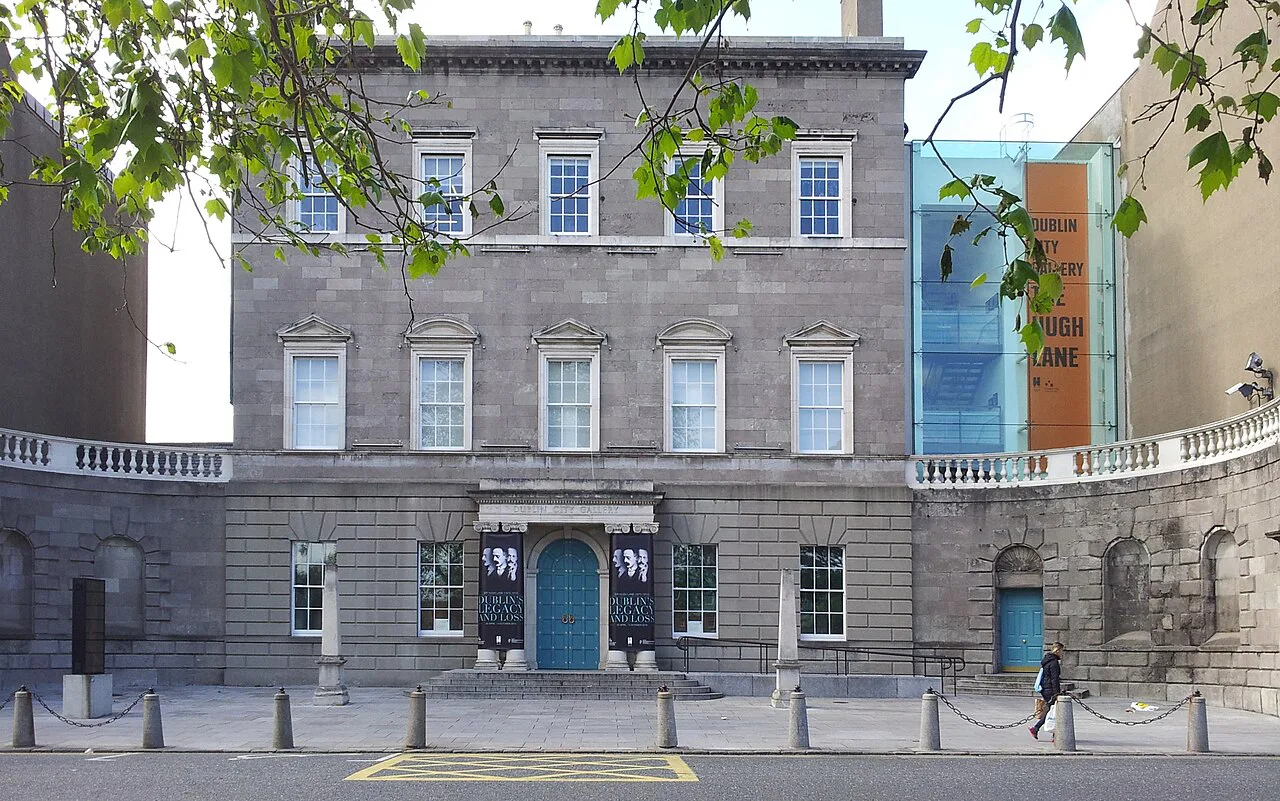
The Gallery's hours are Monday 11.00–17.30, Tuesday and Wednesday 9.15–17.30, Thursday 9.15–20.30, Friday and Saturday 9.15–17.30, and Sunday 11.00–17.30. It closes on 24–26 December and Good Friday, and opens 11.00–17.30 on 1 January. Admission to the permanent collection is free, while some temporary exhibitions carry a charge and are free for members.
Two timing rules catch visitors out. Entry to the galleries stops 15 minutes before closing, and the building, including temporary exhibitions, begins to close at 16.50 each day, or 19.50 on Thursdays, starting with the upper floors. A Thursday evening visit therefore works best if you arrive early enough to reach the upper rooms before they shut.
Closures can occur at short notice, including for industrial action, and the Gallery asks visitors to check its own channels before travelling. Confirm the day's arrangements on the Gallery's site, and treat any Purser work you hope to see as something to verify with the collection rather than assume.
Dublin's other public collections make a natural second stop for anyone following Irish painting of this period. A wider survey of the country's venues helps place the Gallery's holdings in context.
Reading Her Legacy Honestly
A museum that has held an exhibition or holds works by an artist does not promise that a particular painting is on display when you arrive. The Gallery remains the institution that has interpreted Purser's career in most detail, but visitors should separate that record from what is actually hanging. Ask at the information desk or check the collection online before building a trip around one picture.
The same caution applies to the glass sites. An Túr Gloine was a working co-operative, and its output is dispersed; a historic commission is not an invitation to enter a building. Where access is not documented, the honest approach is to contact the site directly rather than assume a welcome.
Seen this way, Purser's legacy is twofold: a body of intimate portraiture and a set of institutions and workshops that outlasted her. Following both threads gives a fuller picture than a checklist of paintings, and it makes a Dublin gallery visit more than a hunt for one name on a wall.
Plan Your Visit
The practical plan is simple: check the National Gallery's current hours and any exhibition charges before you go, and aim for a morning or early afternoon start so the pre-closing shutdown does not cut your visit short. If Purser's work is your main reason for travelling, confirm what is on view first.
Beyond the gallery, treat the stained-glass story as research rather than a fixed itinerary. An Túr Gloine's founding in 1903 and its Loughrea commission are well documented, but the sources here do not establish visitor access at the workshop or the churches, so verify with each site before making a journey. For related reading, see Mary Swanzy and Jack B. Yeats in Ireland.
Other artist guides on this site include Grace Henry, William Orpen and John Lavery, while Irish Stained Glass covers the wider craft tradition.
Explore more Ireland guides
Frequently Asked Questions
Who was Sarah Purser and what is she known for?
Purser was an Irish painter and arts organiser, born in 1848. She trained in Dublin and at the Académie Julian in Paris from 1878, built a portrait practice, and founded the An Túr Gloine stained-glass co-operative in 1903. The National Gallery, which records her 1924 election as the first woman member of the Royal Hibernian Academy, also counts her a founding member of the Friends of the National Collections of Ireland.
Where can I see Sarah Purser's work in Ireland?
The National Gallery of Ireland in Dublin is the public collection that has interpreted her career most directly, including with the closed exhibition Sarah Purser: Private Worlds. A past exhibition or a holding does not guarantee that a Purser painting is hanging when you visit, so check the Gallery's current displays before travelling and ask staff on arrival.
Is the Sarah Purser exhibition at the National Gallery still running?
No. Sarah Purser: Private Worlds ran in the Hugh Lane Room from 21 October 2023 to 25 February 2024 and has closed. The Gallery's published description of the show remains useful for understanding her portraits of friends and family and her Paris training, but it should not be used to plan a visit.
What was An Túr Gloine and why did Purser found it?
An Túr Gloine, the Tower of Glass, was a stained-glass co-operative founded by Purser in 1903 to raise standards in Irish glass work at a time when much of it was imported and of poor quality. It revived traditional craft methods; its first major project, decorating Loughrea Cathedral, was organised under Edward Martyn's guidance.
How did Paris shape Sarah Purser's painting?
Purser studied at the Académie Julian from 1878 and travelled to Paris every year between 1878 and 1889. She encountered Degas, Manet, Whistler and Bastien-Lepage, and the National Gallery links their Impressionism, tonal subtlety and realism to qualities visible in her portraits and scenes of domestic life.
Is the National Gallery of Ireland free to visit?
Admission to the permanent collection is free. Some temporary exhibitions carry a charge, although they are free for members. The Gallery begins closing at 16.50 daily and at 19.50 on Thursdays, entry to the galleries stops fifteen minutes before closing, and the building is closed on 24–26 December and Good Friday.
Sources
- Free exhibition of works by Irish artist and activist Sarah Purser at the National Gallery of Ireland | National Gallery of Ireland
- Sarah Purser: Private Worlds | National Gallery of Ireland
- https://www.ucd.ie/scholarcast/transcripts/Clarkes_Geneva_window.pdf
- Opening hours | National Gallery of Ireland
You might also like



Continue reading
More guides you'll find useful





